

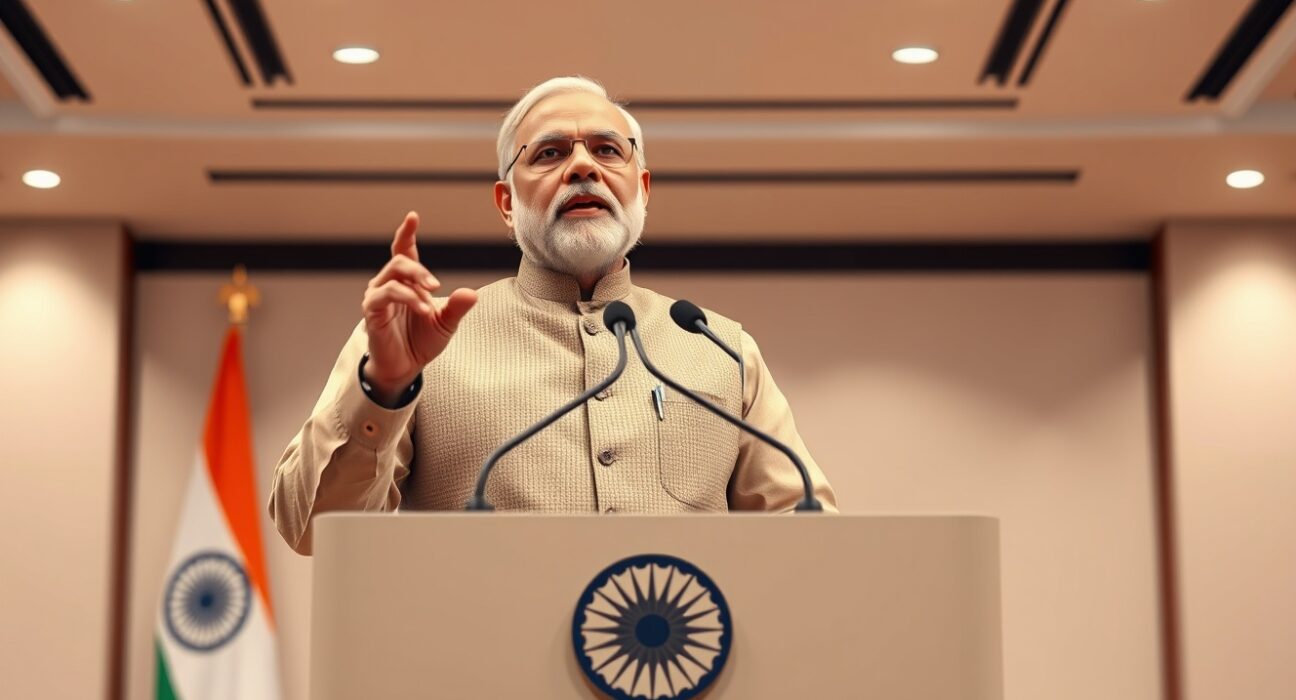
In an unexpected address to the nation, Indian Prime Minister Narendra Modi has called on citizens to voluntarily refrain from purchasing gold for the next 12 months. The appeal, delivered during a televised speech on economic self-reliance, is aimed at reducing India’s massive gold import bill and stabilizing the country’s current account deficit.
Background and Economic Context
India is the world’s second-largest consumer of gold, importing approximately 800 to 1,000 tonnes annually. Gold imports have historically strained the country’s foreign exchange reserves, contributing to a persistent trade deficit. In the fiscal year ending March 2025, gold imports surged to over $45 billion, exacerbating pressure on the rupee and widening the current account deficit.
The Prime Minister’s request is part of a broader campaign to promote domestic savings and reduce dependency on imported luxury commodities. He emphasized that even a temporary reduction in gold buying could save billions in foreign currency, which could instead be directed toward infrastructure and social welfare programs.
Market and Consumer Reaction
The announcement has triggered immediate reactions in domestic gold markets. Spot gold prices in India fell by as much as 2% in early trading, while jewellers reported a sharp drop in foot traffic. Analysts at the World Gold Council noted that while government appeals have influenced consumer behavior in the past, sustained behavioral change requires more than moral suasion.
“India’s cultural affinity for gold is deeply entrenched, especially during wedding seasons and festivals like Diwali and Akshaya Tritiya,” said Ramesh Kumar, a Mumbai-based bullion analyst. “A voluntary moratorium may have limited impact unless accompanied by fiscal incentives or disincentives.”
Policy Implications
The Modi government has previously used import duty hikes and mandatory hallmarking to curb gold imports. However, this is the first time a direct appeal has been made to the public. Economists suggest that if successful, the move could improve India’s trade balance by $10–12 billion over the year, strengthening the rupee and reducing inflationary pressures.
Critics argue that the request places an unfair burden on households, particularly in rural areas where gold is a primary store of wealth and a hedge against inflation. Others point out that without formal enforcement, compliance may be low among wealthier segments who view gold as a luxury investment.
Conclusion
Prime Minister Modi’s appeal marks a significant shift in India’s approach to managing gold imports, moving from fiscal measures to direct public persuasion. While the long-term impact remains uncertain, the move underscores the government’s determination to address structural trade imbalances. For now, the onus falls on Indian consumers to decide whether patriotism outweighs tradition in their financial decisions.
FAQs
Q1: Is the gold purchase ban legally enforceable?
No. The Prime Minister’s appeal is a voluntary request, not a legal ban. There are no penalties for purchasing gold during this period.
Q2: Why does India import so much gold?
India has a strong cultural and religious affinity for gold, used extensively in jewelry, weddings, and as a savings vehicle. Domestic production meets only a fraction of demand.
Q3: How does gold importing affect the Indian economy?
Large gold imports drain foreign exchange reserves, widen the current account deficit, and can weaken the rupee. Reducing imports helps stabilize the balance of payments.
Disclaimer: The information provided is not trading advice, Bitcoinworld.co.in holds no liability for any investments made based on the information provided on this page. We strongly recommend independent research and/or consultation with a qualified professional before making any investment decisions.
