

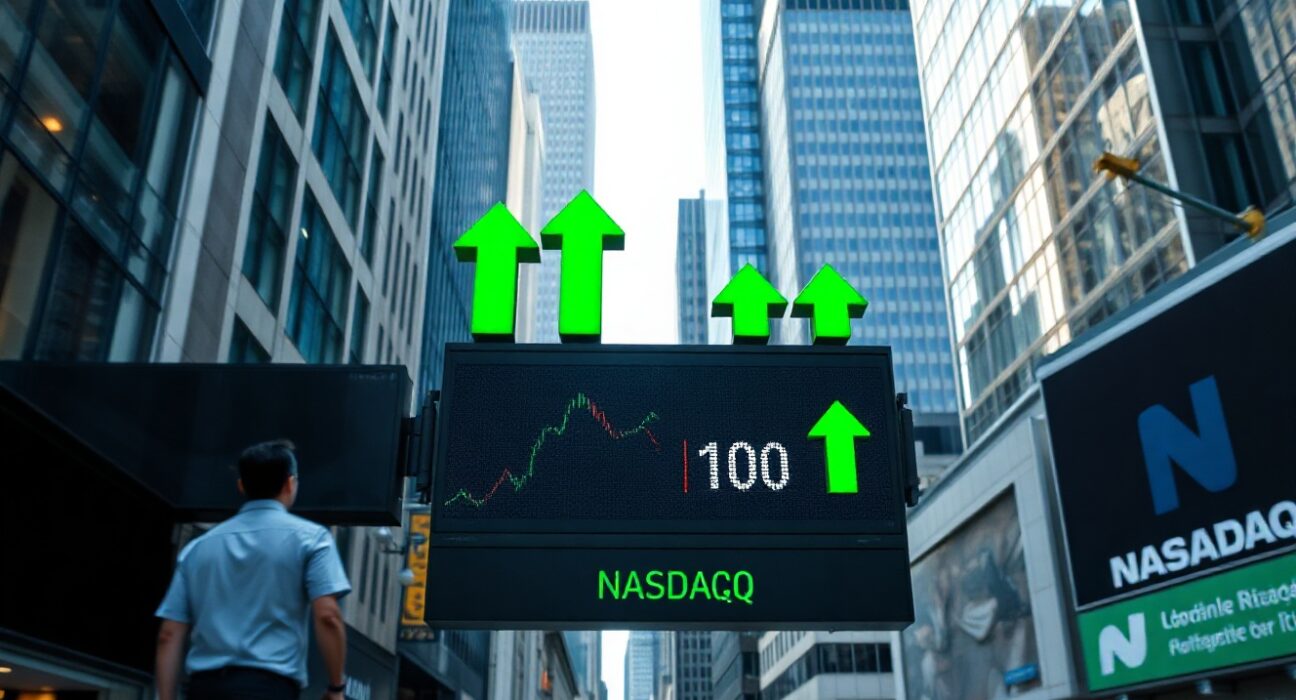
NASDAQ 100 futures advanced in early trading on [Date], as investors reacted to a Consumer Price Index (CPI) report that matched expectations, alleviating concerns about accelerating inflation and supporting hopes for a less aggressive Federal Reserve policy path.
Market Reaction to CPI Data
The in-line CPI print provided a sense of relief across financial markets, with futures on the tech-heavy index rising by [X]% as of [Time] ET. The data suggested that price pressures, while persistent, are not accelerating as some had feared, allowing traders to maintain bets on a potential rate cut later this year.
Treasury yields edged lower following the release, and the dollar softened, further supporting equity futures. The positive sentiment extended beyond tech, with S&P 500 futures also pointing to a higher open.
What the CPI Report Means for the Fed
The CPI report is a key input for the Federal Reserve’s interest rate decisions. With inflation coming in line with forecasts, the central bank may feel less pressure to maintain its restrictive stance. Market participants are now pricing in a [X]% probability of a rate cut at the next Fed meeting, according to CME FedWatch data.
However, some analysts caution that one favorable print does not signal a trend, and the Fed will likely remain data-dependent, watching upcoming employment and inflation figures closely.
Implications for Tech Stocks and Investors
Tech stocks, which are particularly sensitive to interest rate expectations, could see continued support if the disinflationary trend persists. Lower rates reduce the discount rate on future earnings, making growth stocks more attractive. For investors, this environment may offer opportunities, but it also underscores the importance of diversification and staying informed on macroeconomic indicators.
Conclusion
In summary, the in-line CPI print has provided a temporary boost to NASDAQ 100 futures, reflecting renewed optimism that the Fed may ease policy sooner rather than later. While the market reaction is positive, investors should remain vigilant, as inflation data can be volatile and the central bank’s path remains uncertain. The coming weeks will be crucial in determining whether this optimism is sustainable.
FAQs
Q1: What is the Consumer Price Index (CPI)?
The CPI measures the average change over time in the prices paid by urban consumers for a market basket of consumer goods and services. It is a key indicator of inflation.
Q2: How does CPI affect the stock market?
CPI data influences Federal Reserve policy. If inflation is high, the Fed may raise interest rates, which can hurt stock valuations. If inflation is low or in-line with expectations, it can boost investor confidence and support stock prices.
Q3: Why are NASDAQ 100 futures sensitive to inflation data?
The NASDAQ 100 is heavily weighted toward technology and growth stocks, whose valuations are more sensitive to interest rate changes. Lower inflation reduces the likelihood of aggressive rate hikes, supporting these stocks.
Disclaimer: The information provided is not trading advice, Bitcoinworld.co.in holds no liability for any investments made based on the information provided on this page. We strongly recommend independent research and/or consultation with a qualified professional before making any investment decisions.
