

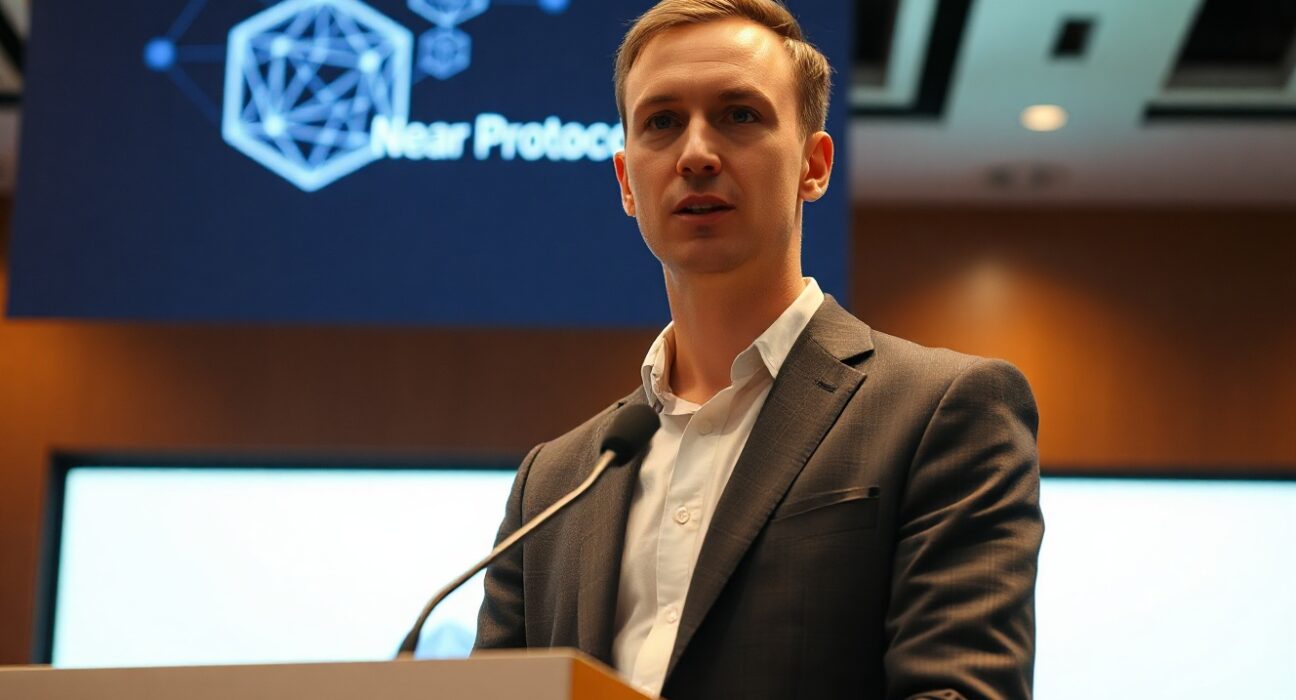
Illia Polosukhin, co-founder of the Near Protocol, has publicly dismissed a recent community proposal to burn tokens held by the Near Foundation, labeling the move as a highly inefficient use of ecosystem resources. In a statement that has sparked discussion across the blockchain community, Polosukhin argued that simple token burns have historically failed to deliver meaningful benefits to markets or network ecosystems.
Why a Token Burn Is Considered Inefficient
Polosukhin pointed to examples from other Layer 1 blockchain networks that have executed foundation token burns in the past. He noted that these actions often generated short-term market excitement but failed to produce lasting value for token holders or network participants. Instead of addressing underlying economic imbalances or improving network utility, burns can act as a temporary price support mechanism without addressing long-term sustainability.
“A one-time burn is a blunt instrument,” Polosukhin said in his remarks. “It does not change the fundamental dynamics of supply and demand, nor does it incentivize productive behavior within the ecosystem.” His comments reflect a growing skepticism among some blockchain leaders toward token burns as a governance tool.
Near Protocol’s Alternative: A Fixed Maximum Supply
Rather than pursuing a burn, Polosukhin revealed that the Near Foundation is exploring a model similar to Bitcoin’s: a fixed maximum token supply. This approach would establish a hard cap on the total number of NEAR tokens that can ever exist, introducing a predictable scarcity that could support long-term value retention.
The proposed fixed supply model would require community governance approval and would represent a significant shift from Near’s current inflationary tokenomics. Polosukhin emphasized that such a change would need to be implemented carefully to avoid disrupting staking rewards or network security incentives.
Implications for the Near Ecosystem
If adopted, a fixed supply could make Near Protocol more attractive to institutional investors and long-term holders who prioritize predictable monetary policy. It would also align Near more closely with the economic models of Bitcoin and other capped-supply cryptocurrencies, potentially strengthening its positioning in the competitive Layer 1 landscape.
However, the transition would require careful calibration. Near currently uses inflation to reward validators and stakers. A fixed supply model would need to replace those incentives through transaction fees or other mechanisms, a challenge that Polosukhin acknowledged would require community input.
Conclusion
Near Protocol’s rejection of a foundation token burn in favor of a fixed supply model represents a thoughtful departure from short-term market tactics. While the proposal is still in early discussion stages, it signals a focus on sustainable tokenomics that could influence how other blockchain networks approach supply management. The community will ultimately decide whether this shift aligns with Near’s long-term vision, but Polosukhin’s stance has already reframed the debate around token burns in the crypto industry.
FAQs
Q1: Why did Illia Polosukhin call the token burn proposal inefficient?
He argued that one-time token burns have historically failed to create lasting market or ecosystem benefits, acting only as temporary price support without addressing fundamental economic imbalances.
Q2: What alternative is Near Protocol considering instead of a burn?
Polosukhin proposed adopting a fixed maximum token supply model similar to Bitcoin’s, which would cap the total number of NEAR tokens and introduce predictable scarcity.
Q3: How would a fixed supply affect Near Protocol’s staking rewards?
Transitioning to a fixed supply would require replacing inflationary staking rewards with alternative incentives, such as transaction fees, which would need community governance approval.
Disclaimer: The information provided is not trading advice, Bitcoinworld.co.in holds no liability for any investments made based on the information provided on this page. We strongly recommend independent research and/or consultation with a qualified professional before making any investment decisions.
