
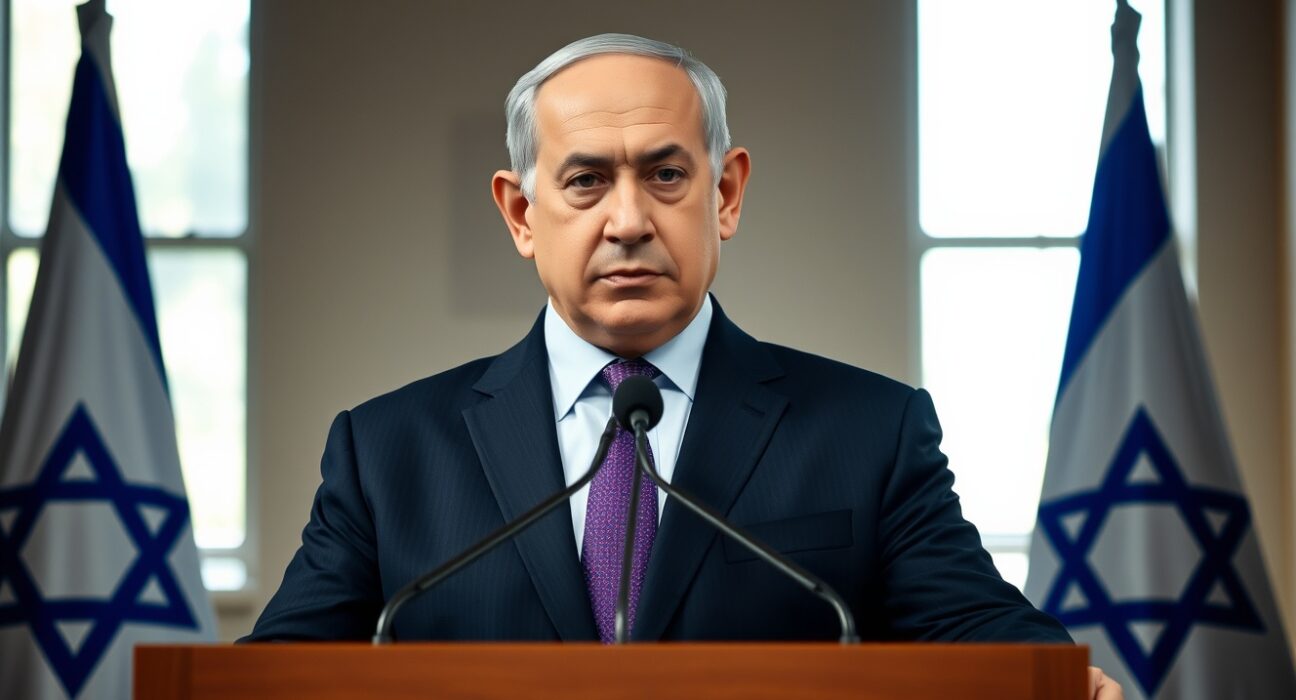
Israeli Prime Minister Benjamin Netanyahu delivered a definitive statement on March 15, 2025, firmly denying the existence of any ceasefire agreement along Israel’s northern border with Lebanon. This declaration comes amid escalating cross-border exchanges between Israeli forces and Hezbollah militants, raising concerns about broader regional conflict. The Prime Minister’s remarks directly contradict recent diplomatic efforts and underscore the volatile security situation facing both nations.
Netanyahu’s Lebanon Ceasefire Statement: Context and Implications
Prime Minister Netanyahu made his statement during a security cabinet meeting in Jerusalem. He specifically addressed recent media reports suggesting potential de-escalation talks. “There is no ceasefire in Lebanon,” Netanyahu stated unequivocally. “Our forces remain on high alert and will respond decisively to any aggression.” This position reflects Israel’s longstanding security doctrine regarding its northern border.
The Lebanon-Israel border has experienced periodic violence for decades. However, recent months have seen increased frequency of rocket attacks and airstrikes. Israeli defense officials report over 150 incidents since January 2025. These exchanges primarily involve Hezbollah, the Iran-backed militant group controlling southern Lebanon. The group possesses an estimated 130,000 rockets and missiles according to Israeli military intelligence.
Historical Background of Israel-Lebanon Tensions
The current tensions trace their origins to several key historical events. Israel and Lebanon have technically been at war since 1948. The 2006 Israel-Hezbollah war resulted in significant casualties on both sides. United Nations Security Council Resolution 1701 established a ceasefire that year. However, violations have occurred regularly since its implementation.
Military and Diplomatic Perspectives
Regional security analysts note several concerning developments. Hezbollah has significantly upgraded its arsenal since 2006. The group now possesses precision-guided missiles capable of striking strategic Israeli targets. Meanwhile, Israel has conducted numerous airstrikes against suspected weapons transfers in Syria. These strikes aim to prevent advanced weapons from reaching Hezbollah through Syrian territory.
Diplomatic channels remain active despite the military posturing. United Nations Interim Force in Lebanon (UNIFIL) continues its peacekeeping mission. The force maintains approximately 10,000 personnel along the Blue Line demarcation. However, UN officials report increasing restrictions on their mobility from both sides. This limitation hampers monitoring and verification efforts.
Regional Security Implications for 2025
Netanyahu’s statement carries significant implications for Middle Eastern stability. Several neighboring countries monitor the situation closely. Syria shares borders with both Israel and Lebanon. Jordan maintains peace treaties with Israel while hosting substantial Palestinian and Syrian refugee populations. Egypt has historically mediated between Israel and various Arab factions.
The potential for escalation remains substantial according to defense experts. A major conflict could involve multiple regional actors. Iran provides financial and military support to Hezbollah. The United States maintains security commitments to Israel. Russia has increased its military presence in Syria. These interconnected relationships create complex escalation dynamics.
| Month | Reported Incidents | Israeli Responses | Hezbollah Statements |
|---|---|---|---|
| January | 42 | 28 airstrikes | 12 claims of responsibility |
| February | 58 | 41 airstrikes | 19 claims of responsibility |
| March (partial) | 51 | 37 airstrikes | 22 claims of responsibility |
Economic consequences already manifest in both countries. Northern Israeli communities near the border have experienced repeated evacuations. The Israeli government has allocated emergency funding for bomb shelters and warning systems. In Lebanon, the deteriorating security situation compounds existing economic crises. The Lebanese pound has lost over 90% of its value since 2019. Additional conflict would further devastate the already fragile economy.
International Response and Diplomatic Efforts
Several international actors have responded to Netanyahu’s statement. The United States Department of State expressed concern about escalating rhetoric. American officials emphasize support for Israel’s right to self-defense. However, they also urge restraint to prevent broader conflict. European Union foreign policy representatives have called for renewed diplomatic engagement.
United Nations Secretary-General issued a statement through his spokesperson. He reiterated support for Resolution 1701’s full implementation. The statement called on all parties to exercise maximum restraint. It also emphasized the importance of UNIFIL’s freedom of movement. The Secretary-General offered UN mediation services if requested by both parties.
Key diplomatic challenges include:
- Direct negotiations: Israel and Lebanon have no formal diplomatic relations
- Mediation complexity: Hezbollah operates as both political party and armed group
- Regional proxies: Iran’s influence over Hezbollah complicates bilateral solutions
- Domestic politics: Both Israeli and Lebanese governments face internal pressures
Humanitarian Considerations and Civilian Impact
Civilian populations bear the brunt of border tensions. Approximately 250,000 Israelis live within rocket range of Lebanon. Lebanese villages along the border house vulnerable communities. Many residents lack adequate shelter protection. Humanitarian organizations report increasing psychological distress among children. Schools in border areas frequently close during escalation periods.
Medical facilities on both sides prepare for potential mass casualty events. Hospitals in northern Israel have conducted emergency drills. Lebanese healthcare facilities struggle with medication and equipment shortages. These deficiencies result from Lebanon’s ongoing economic collapse. International aid organizations preposition supplies but face logistical challenges.
Conclusion
Prime Minister Netanyahu’s denial of a Lebanon ceasefire underscores persistent regional volatility. The statement reflects Israel’s security priorities amid ongoing border incidents. Historical tensions, military developments, and diplomatic complexities all contribute to the current situation. Regional stability requires careful navigation of these interconnected challenges. The Israel Lebanon ceasefire question remains central to Middle Eastern security dynamics in 2025. All parties must balance legitimate security concerns with conflict prevention efforts to avoid broader escalation.
FAQs
Q1: What exactly did Prime Minister Netanyahu say about Lebanon?
Netanyahu stated clearly, “There is no ceasefire in Lebanon,” during a security cabinet meeting. He emphasized that Israeli forces remain on high alert and will respond to any aggression from across the northern border.
Q2: How has the situation along the Israel-Lebanon border evolved recently?
Border incidents have increased significantly in early 2025, with over 150 reported exchanges since January. These include rocket launches from Lebanon and Israeli airstrikes in response, primarily involving Hezbollah forces.
Q3: What is Hezbollah’s role in these tensions?
Hezbollah is a Lebanese Shiite political party and militant group that controls southern Lebanon. It possesses substantial rocket arsenals and receives support from Iran. The group frequently clashes with Israeli forces along the border.
Q4: Are there any diplomatic efforts to reduce tensions?
Yes, multiple diplomatic channels remain active. The United Nations continues peacekeeping operations through UNIFIL. Various countries, including the United States and European nations, engage in mediation efforts despite the absence of formal Israel-Lebanon relations.
Q5: What would trigger a major escalation between Israel and Lebanon?
Experts identify several potential triggers: a high-casualty attack on either side, successful strikes against strategic infrastructure, involvement of other regional actors, or political decisions by either government to launch larger military operations.
Disclaimer: The information provided is not trading advice, Bitcoinworld.co.in holds no liability for any investments made based on the information provided on this page. We strongly recommend independent research and/or consultation with a qualified professional before making any investment decisions.