

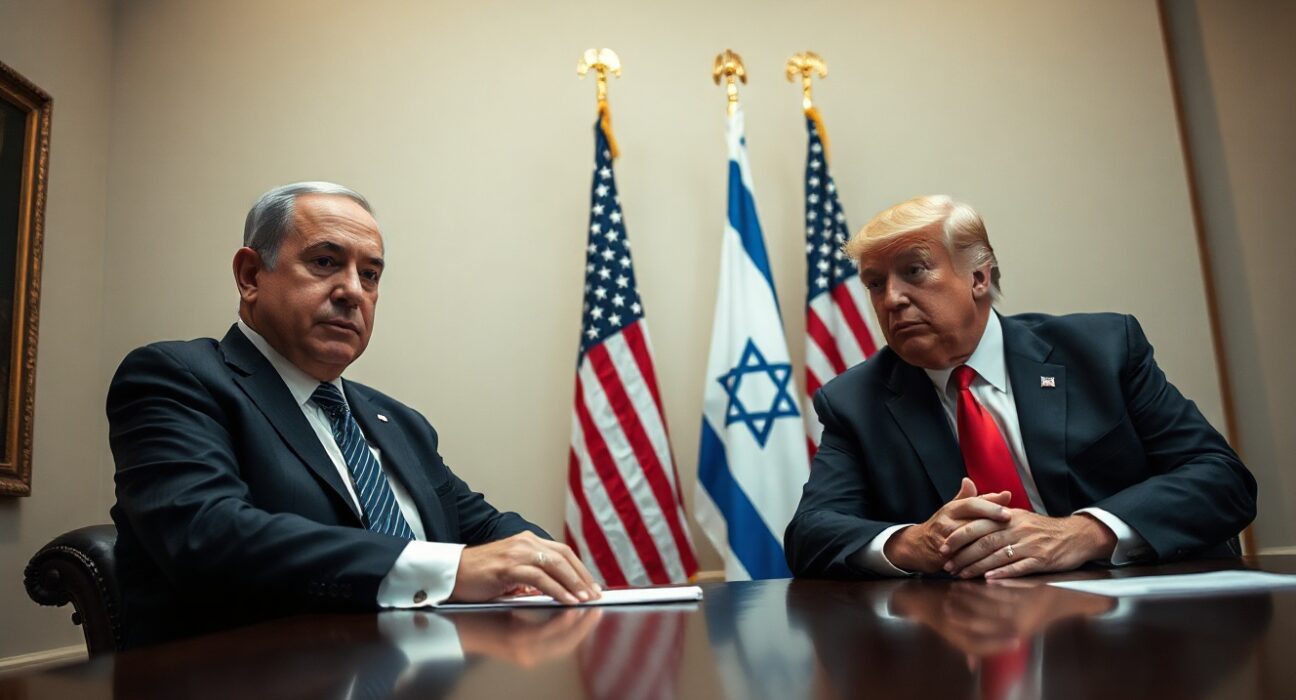
Israeli Prime Minister Benjamin Netanyahu stated in an interview on June 3 that he and former U.S. President Donald Trump have reached a consensus on critical issues concerning Iran. The remarks, which underscore the continued alignment between the two leaders on Middle East policy, come amid ongoing debates over Iran’s nuclear ambitions and regional influence.
Strategic Alignment Despite Tactical Differences
Netanyahu acknowledged that while there have been occasional tactical disagreements with the Trump administration, these differences have been resolved smoothly. He emphasized that the broader strategic vision regarding Iran remains shared, particularly on preventing Tehran from acquiring nuclear weapons and curbing its destabilizing activities across the region.
The interview highlights the enduring nature of the U.S.-Israel partnership on Iran, even as political landscapes shift. Netanyahu’s comments suggest that the core principles of the relationship—rooted in mutual security interests—remain intact, regardless of day-to-day policy nuances.
Context and Implications for Regional Policy
Iran has long been a central issue in U.S.-Israel relations. Under Trump, the U.S. withdrew from the 2015 Iran nuclear deal and reimposed sanctions, a move strongly supported by Netanyahu. The prime minister’s latest remarks reaffirm his preference for a hardline approach, which contrasts with the more diplomatic overtures seen under other administrations.
Analysts note that the alignment between Netanyahu and Trump could influence future U.S. policy directions, particularly if Trump returns to office. The statement also signals to other regional actors, including Gulf states and Iran itself, that the U.S.-Israel front on this issue remains cohesive.
What This Means for Readers
For observers of Middle East geopolitics, Netanyahu’s comments provide a clear signal that the U.S.-Israel partnership on Iran is not merely transactional but rooted in a shared strategic worldview. This alignment has direct implications for international diplomacy, energy markets, and regional security dynamics. Readers should understand that while tactical disagreements are normal in any alliance, the fundamental consensus on Iran’s threat perception remains a constant driver of policy in the region.
Conclusion
Netanyahu’s interview confirms a unified front with Trump on Iran, reinforcing the centrality of the issue in U.S.-Israel relations. As geopolitical tensions persist, this alignment is likely to shape future negotiations and strategic moves concerning Iran’s nuclear program and regional influence.
FAQs
Q1: What specific issues did Netanyahu and Trump agree on regarding Iran?
A1: While the interview did not detail every point, Netanyahu emphasized a shared goal of preventing Iran from acquiring nuclear weapons and countering its regional activities, reflecting a broad strategic consensus.
Q2: Are there any disagreements between Netanyahu and Trump on Iran?
A2: Netanyahu acknowledged occasional tactical disagreements but stated they have been resolved smoothly, indicating that differences are minor and do not undermine the overall partnership.
Q3: Why does this matter for the Middle East?
A3: The U.S.-Israel alignment on Iran influences regional diplomacy, sanctions policy, and security dynamics. It signals a continued hardline stance that affects Iran’s calculations and the strategies of other regional powers.
Disclaimer: The information provided is not trading advice, Bitcoinworld.co.in holds no liability for any investments made based on the information provided on this page. We strongly recommend independent research and/or consultation with a qualified professional before making any investment decisions.
