

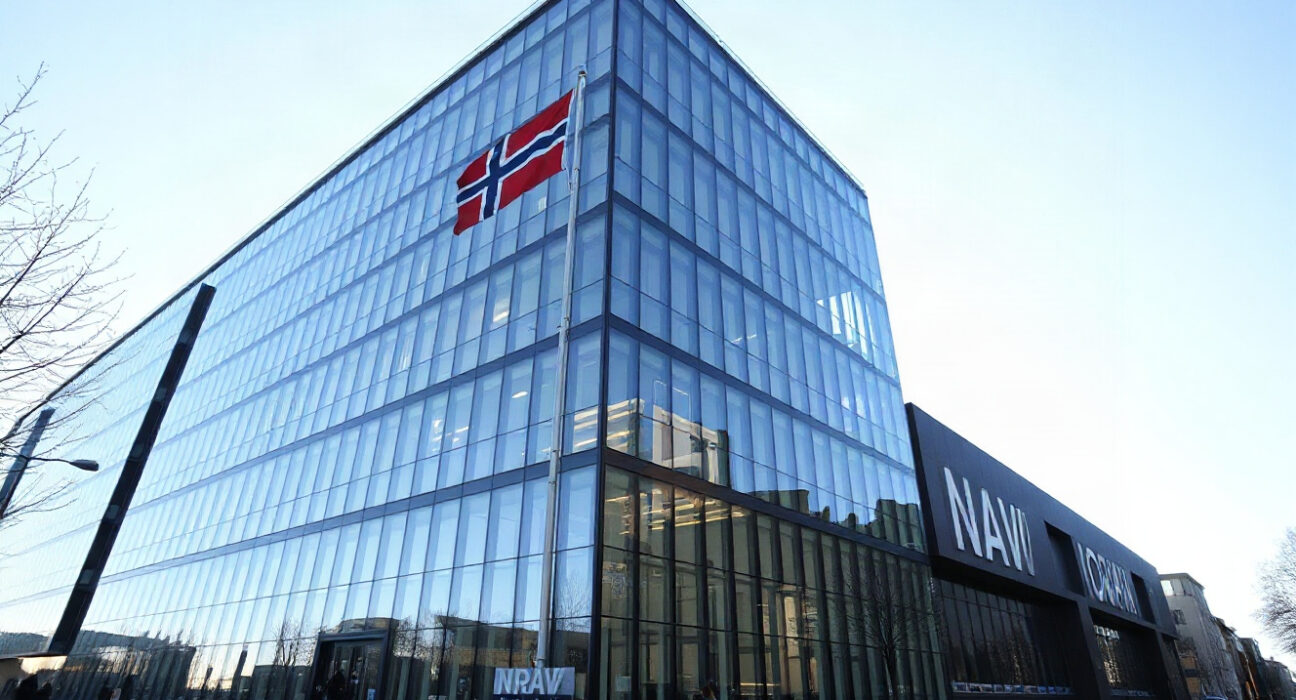
Norway’s seasonally adjusted unemployment figure rose to 80,064 in August, up from a revised 79,275 in July, according to the latest data from the Norwegian Labour and Welfare Administration (NAV). This increase of 789 people continues a gradual upward trend observed over recent months.
What the latest figures show
The seasonally adjusted data provides a clearer picture of the underlying labor market trends by smoothing out seasonal variations. The August figure represents a seasonally adjusted unemployment rate of 2.7%, unchanged from the previous month.
While the month-on-month increase is modest, it adds to a pattern of slowly rising unemployment through 2026. The unadjusted figures, which reflect the actual number of registered unemployed, are typically lower during the summer months due to seasonal employment in sectors such as tourism and construction.
Context and broader labor market trends
Norway’s labor market has remained relatively resilient compared to many other European economies, supported by strong public finances and a robust energy sector. However, the gradual rise in unemployment suggests some cooling in labor demand.
Analysts point to several contributing factors, including a slowdown in the construction industry and reduced hiring in the private services sector. The central bank, Norges Bank, has been monitoring these developments closely as it considers its monetary policy stance, with a tight labor market historically being a key driver of wage inflation.
Why this matters
For job seekers and policymakers, these figures are a critical indicator of economic health. A sustained increase in unemployment could signal a broader economic slowdown, potentially influencing decisions on interest rates and government spending. For businesses, it may indicate a shift in bargaining power toward employers, with a larger pool of available workers.
For the average Norwegian resident, the labor market’s trajectory affects everything from job security and wage growth to the overall cost of living. While the current rate remains historically low, the direction of the trend is a key factor to watch in the coming months.
Conclusion
The rise in Norway’s seasonally adjusted unemployment to 80,064 in August, from 79,275 in July, reflects a continuing, albeit gradual, loosening of the labor market. While the overall rate remains low, the persistent upward movement is a significant data point for economists, businesses, and policymakers as they assess the country’s economic trajectory.
FAQs
Q1: What is seasonally adjusted unemployment?
Seasonally adjusted unemployment is a statistical method used to remove the effects of regular seasonal patterns, such as weather or holidays, from employment data. This provides a clearer view of the underlying trend in the labor market, allowing for more accurate month-to-month comparisons.
Q2: Who publishes these unemployment figures?
The data is published by the Norwegian Labour and Welfare Administration (NAV), which is the government agency responsible for administering welfare schemes and labor market policies in Norway. NAV releases these statistics on a monthly basis.
Q3: How does the current unemployment rate compare to historical levels?
The current seasonally adjusted rate of 2.7% remains low by historical standards. For context, during the peak of the COVID-19 pandemic in 2020, the unemployment rate spiked to over 10%. The rate has been gradually declining since then, though it has seen a slight upward trend over the past year.
Disclaimer: The information provided is not trading advice, Bitcoinworld.co.in holds no liability for any investments made based on the information provided on this page. We strongly recommend independent research and/or consultation with a qualified professional before making any investment decisions.
