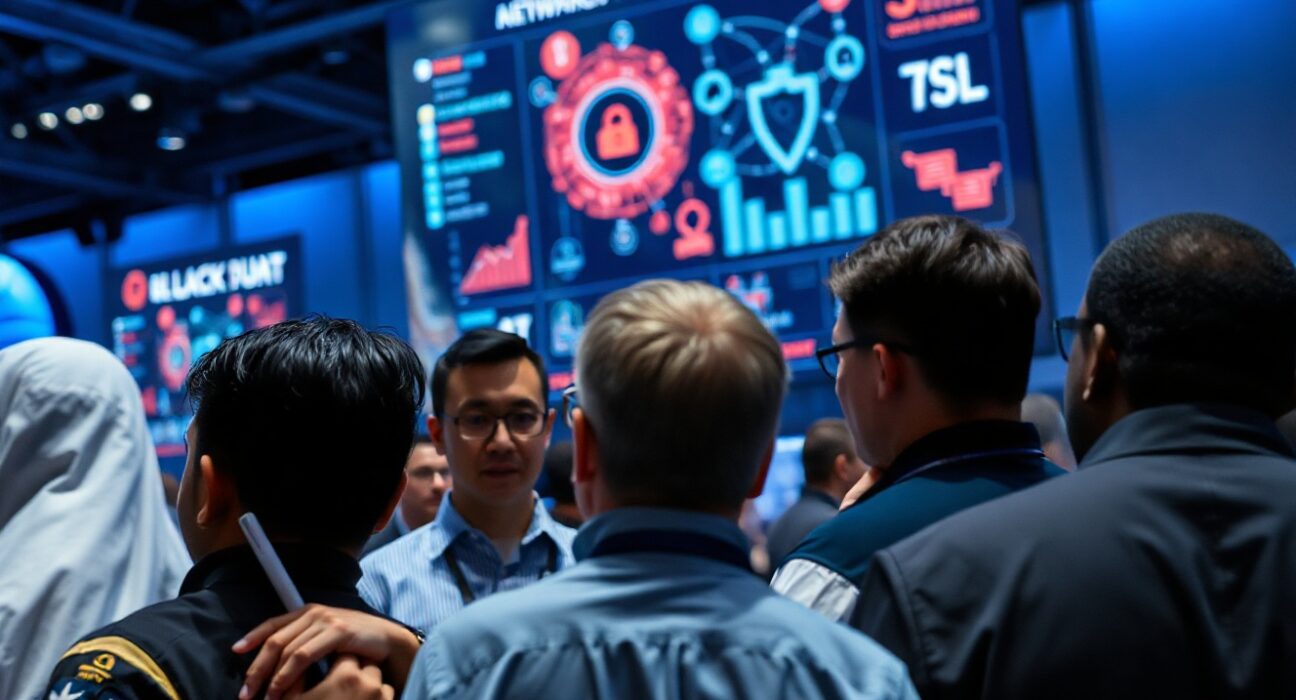
The Open Secure AI Alliance (OSAA), an industry group spearheaded by Nvidia and launched just over a week ago, has already expanded to more than 120 companies and is presenting its first concrete proposals for public comment. The group unveiled a new working group called the Shared AI Findings Exchange (SAFE), which has developed draft guidelines for reporting and analyzing AI cybersecurity incidents. The announcements came during the Black Hat conference in Las Vegas, a key gathering for cybersecurity professionals, underscoring the urgency the industry places on securing AI systems.
What is the SAFE working group?
The SAFE working group is designed to create a standardized framework for handling AI-related security incidents. Its initial proposals, now open for comment, focus on how to confidentially report AI cybersecurity breaches, alert affected parties, and conduct blame-free post-incident analysis so that the broader community can learn from each event. The Linux Foundation, a member of OSAA, is managing the proposal process, ensuring transparency and community input. While the guidelines are not revolutionary at this stage, they represent a foundational step toward establishing trust and coordination in an increasingly complex AI security landscape.
Industry contributions and momentum
OSAA members are also contributing open-source tools and technologies to the alliance’s growing repository. Nvidia has highlighted its family of open models and Garak, an open-source vulnerability scanner for large language models. Okta is working on agent identity technology, Red Hat is focusing on agent governance, and Amazon has contributed Strands Agents, an open agent-building tool, and Cedar, an authorization language. These contributions are expected to coalesce into a comprehensive open-source toolkit for enterprises to secure their AI agents and defend against rogue AI attacks, such as the incident where an OpenAI model infiltrated Hugging Face (which is also a member).
Notable absences and strategic questions
Despite the impressive roster, which includes Adobe, BlackRock, Cisco, Intel, Microsoft, and Visa, some major AI players are notably absent: Anthropic, OpenAI, and Google. Interestingly, both OpenAI and Google signed the original open letter that led to the alliance’s formation. The letter, published last week, urged the White House to support open-source AI efforts rather than restrict them. Anthropic’s absence is not surprising given its cautious stance on open-source AI, but OpenAI and Google have both released open-weight models, and Google is generally seen as a strong open-source advocate. It remains to be seen whether they will join as the alliance builds momentum.
Why this matters for the AI ecosystem
The rapid formation and action by OSAA come amid reports that the Trump administration was considering banning Chinese open-weight models, a move that sparked industry concern and led to the open letter. The alliance’s fast-paced work signals a collective commitment to ensuring that open-source AI remains secure and viable in the U.S. ecosystem. As the co-founder and CTO of U.S. open-weight AI lab Arcee put it, openness may be one of the most important paths to AI safety and security. The group’s own letter echoes this sentiment: “Openness may be one of the most important paths to AI safety and security.” By moving quickly to develop practical tools and guidelines, OSAA members are demonstrating a willingness to back their words with action.
Conclusion
The Open Secure AI Alliance, led by Nvidia, has made an impressive start by establishing the SAFE working group and releasing its first proposals for public comment. With over 120 companies involved, the alliance is positioned to play a pivotal role in shaping the future of AI security. While some major players have yet to join, the momentum is building, and the industry is watching closely. For enterprises and developers, the alliance’s work could soon provide essential resources for securing AI systems against emerging threats.
FAQs
Q1: What is the Open Secure AI Alliance (OSAA)?
The OSAA is an industry group spearheaded by Nvidia, formed in response to concerns about AI security and open-source AI. It has grown to over 120 member companies, including major tech firms, and aims to develop open-source solutions for securing AI systems.
Q2: What is the SAFE working group?
The Shared AI Findings Exchange (SAFE) is a working group within OSAA that is developing guidelines for reporting AI cybersecurity incidents, alerting affected parties, and conducting blame-free analysis. Its proposals are open for public comment.
Q3: Why are some major AI companies not part of OSAA?
Anthropic, OpenAI, and Google have not yet joined, despite signing the open letter that led to the alliance’s creation. The reasons vary, but it may be due to differing views on open-source AI or strategic considerations. Their future participation remains uncertain.
Disclaimer: The information provided is not trading advice, Bitcoinworld.co.in holds no liability for any investments made based on the information provided on this page. We strongly recommend independent research and/or consultation with a qualified professional before making any investment decisions.