

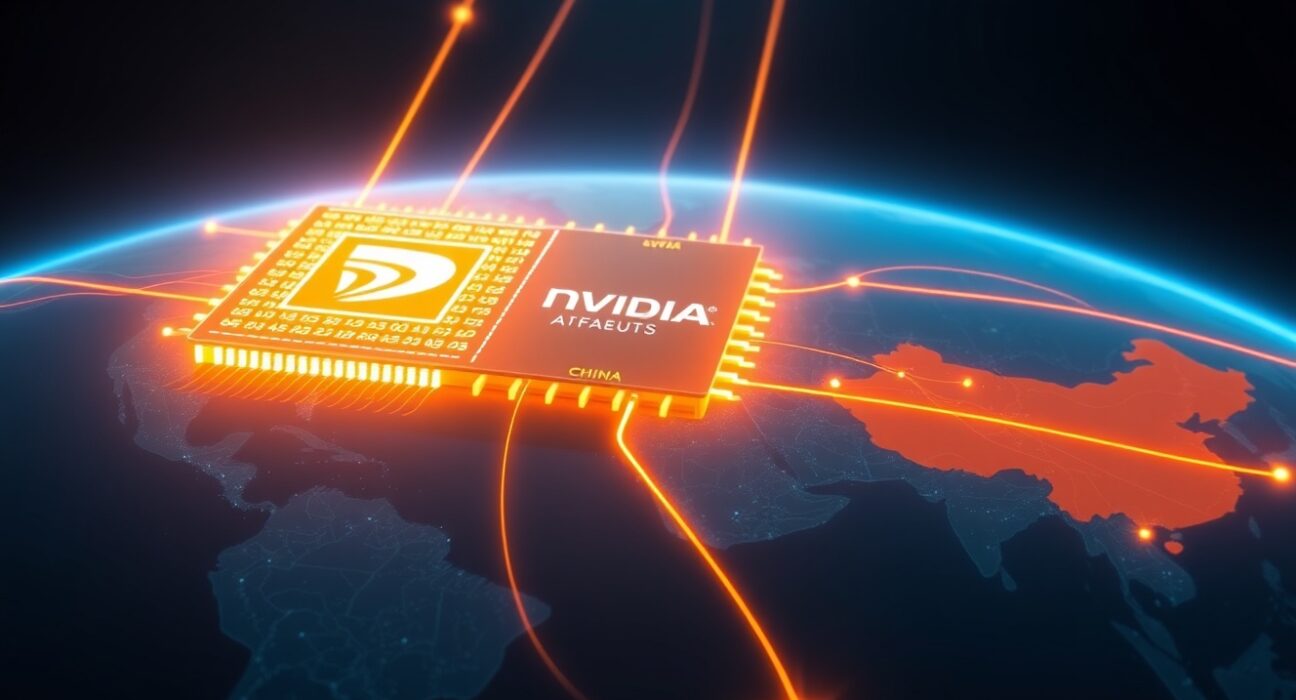
In the high-stakes world of artificial intelligence, control over the hardware that powers it is becoming a critical national security and economic battleground. A startling development has emerged from the heart of this conflict: Nvidia, the undisputed king of AI chips, is reportedly testing sophisticated tracking software designed to monitor the physical location of its most powerful processors. This move comes as persistent rumors swirl about a shadowy trade—the illicit smuggling of these coveted chips into China, bypassing stringent U.S. export controls. For the crypto and tech communities watching this space, the implications are profound, touching on market dynamics, technological sovereignty, and the very flow of computational power that drives modern innovation.
Why is Nvidia Developing Chip Tracking Software?
According to a Reuters report citing anonymous sources, Nvidia has built a location verification technology. This software doesn’t just monitor performance; it uses the delay in communication between servers to infer a chip’s geographic location. The primary driver for this development is the escalating tension between U.S. national security interests and China’s relentless pursuit of cutting-edge AI capabilities. With U.S. regulations restricting the sale of Nvidia’s most advanced chips, like the new Blackwell architecture, to Chinese entities, the potential for a black market has grown. This tracking software represents a technological countermeasure, allowing Nvidia to potentially ensure compliance with export laws and maintain its standing with U.S. regulators.
The Rising Tide of AI Chip Smuggling Rumors
The timing of this news is no coincidence. In recent days, multiple reports have alleged that China’s leading AI firms, including DeepSeek, have trained their latest models on smuggled Nvidia Blackwell chips. The alleged scheme involves constructing “phantom datacenters” to deceive Nvidia and its partners, only to dismantle, smuggle, and reassemble the hardware in China. However, Nvidia’s official stance remains skeptical. A company spokesperson told Bitcoin World, “We haven’t seen any substantiation or received tips of ‘phantom datacenters’… While such smuggling seems farfetched, we pursue any tip we receive.” This denial highlights the complex dance between corporate responsibility, geopolitical pressures, and a murky, rumor-filled intelligence landscape.
| Key Element | Details |
|---|---|
| Technology | Location verification software using server communication latency. |
| Initial Rollout | Optional for customers, starting with Blackwell chips. |
| Primary Motivation | Ensuring compliance with U.S. export controls on AI chips. |
| Nvidia’s Stance on Smuggling | No substantiated evidence found, but all tips are pursued. |
| Regulatory Context | U.S. recently approved sale of older H200 chips to approved customers in China. |
Blackwell Chips: The Crown Jewels in the AI Arms Race
At the center of this storm are Nvidia’s Blackwell chips, the company’s next-generation AI processors. Their significance cannot be overstated. They represent a monumental leap in computing power necessary for training frontier AI models. The U.S. government’s export restrictions specifically target these advanced chips, while allowing the sale of previous-generation models like the H200. This creates a powerful incentive for smuggling. If Chinese AI labs can access Blackwell-level performance, it could significantly narrow the technological gap with Western counterparts, despite export controls. The tracking software is Nvidia’s first line of defense to protect this critical technological advantage.
What Does This Mean for the Global AI and Crypto Landscape?
The development of tracking software for hardware signals a new phase in the tech cold war. It’s not just about controlling the sale; it’s about controlling the product’s entire lifecycle.
- For AI Development: Access to top-tier compute is the lifeblood of AI research. Restrictions and tracking could Balkanize the AI ecosystem, creating separate technological tracks in the West and China.
- For the Crypto Market: The AI and crypto sectors are increasingly intertwined, especially in areas like decentralized compute and AI-driven trading. Scarcity or controlled distribution of AI chips can impact the cost and availability of these services.
- For Investors: Nvidia’s ability to navigate these geopolitical waters directly impacts its market dominance and stock valuation. Any major smuggling scandal or regulatory crackdown could introduce significant volatility.
Actionable Insights and Key Takeaways
This situation offers crucial lessons for observers and participants in the tech sector:
- Geopolitics is Inescapable: The era of a truly global, frictionless tech market is over. Hardware, especially foundational AI hardware, is now a strategic asset.
- Compliance is a Feature: Nvidia’s optional tracking software shows how compliance tools are becoming integrated into product offerings, a trend likely to spread.
- Scrutinize the Supply Chain: For businesses reliant on AI compute, understanding the provenance and compliance status of your hardware will become increasingly important.
- Monitor Regulatory Shifts: The recent greenlight for H200 chips to China shows policy is fluid. Staying informed on export control changes is essential.
FAQs: Nvidia, Chip Smuggling, and Tracking Software
Q: What company is developing the AI chip tracking software?
A: Nvidia, the leading designer of Graphics Processing Units (GPUs) for AI and accelerated computing, is reportedly testing this software.
Q: Which Chinese AI company was named in smuggling rumors?
A: Reports have alleged that DeepSeek, a Chinese AI research company known for its large language models, may have used smuggled chips. These are currently rumors, and Nvidia states it has seen no evidence.
Q: What are Blackwell chips?
A: Blackwell is the codename for Nvidia’s next-generation GPU architecture, succeeding Hopper (H100/H200). They are designed for massive-scale AI training and inference and are subject to strict U.S. export controls.
Q: Has the U.S. government banned all Nvidia chip sales to China?
A: No. The U.S. has imposed restrictions on the sale of its most advanced chips (like Blackwell) but recently approved the sale of the previous-generation H200 AI chips to approved customers in China.
Q: Is the tracking software mandatory for Nvidia customers?
A: According to reports, the location verification software will be optional for customers to use, with initial availability for the new Blackwell chips.
Conclusion: A New Frontier in the Tech Cold War
The report of Nvidia testing tracking software is a stark symbol of our new technological reality. It’s no longer sufficient to control a chip’s point of sale; companies and governments now seek to monitor its operational life across the globe. While Nvidia publicly downplays the scale of chip smuggling, its investment in counter-surveillance technology speaks volumes about the perceived threat. This development marks a pivotal moment where the physical and digital worlds of control converge. For the AI and crypto industries, which thrive on open access and decentralized power, these encroaching walls of digital and physical tracking present a formidable and defining challenge. The race for AI supremacy is not just about algorithms and data; it’s increasingly a tense, high-stakes game of controlling the silicon that makes it all possible.
To learn more about the latest AI market trends and how developments in hardware like AI chips are shaping the future of technology, explore our in-depth coverage on the key forces driving AI innovation and institutional adoption.
Disclaimer: The information provided is not trading advice, Bitcoinworld.co.in holds no liability for any investments made based on the information provided on this page. We strongly recommend independent research and/or consultation with a qualified professional before making any investment decisions.