

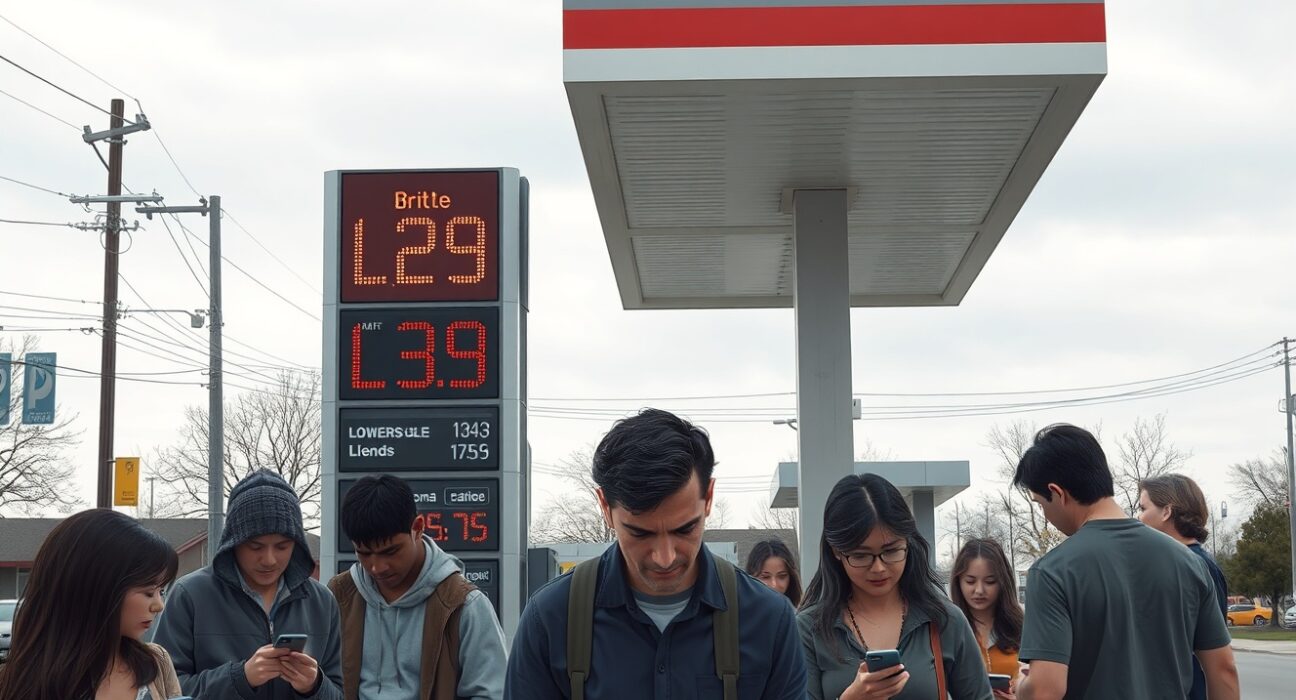
The Federal Reserve Bank of New York reported Tuesday that consumer expectations for inflation over the short and medium term increased in January, a development that runs counter to the recent decline in gasoline prices. The monthly Survey of Consumer Expectations showed that one-year-ahead inflation expectations rose to 3.1% from 2.9% in December, while three-year-ahead expectations edged up to 2.6% from 2.5%. The data suggests that households remain cautious about the trajectory of prices, even as some costs ease.
Divergence Between Gas Prices and Broader Inflation Views
The survey results come at a time when gasoline prices have fallen noticeably. According to AAA, the national average for a gallon of regular unleaded dropped to $3.12 in late January, down from $3.28 a month earlier. Typically, lower fuel costs help temper inflation expectations because gasoline is a highly visible purchase for most consumers. However, the NY Fed’s findings indicate that other factors—such as persistent concerns about housing costs, food prices, and potential tariffs—are exerting a stronger influence on the public’s outlook.
Economists point to a combination of factors driving the divergence. The labor market remains tight, with wage growth still elevated, which can feed into service-sector inflation. Additionally, the prospect of new trade policies under the current administration has injected uncertainty into supply chains, leading some consumers to anticipate higher prices for imported goods. The NY Fed survey also noted that expectations for home price growth remained elevated, with respondents predicting a 3.0% increase over the next year.
Implications for the Federal Reserve
The rise in inflation expectations is closely watched by Federal Reserve policymakers, who have signaled a cautious approach to interest rate cuts in 2026. The central bank’s preferred measure of inflation, the Personal Consumption Expenditures (PCE) index, has shown progress toward the 2% target, but the NY Fed data suggests that consumer sentiment may be lagging behind the official figures.
Fed Chair Jerome Powell has repeatedly emphasized the importance of anchoring inflation expectations. If consumers begin to anticipate higher inflation, they may adjust their behavior—demanding higher wages or accelerating purchases—which can become self-fulfilling. The January survey results could therefore reinforce the Fed’s current stance of maintaining higher interest rates for longer, delaying any potential rate cuts until later in the year.
What This Means for Households
For everyday Americans, the rise in inflation expectations translates into continued financial uncertainty. While lower gas prices provide some relief at the pump, the broader outlook suggests that other costs—such as rent, groceries, and insurance—may remain elevated. The NY Fed survey also found that households’ expectations for income growth were relatively unchanged, meaning that real purchasing power could continue to erode.
Financial advisors recommend that consumers focus on budgeting for essential expenses and consider locking in fixed-rate debt where possible, as interest rates are unlikely to fall sharply in the near term. The survey’s findings also underscore the importance of monitoring local price trends, as inflation can vary significantly by region.
Conclusion
The NY Fed’s January survey presents a nuanced picture of the U.S. economy: headline inflation is moderating, but consumer expectations remain stubbornly elevated. The disconnect between falling gas prices and rising inflation forecasts highlights the complexity of the current economic environment. For policymakers, the data serves as a reminder that the battle against inflation is not yet won, and that maintaining credibility with the public is essential. For readers, the key takeaway is that while some costs are easing, the overall cost of living is expected to remain a challenge for the foreseeable future.
FAQs
Q1: Why did inflation expectations rise when gas prices fell?
Gas prices are just one component of the overall inflation picture. The NY Fed survey captures expectations for a broad basket of goods and services, including housing, food, and healthcare. Persistent concerns about these categories, along with uncertainty about trade policy and wage growth, likely outweighed the positive impact of lower fuel costs.
Q2: How does the NY Fed survey differ from official inflation data?
The NY Fed Survey of Consumer Expectations measures what households think will happen to prices in the future, while official data like the CPI and PCE indexes track actual price changes. Consumer expectations can influence future spending and wage demands, making them a leading indicator for actual inflation.
Q3: What does this mean for interest rates?
Higher inflation expectations could prompt the Federal Reserve to keep interest rates higher for longer. The Fed wants to ensure that inflation is sustainably moving toward its 2% target before cutting rates. The January survey results may reduce the likelihood of a rate cut at the Fed’s next meeting in March.
Disclaimer: The information provided is not trading advice, Bitcoinworld.co.in holds no liability for any investments made based on the information provided on this page. We strongly recommend independent research and/or consultation with a qualified professional before making any investment decisions.
