

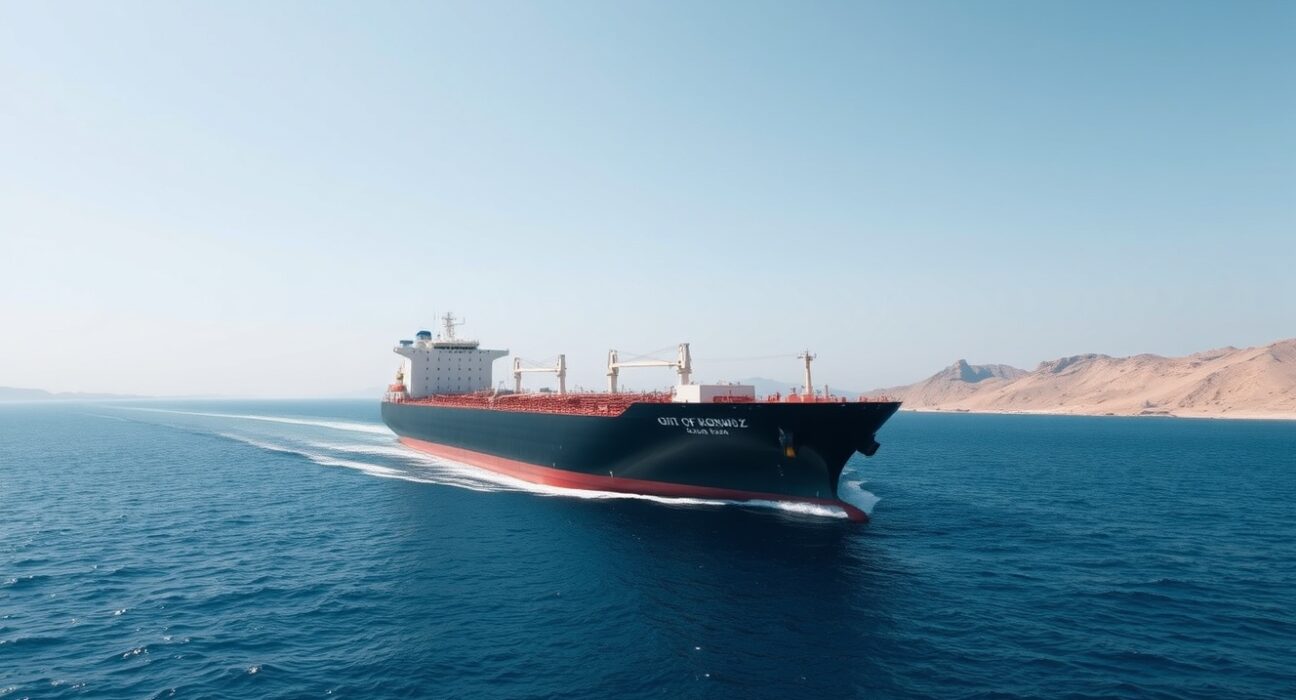
Analysts at Societe Generale have issued a new assessment warning that the reopening of the Strait of Hormuz is triggering a staggered supply shock in global oil markets. The bank’s research note, published this week, outlines how the gradual resumption of tanker traffic through the strategic chokepoint is creating a complex, phased impact on crude prices and supply chains.
Understanding the Staggered Supply Shock
The Strait of Hormuz, a narrow waterway between Oman and Iran, handles roughly one-fifth of the world’s oil consumption. Following a period of heightened geopolitical tensions and temporary disruptions, the waterway’s reopening is not expected to restore normal flows immediately. Societe Generale’s analysts describe the process as a “staggered shock” because tanker schedules, insurance underwriting, and port logistics require time to recalibrate. The gradual return of supply is likely to exert downward pressure on prices, but the timing and magnitude remain uncertain.
Market Implications and Price Outlook
Societe Generale’s report suggests that while the reopening alleviates immediate supply fears, the staggered nature of the recovery could lead to short-term price volatility. Traders are now watching for signals from OPEC+ producers, particularly Saudi Arabia and Iran, regarding production adjustments. The bank’s models indicate that a full normalization of flows may take several weeks, during which inventories could tighten temporarily. For consumers, this means that gasoline and heating oil prices may not drop sharply in the near term, even as geopolitical risk premiums begin to unwind.
Why This Matters for Investors
For energy investors, the key takeaway is that the supply shock is not a single event but a process. Societe Generale advises clients to prepare for a period of elevated uncertainty, with potential for both bullish and bearish moves depending on how quickly logistics normalize. The bank also highlights that the reopening does not eliminate long-term structural risks in the region, including ongoing tensions between Iran and Western powers.
Conclusion
Societe Generale’s analysis underscores that the reopening of the Strait of Hormuz is a complex, phased development rather than a straightforward market relief. While the immediate crisis has passed, the staggered supply shock will continue to influence oil prices and energy markets for weeks. Investors and consumers should monitor logistics and policy responses closely as the situation evolves.
FAQs
Q1: What is a staggered supply shock?
A staggered supply shock refers to a gradual, phased return of supply to the market rather than an immediate flood. In the context of the Strait of Hormuz, it means tanker traffic and oil flows resume slowly due to logistical, insurance, and scheduling constraints.
Q2: How will the reopening affect oil prices?
Societe Generale expects downward pressure on prices as supply returns, but the effect may be muted initially due to the staggered nature of the recovery. Short-term volatility is likely, with prices potentially remaining elevated until flows fully normalize.
Q3: Why does the Strait of Hormuz matter for global oil markets?
The Strait of Hormuz is a critical chokepoint through which about 20% of the world’s oil passes. Any disruption to traffic through the strait can cause significant price spikes and supply shortages, making its status a key factor for global energy security.
Disclaimer: The information provided is not trading advice, Bitcoinworld.co.in holds no liability for any investments made based on the information provided on this page. We strongly recommend independent research and/or consultation with a qualified professional before making any investment decisions.
