

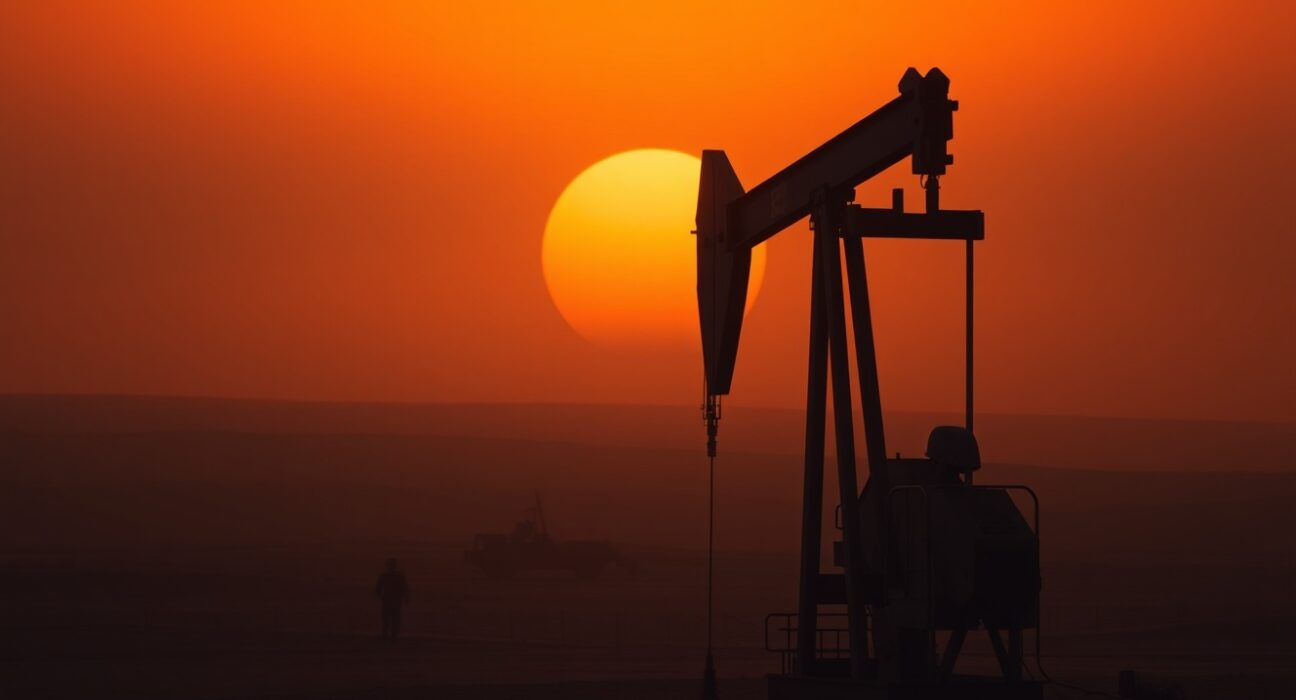
Bank of New York Mellon (BNY) has issued a warning that escalating tensions in the Middle East could revive the so-called ‘inflation channel’ through higher oil prices, reintroducing a significant risk to global inflation forecasts and central bank policy. The analysis, published as of early 2025, highlights that while inflation has moderated from its 2022 peaks, the geopolitical risk premium embedded in crude oil markets remains a volatile variable that could quickly reverse progress.
Geopolitical Risk and the Oil-Inflation Link
BNY’s research underscores the direct historical correlation between sustained spikes in crude oil prices and broader consumer price inflation. The bank notes that the current environment is distinct from the supply-driven shocks of 2022, but the potential for disruption to energy flows from the Middle East—whether through direct conflict, sanctions, or chokepoint threats—remains elevated. A sustained increase in oil prices would feed through to higher transportation and production costs, pressuring central banks to maintain or even tighten monetary policy.
Market Implications and Central Bank Calculus
For financial markets, the BNY analysis suggests that a renewed inflation channel would complicate the expected path of interest rate cuts in major economies. The bank points out that energy price stability has been a key factor in the disinflation trend of the past year. Any reversal would force a reassessment of inflation duration and peak interest rate expectations, potentially increasing volatility across equities, bonds, and currencies.
What This Means for Investors
Investors should monitor not only the spot price of crude but also the structure of the futures curve and volatility indices, as these can signal market expectations of sustained disruption. The BNY report advises that hedging against energy-driven inflation scenarios may be prudent, particularly for portfolios exposed to consumer discretionary and transportation sectors.
Conclusion
BNY’s analysis serves as a timely reminder that the global inflation battle is not yet won, and that geopolitical events in the Middle East retain the power to reshape the macroeconomic outlook. The bank’s warning reinforces the need for policymakers and market participants to remain vigilant to energy price dynamics as a key variable in the inflation equation.
FAQs
Q1: What is the ‘inflation channel’ that BNY is warning about?
A1: The inflation channel refers to the mechanism by which higher oil prices increase costs for transportation, manufacturing, and heating, which then feed through to higher consumer prices across a broad range of goods and services.
Q2: How would Middle East tensions specifically affect oil prices?
A2: Escalating tensions can disrupt supply from key producers in the region, threaten shipping routes like the Strait of Hormuz, or introduce a risk premium into oil futures as traders price in the possibility of future supply interruptions.
Q3: What does this mean for interest rates?
A3: If oil prices rise significantly and sustain, central banks may be forced to keep interest rates higher for longer to combat renewed inflationary pressure, delaying or reducing the scale of anticipated rate cuts.
Disclaimer: The information provided is not trading advice, Bitcoinworld.co.in holds no liability for any investments made based on the information provided on this page. We strongly recommend independent research and/or consultation with a qualified professional before making any investment decisions.
