

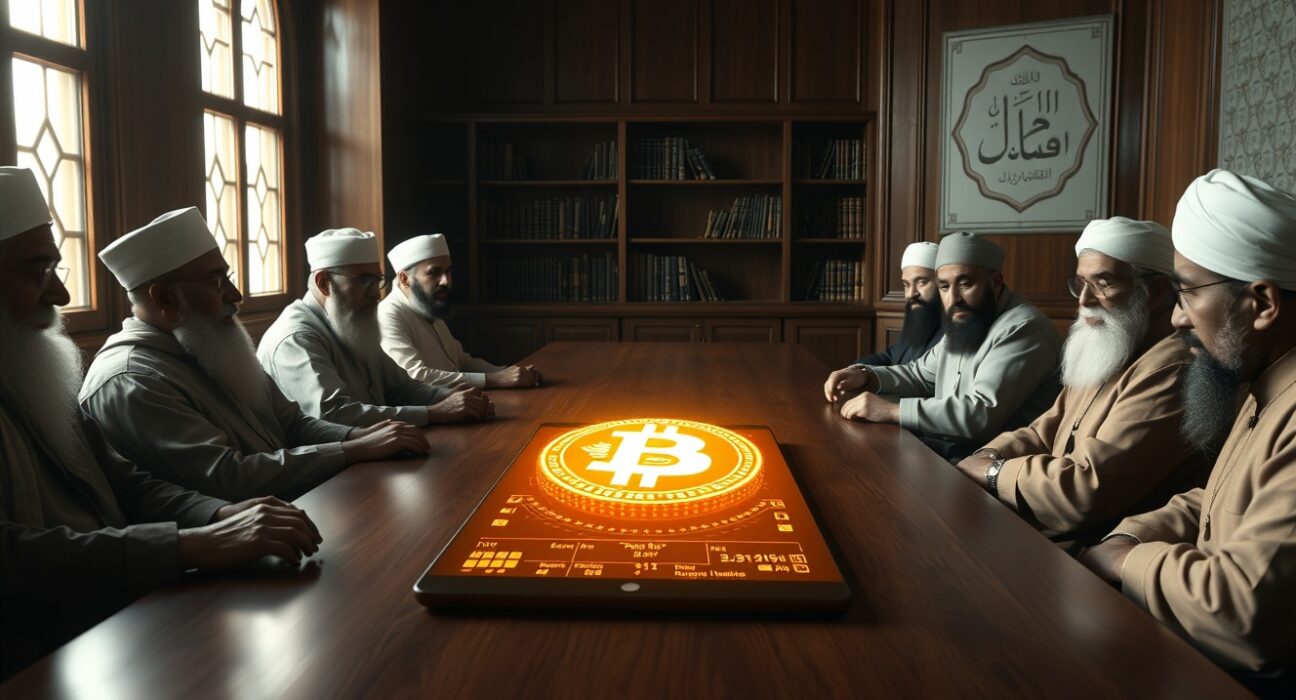
Pakistan is currently engaged in a pivotal debate over whether cryptocurrencies comply with Sharia, or Islamic law, a discussion that could determine the country’s future approach to digital assets. The conversation, reported by The Block, involves the country’s Virtual Asset Regulatory Authority (PVARA) and leading Sharia scholars.
The Core of the Sharia Objection
Some Sharia scholars have raised fundamental objections to cryptocurrencies, arguing that digital tokens are merely virtual ledger entries and are not recognized as property under Islamic jurisprudence. This perspective suggests that transactions conducted with crypto—such as purchasing a book—do not establish legal ownership of the physical item, potentially violating Sharia principles that require tangible asset backing for trade.
PVARA’s Nuanced Response
In response, PVARA has argued against a blanket ruling on all digital assets. The regulator has stated that different technologies—including blockchain networks, stablecoins, and tokenized real-world assets—serve distinct functions and should each undergo individual Sharia review. This case-by-case approach aims to avoid a single standard that could stifle innovation or unfairly penalize compliant uses of the technology.
Why This Matters for Pakistan’s Crypto Future
The outcome of this debate is expected to directly influence Pakistan’s cryptocurrency policies. The government is considering several initiatives, including the potential issuance of a state-run stablecoin and the formal licensing of cryptocurrency exchanges. A ruling that broadly declares crypto non-compliant with Sharia could halt these plans, while a more nuanced decision could open the door for regulated digital asset markets in a country with a large, young, and increasingly tech-savvy population.
Broader Implications for Islamic Finance
Pakistan’s debate is part of a larger global conversation within Islamic finance. Other Muslim-majority nations, including Malaysia, the UAE, and Saudi Arabia, have taken varying stances on digital assets. A clear, well-reasoned ruling from Pakistan’s scholars could set a precedent for other countries grappling with similar questions, potentially influencing the adoption of blockchain technology across the Islamic world.
Conclusion
As Pakistan’s regulators and religious scholars continue their discussions, the world is watching. The decision will not only affect Pakistan’s domestic crypto market but could also contribute to the evolving framework for Islamic digital finance globally. For now, the debate remains open, with PVARA emphasizing the need for technological nuance over blanket prohibition.
FAQs
Q1: Why is Sharia law relevant to cryptocurrency in Pakistan?
Pakistan’s legal system incorporates Islamic law, and any financial instrument must comply with Sharia principles to be permissible for Muslim users. A ruling against crypto could effectively ban its use in the country.
Q2: What is PVARA’s position on the debate?
PVARA has argued that different types of digital assets—such as stablecoins, tokenized assets, and blockchain networks—should be evaluated individually for Sharia compliance rather than being judged under a single, broad ruling.
Q3: Could Pakistan issue its own stablecoin?
Yes, the government is exploring the issuance of a state-run stablecoin. The outcome of the Sharia debate will likely determine whether such a project moves forward and how it is structured.
Disclaimer: The information provided is not trading advice, Bitcoinworld.co.in holds no liability for any investments made based on the information provided on this page. We strongly recommend independent research and/or consultation with a qualified professional before making any investment decisions.
