

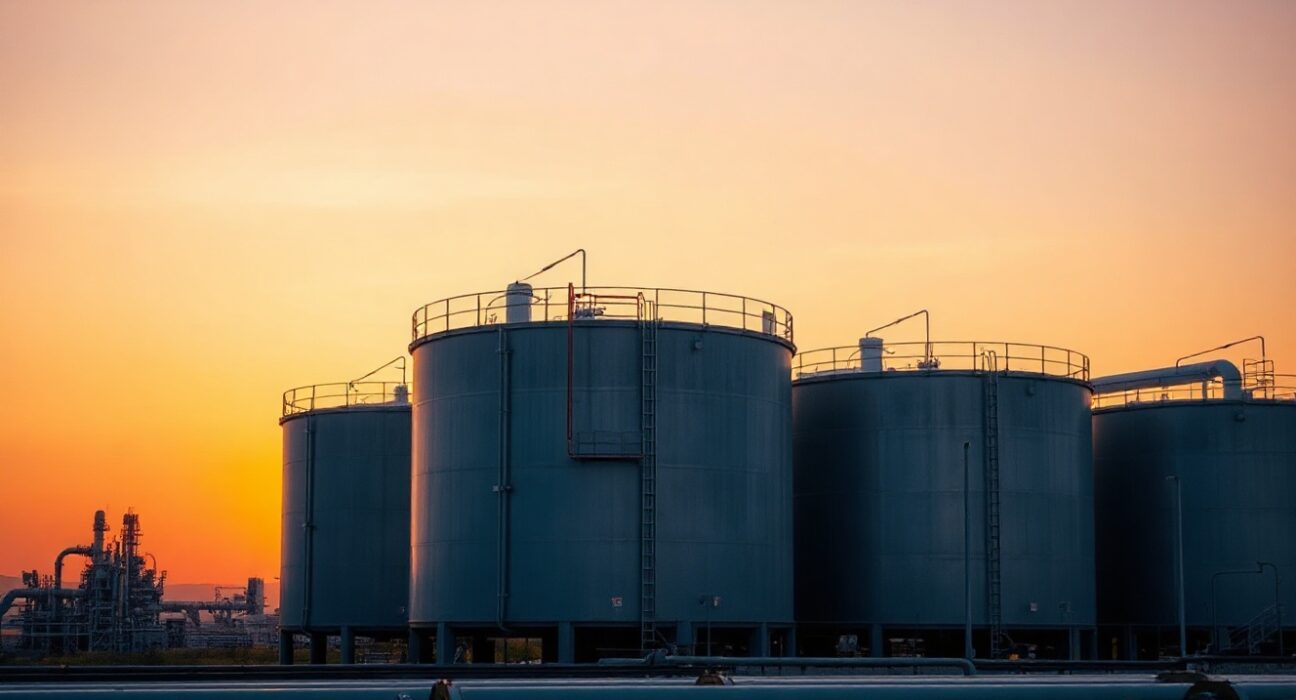
Prediction market platform Polymarket is signaling a sharp downturn in oil prices. Traders currently assign a 72.5% probability that West Texas Intermediate (WTI) crude futures will fall to $85 per barrel by the end of June — a significant increase of roughly nine percentage points from the previous day. The shift comes amid a confluence of bearish developments in global energy markets.
What Is Driving the Bearish Sentiment?
The primary catalyst appears to be reports that the United States and Iran have reached a principled agreement concerning the reopening of the Strait of Hormuz and the disposal of Iran’s stockpile of highly enriched uranium. Such a deal would likely increase global crude supply by allowing Iranian oil to re-enter international markets more freely, a move that typically pressures prices downward.
This geopolitical development is unfolding alongside tangible supply-side pressure. OPEC+ has confirmed plans to increase production quotas, adding more barrels to a market already grappling with softening demand. Simultaneously, several major forecasting agencies have revised their global oil demand projections downward, citing slower-than-expected economic growth in key consuming regions.
On-Chain Markets Reflect the Shift
The bearish outlook is not limited to Polymarket. On-chain data from Aster shows that CLUSDT, a perpetual futures contract tracking WTI crude, is currently trading at $91.81. This on-chain instrument provides a real-time, decentralized view of market expectations, and its current level suggests traders are already pricing in a decline from recent highs.
Why This Matters for Traders and the Broader Economy
A sustained drop in crude prices to $85 would have wide-ranging implications. For consumers, lower oil prices typically translate to reduced costs at the pump and lower transportation expenses, potentially easing inflationary pressures. For energy producers, however, it could squeeze margins and lead to reduced capital expenditure. The Polymarket probability shift indicates that a growing number of market participants view the combination of a potential US-Iran deal, OPEC+ output increases, and weakening demand as a powerful bearish cocktail.
Conclusion
While prediction markets are not infallible, the rapid adjustment in Polymarket’s odds reflects a real and growing consensus among informed traders. The convergence of diplomatic progress in the Middle East, increased production from major oil exporters, and deteriorating demand forecasts creates a compelling case for lower prices. Whether WTI actually reaches $85 by June will depend on the execution of the reported US-Iran agreement and whether OPEC+ maintains its current production trajectory.
FAQs
Q1: What is Polymarket and how does its crude oil prediction work?
Polymarket is a decentralized prediction market platform where users trade on the outcome of future events. In this case, traders are buying and selling shares that pay out if WTI crude futures settle at or below $85 per barrel by the end of June. The 72.5% probability reflects the current market price of those shares.
Q2: What is CLUSDT and how is it different from traditional WTI futures?
CLUSDT is an on-chain perpetual futures contract for WTI crude oil, traded on the Aster platform. Unlike traditional futures that have an expiration date, perpetual futures use a funding rate mechanism to keep the contract price close to the underlying spot price. It offers 24/7 trading and is accessible via blockchain wallets.
Q3: How would a US-Iran agreement on the Strait of Hormuz affect oil prices?
The Strait of Hormuz is a critical chokepoint through which about 20% of the world’s oil passes. An agreement that ensures its reopening and allows for the sale of Iranian oil would increase global supply, putting downward pressure on prices. Iran has significant production capacity that has been constrained by sanctions.
Disclaimer: The information provided is not trading advice, Bitcoinworld.co.in holds no liability for any investments made based on the information provided on this page. We strongly recommend independent research and/or consultation with a qualified professional before making any investment decisions.
