

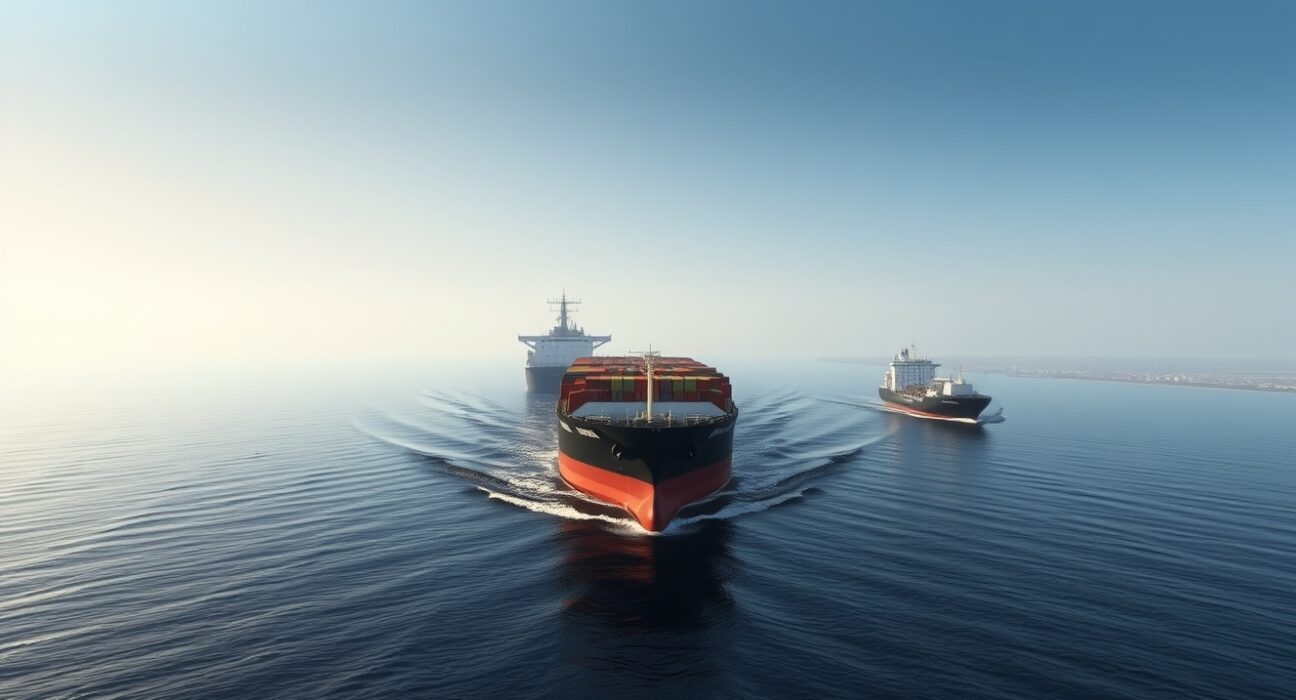
Qatar’s Ministry of Foreign Affairs has clarified that normal maritime traffic through the Strait of Hormuz has not resumed, pushing back against earlier reports suggesting a return to routine navigation. The statement, issued on [date if known, otherwise omit], underscores the fragile security situation in one of the world’s most critical energy chokepoints.
Background: Why the Strait of Hormuz Matters
The Strait of Hormuz, a narrow waterway between Iran and the Arabian Peninsula, handles roughly one-fifth of the world’s oil supply. Any disruption here directly impacts global energy markets, shipping insurance rates, and the economies of Gulf states. Recent weeks have seen heightened military activity and vessel seizures in the region, raising concerns among traders and insurers.
Qatar’s Position and Regional Context
Doha’s clarification is significant because Qatar, a major LNG exporter, relies heavily on the strait for its energy shipments. The foreign ministry’s statement suggests that while some vessels may be moving, the overall security environment remains unstable. This aligns with reports from maritime security firms that note continued naval patrols and irregular transit approvals.
Impact on Shipping and Energy Markets
For commercial shippers and energy traders, the absence of normal traffic means higher war risk premiums and longer voyage planning. Analysts warn that any sustained disruption could push oil prices higher, particularly if insurance costs spike. The situation also complicates supply chains for refined products moving through the Gulf.
Conclusion
Qatar’s statement serves as a reality check for markets and media that may have prematurely declared the strait safe. Until regional tensions ease and maritime protocols are fully restored, the Strait of Hormuz remains a high-risk transit zone. The coming weeks will be critical in determining whether diplomatic efforts can stabilize the waterway or if further disruptions lie ahead.
FAQs
Q1: Why did Qatar issue a statement about Hormuz traffic?
Qatar’s foreign ministry wanted to correct inaccurate reports that normal shipping had resumed, providing a more accurate picture of the ongoing security situation.
Q2: How does this affect global oil prices?
Any uncertainty in the Strait of Hormuz typically increases oil price volatility. Sustained disruption can lead to higher prices due to supply risk premiums.
Q3: What is the current status of shipping through the strait?
While some vessels are transiting, the process is not routine. Additional inspections, naval escorts, and delays are common, and normal commercial schedules have not been restored.
Disclaimer: The information provided is not trading advice, Bitcoinworld.co.in holds no liability for any investments made based on the information provided on this page. We strongly recommend independent research and/or consultation with a qualified professional before making any investment decisions.
