
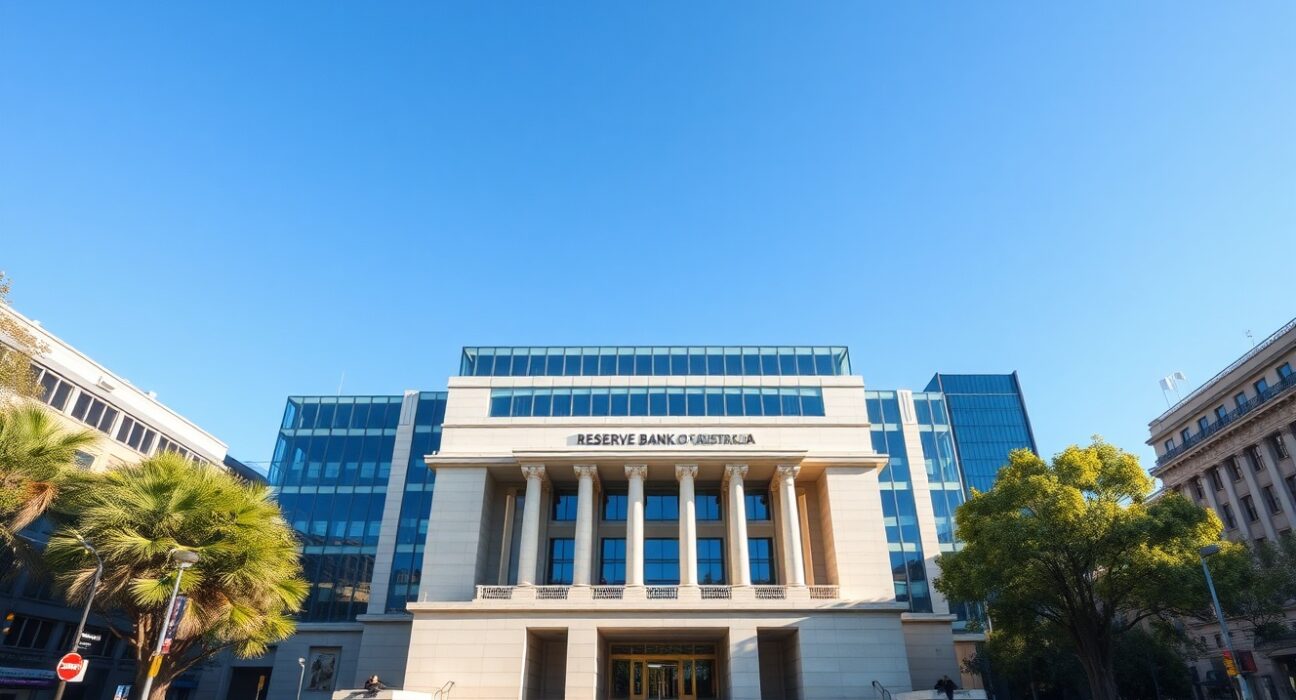
Sydney, Australia – The Reserve Bank of Australia (RBA) faces mounting pressure to implement another interest rate hike, a move directly forced by stubbornly high inflation and a destabilizing recent shock in global oil markets. Consequently, economists and markets now widely anticipate further monetary policy tightening at the upcoming board meeting. This decision will significantly impact mortgage holders, businesses, and the broader Australian economic outlook for 2025.
RBA Interest Rates Poised for Another Increase
The RBA’s monetary policy board is widely expected to lift the official cash rate again. Persistent inflationary pressures, particularly in services and housing, have proven more resilient than earlier forecasts suggested. Furthermore, the central bank maintains a clear mandate to return inflation to its target band of 2-3%. Therefore, consecutive rate hikes represent the primary tool to cool demand and anchor inflation expectations. Recent statements from Governor Michele Bullock have consistently emphasized the board’s resolve, signaling a data-dependent but unwavering approach.
Market pricing, as reflected in bond futures, currently assigns a high probability to a 25-basis-point increase. This adjustment would bring the cash rate to its highest level in over a decade. The trajectory of RBA interest rates remains a critical focus for financial stability. Analysts from major banks, including Westpac and the Commonwealth Bank, have revised their terminal rate forecasts upward in recent weeks.
High Inflation Drives Persistent Monetary Tightening
Underlying inflation in Australia has remained stubbornly above the RBA’s target for multiple quarters. Key drivers include rising labor costs, strong domestic demand for services, and elevated housing construction expenses. The latest Consumer Price Index (CPI) data confirmed that price pressures are broad-based.
- Services Inflation: This category, which includes healthcare, education, and hospitality, shows significant momentum and is typically slower to respond to rate hikes.
- Rental Market: Record-low vacancy rates across major cities continue to push rents higher, directly feeding into the CPI basket.
- Wage Growth: While moderating, wage increases remain above pre-pandemic averages, contributing to cost pressures for businesses.
The RBA’s most recent Statement on Monetary Policy highlighted these persistent risks. It noted that returning inflation to target is likely to take longer than previously anticipated, necessitating a higher-for-longer interest rate environment.
Expert Analysis on Inflationary Pressures
Dr. Sarah Hunter, Assistant Governor (Economic) at the RBA, recently outlined the complex inflation landscape. “The journey back to target is proving protracted,” Hunter stated in a public address. “While goods inflation has eased, the stickiness in services prices is a significant concern that the Board is monitoring closely.” Independent economists, such as those at the Australian National University, concur that the inflation Australia battle is in a critical phase where premature easing could undermine credibility.
Recent Oil Shock Adds Urgency to RBA Decision
A significant and unforeseen disruption in global oil supply has delivered a fresh inflationary shock. Geopolitical tensions in key producing regions have triggered a sharp spike in crude oil prices. This oil price shock directly increases costs for transportation, manufacturing, and energy, flowing through to consumer petrol prices and broader business inputs.
The following table illustrates the recent movement in key benchmarks:
| Benchmark | Price 3 Months Ago (USD/barrel) | Current Price (USD/barrel) | Change |
|---|---|---|---|
| Brent Crude | 82.50 | 94.80 | +14.9% |
| West Texas Intermediate | 78.20 | 91.50 | +17.0% |
| Tapis (Australia) | 85.10 | 98.40 | +15.6% |
This surge acts as a tax on consumers and a supply-side cost push for businesses. The RBA must now consider whether this shock is transient or will have more lasting second-round effects on inflation expectations. Historically, such energy price spikes have complicated central bank efforts to control inflation.
Impacts of Further Monetary Policy Tightening
The cumulative effect of successive RBA rate hikes is already flowing through the economy. Household budgets are under strain, particularly for those with variable-rate mortgages. Business investment plans are being reassessed due to higher financing costs. However, the RBA’s mandate prioritizes price stability over short-term growth concerns.
Key expected impacts include:
- Mortgage Stress: A further increase will add approximately $100 per month to repayments on an average $600,000 loan, compounding previous hikes.
- Consumer Spending: Discretionary retail and hospitality sectors are likely to see continued softening as households prioritize essentials.
- Currency Effects: Higher interest rates typically support the Australian dollar (AUD), which can help dampen imported inflation but may pressure export-oriented industries.
- Housing Market: Price growth is expected to moderate further, though a chronic supply shortage may prevent a significant correction.
The Treasury’s most recent forecasts already incorporate assumptions of slower GDP growth in the near term, a trade-off deemed necessary to restore price stability.
Conclusion
The Reserve Bank of Australia is set to lift RBA interest rates again in response to a dual challenge: entrenched domestic inflation and a new external oil price shock. This decision underscores the difficult trade-offs in monetary policy, balancing the need to quell inflation against the economic pain of higher borrowing costs. The path forward remains data-dependent, but the board’s recent communications leave little doubt about its immediate priority. The coming months will be crucial in determining whether this tightening cycle successfully guides inflation Australia back to target without triggering a severe economic downturn.
FAQs
Q1: Why is the RBA raising interest rates again?
The primary reason is persistently high inflation that remains above the bank’s 2-3% target band. A recent sharp rise in global oil prices has added further urgency, as it risks pushing inflation higher again.
Q2: How will this rate hike affect my mortgage?
If you have a variable-rate home loan, your monthly repayments will increase. The exact amount depends on your loan size and lender, but it compounds the increases from the previous rate hikes in this cycle.
Q3: What is causing inflation to stay so high in Australia?
Key drivers include strong demand for services (like travel and dining out), rising labor costs due to tight employment, high rental prices, and now increasing fuel and energy costs from the oil shock.
Q4: When will interest rates start to come down?
Most economists do not expect the RBA to begin cutting rates until there is clear and sustained evidence that inflation is returning to the target band. Current forecasts suggest this may not occur until late 2025 or 2026.
Q5: What can the government do to help with inflation?
Fiscal policy (government spending and taxation) can complement monetary policy. The government can aim for budget surpluses to reduce demand, invest in productivity-enhancing infrastructure, and implement policies to address specific supply-side issues like housing.
Disclaimer: The information provided is not trading advice, Bitcoinworld.co.in holds no liability for any investments made based on the information provided on this page. We strongly recommend independent research and/or consultation with a qualified professional before making any investment decisions.