
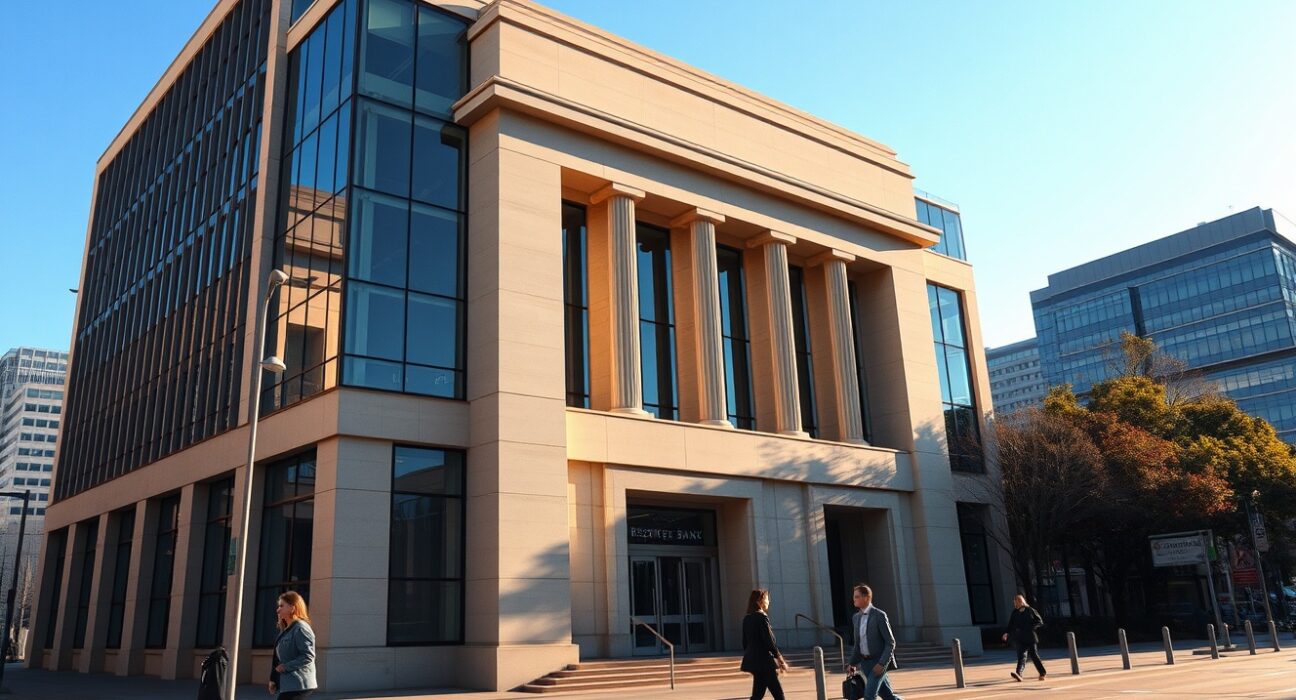
SYDNEY, Australia – April 2025: The Reserve Bank of Australia faces mounting pressure for a May interest rate increase according to fresh analysis from TD Securities, which highlights a narrowing policy divide among board members that could tip the scales toward tighter monetary conditions. This development comes amid persistent inflation concerns and shifting global economic dynamics that continue to challenge central bankers worldwide.
RBA’s Policy Dilemma: Analyzing the Close Split
Recent minutes from the Reserve Bank of Australia’s April meeting reveal a remarkably close division among policymakers. Consequently, the debate centers on whether current economic conditions warrant immediate action. TD Securities analysts note that while some board members advocate for patience, others see clear signals demanding intervention. This internal tension reflects broader uncertainties in Australia’s economic landscape.
Furthermore, the central bank must balance multiple competing priorities. Domestic inflation remains stubbornly above the 2-3% target band despite previous tightening measures. Simultaneously, global economic headwinds create additional complications for monetary policy decisions. The Australian dollar’s recent fluctuations also factor into these delicate calculations.
Economic Indicators Supporting a May Rate Hike
Several key metrics suggest the RBA may need to act decisively in May. First, inflation data continues to surprise on the upside. Second, employment figures remain robust, indicating sustained economic momentum. Third, consumer spending patterns show resilience despite previous rate increases. These factors collectively strengthen the case for additional monetary tightening.
TD Securities’ Analytical Framework
TD Securities employs a comprehensive methodology to assess RBA policy directions. Their analysis incorporates both traditional economic indicators and forward-looking market signals. The firm’s researchers examine swap market pricing, bond yield curves, and derivatives positioning to gauge market expectations. Additionally, they analyze historical policy patterns under similar economic conditions.
The table below summarizes key economic indicators relevant to the May decision:
| Indicator | Current Reading | RBA Target | Trend |
|---|---|---|---|
| Headline Inflation | 3.8% | 2-3% | Upward |
| Unemployment Rate | 3.9% | ~4% | Stable |
| Wage Growth | 4.2% | 3-4% | Moderating |
| GDP Growth | 1.5% | 2-3% | Slowing |
Global Context and Comparative Analysis
Australia’s monetary policy decisions occur within a complex international environment. Major central banks worldwide continue grappling with similar challenges. The Federal Reserve recently signaled a more cautious approach to rate cuts. Meanwhile, the European Central Bank maintains its restrictive stance. These global developments inevitably influence RBA deliberations.
Comparatively, Australia’s inflation trajectory differs from peer nations in important ways. Services inflation proves particularly persistent domestically. Housing costs continue rising despite previous interventions. Energy price volatility adds another layer of complexity. These distinctive characteristics help explain why Australian policymakers face unique pressures.
Market Implications and Financial Sector Impact
Potential RBA action carries significant consequences for financial markets. Banking sector margins could benefit from higher interest rates. Conversely, highly leveraged borrowers face increased strain. Property markets may experience additional cooling effects. Equity valuations often respond negatively to unexpected tightening measures.
Bond markets already price in substantial probability of a May move. Yield curves have steepened in anticipation. Currency markets show heightened sensitivity to RBA communications. Derivatives positioning indicates growing hedging activity against rate increases. These market signals provide valuable context for understanding policy probabilities.
Historical Precedents and Policy Patterns
The RBA’s current situation bears similarities to previous policy crossroads. Historical analysis reveals patterns in how the central bank responds to persistent inflation. Typically, the bank demonstrates willingness to act when multiple indicators align. However, policymakers also show caution during periods of global uncertainty.
Several key factors distinguish the current environment from past episodes:
- Household debt levels remain near historical highs
- Global supply chains show signs of renewed stress
- Climate-related disruptions affect agricultural and energy sectors
- Geopolitical tensions create additional economic uncertainty
Expert Perspectives and Alternative Scenarios
Financial economists offer varying interpretations of the RBA’s likely path. Some emphasize the risks of acting too aggressively. Others highlight dangers of delayed response to inflation. TD Securities represents the latter perspective, arguing that preemptive action prevents more painful adjustments later.
Alternative scenarios deserve consideration alongside the base case. The RBA might opt for a smaller 15 basis point increase rather than the standard 25. Alternatively, policymakers could strengthen forward guidance without immediate rate changes. A third possibility involves maintaining current rates while signaling future tightening.
Conclusion
The Reserve Bank of Australia faces a critical decision in May amid closely divided internal opinions. TD Securities analysis suggests mounting evidence favors additional tightening. Persistent inflation, robust employment, and global monetary trends collectively pressure policymakers. Ultimately, the RBA’s choice will significantly impact Australia’s economic trajectory. Market participants should prepare for potential volatility surrounding the announcement.
FAQs
Q1: What does TD Securities mean by a ‘close split’ at the RBA?
The term refers to narrowly divided opinions among Reserve Bank board members regarding appropriate monetary policy. Some advocate for immediate rate increases while others prefer maintaining current settings, creating uncertainty about the May decision.
Q2: How likely is a May rate hike according to current market pricing?
Financial markets currently price approximately 65% probability of a rate increase in May, based on overnight index swap pricing and futures market positioning. This represents a significant increase from previous months.
Q3: What economic indicators most influence RBA decisions?
The RBA primarily focuses on inflation data, employment figures, wage growth, and GDP trends. Recently, services inflation and housing costs have received particular attention due to their persistence above target levels.
Q4: How do global central bank actions affect RBA policy?
International monetary policy creates important context for Australian decisions. The RBA considers actions by the Federal Reserve, European Central Bank, and other major institutions to maintain appropriate interest rate differentials and currency stability.
Q5: What would prevent the RBA from raising rates in May?
Significant deterioration in employment data, unexpected decline in inflation readings, or major global economic shocks could cause the RBA to delay tightening. The bank also monitors household debt sensitivity to rate changes.
Disclaimer: The information provided is not trading advice, Bitcoinworld.co.in holds no liability for any investments made based on the information provided on this page. We strongly recommend independent research and/or consultation with a qualified professional before making any investment decisions.