

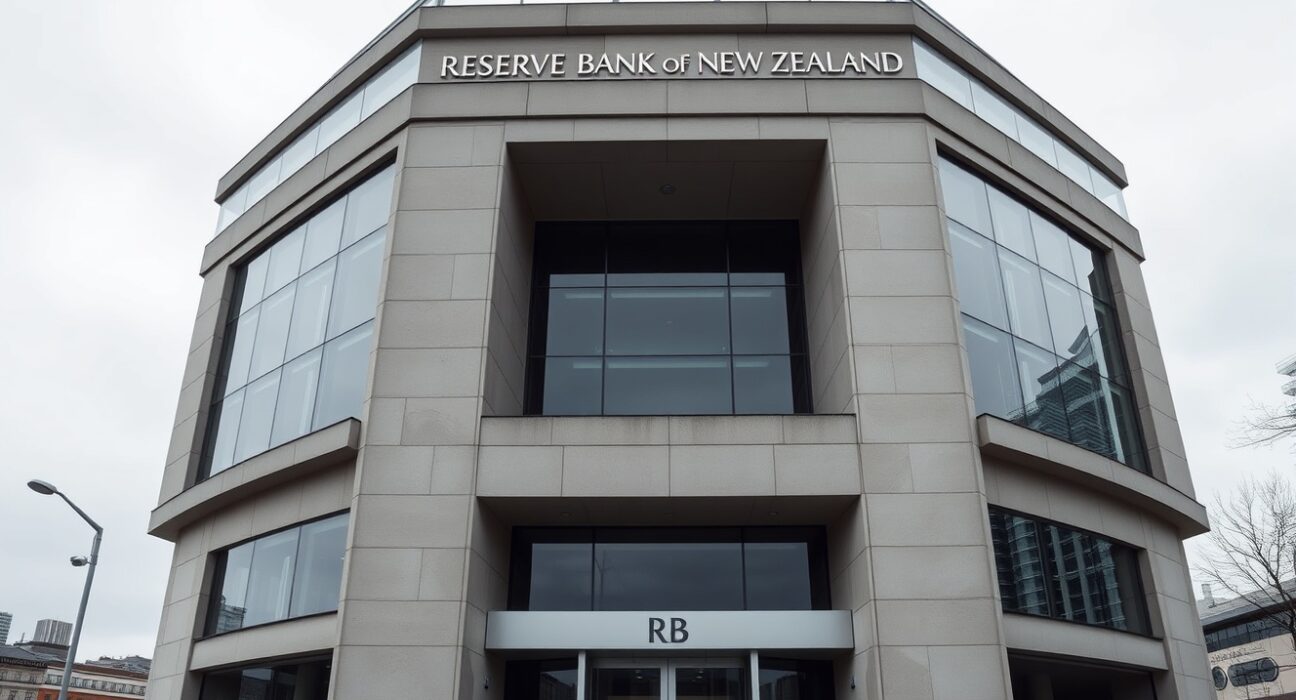
The Reserve Bank of New Zealand (RBNZ) is navigating a complex trade-off between rising insurance premiums and broader financial stability, according to a recent analysis from ING. The bank’s assessment underscores the growing pressure on households and businesses as insurance costs climb, potentially amplifying economic vulnerabilities.
Insurance Costs as a Systemic Risk
ING’s analysis points to a scenario where sustained increases in insurance premiums could strain household budgets and corporate balance sheets, particularly in sectors heavily reliant on coverage such as agriculture, construction, and property. The RBNZ, tasked with maintaining financial stability, must weigh the risk of insurers passing on higher reinsurance and climate-related costs against the potential for reduced economic activity or increased loan defaults.
New Zealand has experienced a sharp rise in insurance premiums over the past two years, driven by global reinsurance market tightening, increased frequency of extreme weather events, and higher construction costs. The RBNZ has flagged these trends in its Financial Stability Reports, noting that while the insurance sector remains well-capitalized, affordability and availability are emerging as concerns.
ING’s Perspective on the Policy Challenge
ING economists suggest that the RBNZ may need to adopt a more nuanced approach, potentially incorporating insurance market dynamics into its macroprudential toolkit. This could include stress-testing banks’ exposure to uninsured or underinsured borrowers, or monitoring the impact of premium hikes on household debt servicing capacity.
The analysis comes as the RBNZ prepares for its next Monetary Policy Statement, with markets closely watching for any shifts in language around financial stability risks. While the central bank’s primary focus remains inflation control, the interplay between insurance costs and economic resilience is gaining attention among policymakers.
Implications for Homeowners and Businesses
For New Zealand homeowners, rising insurance premiums add to the cost of living pressures already driven by high mortgage rates and inflation. Businesses, particularly in flood-prone regions, face higher operational costs or the risk of being unable to secure adequate coverage. ING’s report highlights that if left unaddressed, these trends could lead to a gradual erosion of financial buffers, making the economy more susceptible to shocks.
Conclusion
The RBNZ’s balancing act reflects a broader global challenge as central banks grapple with climate-related financial risks. ING’s analysis serves as a timely reminder that insurance markets are no longer a peripheral concern but a core component of financial stability oversight. The coming months will test whether the RBNZ can calibrate its policies to mitigate these emerging risks without stifling economic growth.
FAQs
Q1: Why is the RBNZ concerned about insurance premium hikes?
Higher insurance premiums can strain household and business finances, potentially leading to higher loan defaults and reduced economic activity, which threatens financial stability.
Q2: What factors are driving insurance cost increases in New Zealand?
Key drivers include global reinsurance market tightening, more frequent extreme weather events linked to climate change, and rising construction and repair costs.
Q3: How might the RBNZ respond to these risks?
The RBNZ could incorporate insurance market dynamics into its macroprudential framework, such as monitoring banks’ exposure to uninsured borrowers or adjusting capital requirements.
Disclaimer: The information provided is not trading advice, Bitcoinworld.co.in holds no liability for any investments made based on the information provided on this page. We strongly recommend independent research and/or consultation with a qualified professional before making any investment decisions.
