

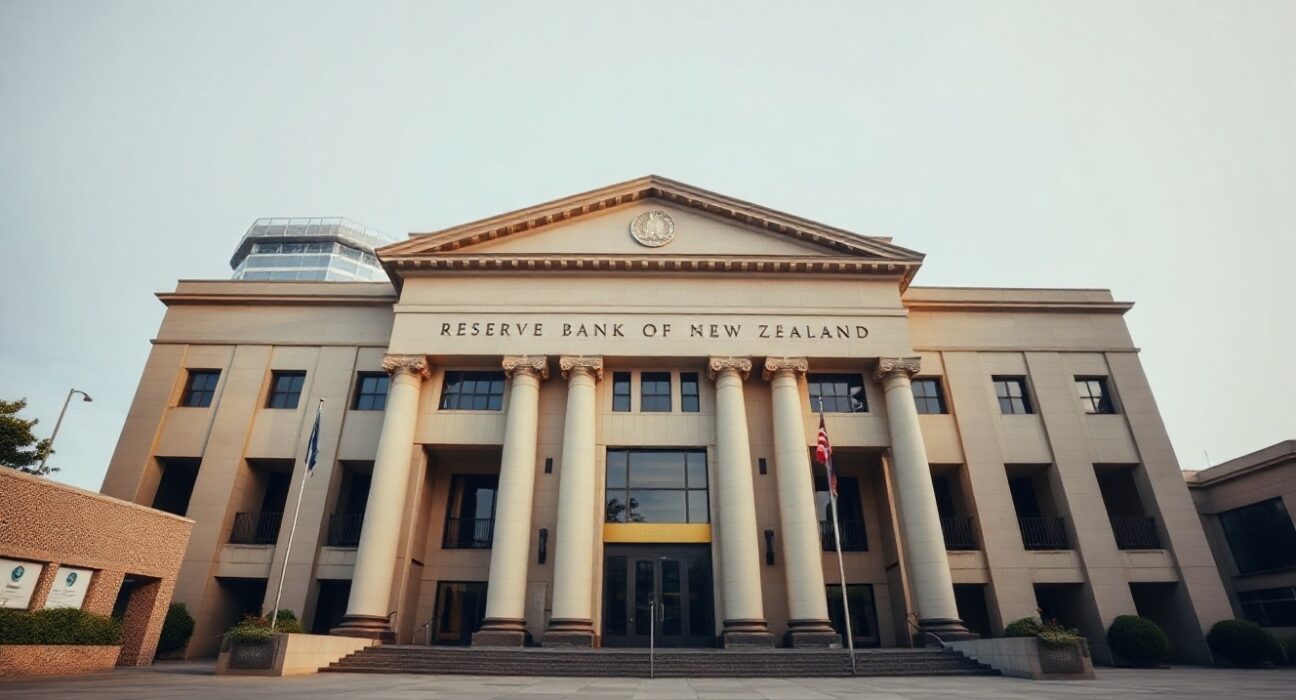
The Reserve Bank of New Zealand (RBNZ) has signaled that interest rates may need to increase sooner and more aggressively than previously anticipated, marking a notable hawkish pivot in its latest policy communication. The shift reflects growing concern over persistent domestic inflation pressures and a tighter labor market, even as global economic headwinds persist.
Hawkish Tone Emerges from Latest RBNZ Review
In its most recent monetary policy statement, the RBNZ indicated that the Official Cash Rate (OCR) could rise at a faster pace if inflation does not moderate as expected. The bank noted that capacity pressures in the economy remain elevated and that near-term inflation expectations have edged higher, reducing the scope for a patient approach.
Markets reacted immediately, with swap rates jumping and the New Zealand dollar strengthening against major peers. Analysts now price in a higher probability of a 50-basis-point hike at the next meeting, rather than the previously expected 25-basis-point move.
What Is Driving the RBNZ’s Urgency?
Several factors underpin the central bank’s more assertive stance. Non-tradeable inflation—covering domestic services and housing-related costs—has proven stickier than forecast. The labor market remains historically tight, with the unemployment rate near record lows and wage growth accelerating. These domestic pressures are compounded by a housing market that, while cooling, has not yet adjusted enough to ease inflation expectations.
Additionally, the RBNZ is wary of the lag effect of monetary policy. By front-loading rate increases, the bank aims to prevent inflation from becoming entrenched, even if it risks a sharper slowdown in economic activity.
Impact on Borrowers and the Housing Market
For mortgage holders, the RBNZ’s hawkish shift means further pain is likely. Floating and short-term fixed mortgage rates are expected to rise in the coming months, adding to the financial pressure on households already grappling with higher living costs. The housing market, which has already seen price declines in some regions, could face additional downward pressure as borrowing costs climb.
Businesses, particularly those in rate-sensitive sectors like construction and retail, may also feel the pinch as investment and consumer spending cool. The RBNZ has acknowledged that a period of below-trend growth is necessary to rebalance the economy and bring inflation back to its 1–3 percent target band.
Conclusion
The RBNZ’s latest communication represents a clear warning that the path to taming inflation will require more aggressive action. While the exact timing and magnitude of future hikes remain data-dependent, the direction is unmistakable. For New Zealand households, businesses, and financial markets, the era of cheap money is decisively over, and the adjustment phase is accelerating.
FAQs
Q1: Why is the RBNZ considering faster rate hikes?
The RBNZ is concerned that domestic inflation pressures, particularly in services and housing, are proving more persistent than expected. A tight labor market and rising wage growth are adding to the risk that inflation becomes entrenched, prompting the bank to consider a more aggressive tightening path.
Q2: How might faster rate hikes affect mortgage rates?
If the RBNZ raises the OCR sooner and faster, banks are likely to pass on the increase to borrowers. Floating and short-term fixed mortgage rates would rise, increasing monthly repayments for homeowners and potentially reducing borrowing capacity for new buyers.
Q3: What does this mean for the New Zealand dollar?
A more hawkish RBNZ typically supports the New Zealand dollar, as higher interest rates attract foreign capital seeking better returns. The NZD strengthened following the latest policy statement, and further gains are possible if the bank delivers on its hawkish signals.
Disclaimer: The information provided is not trading advice, Bitcoinworld.co.in holds no liability for any investments made based on the information provided on this page. We strongly recommend independent research and/or consultation with a qualified professional before making any investment decisions.
