

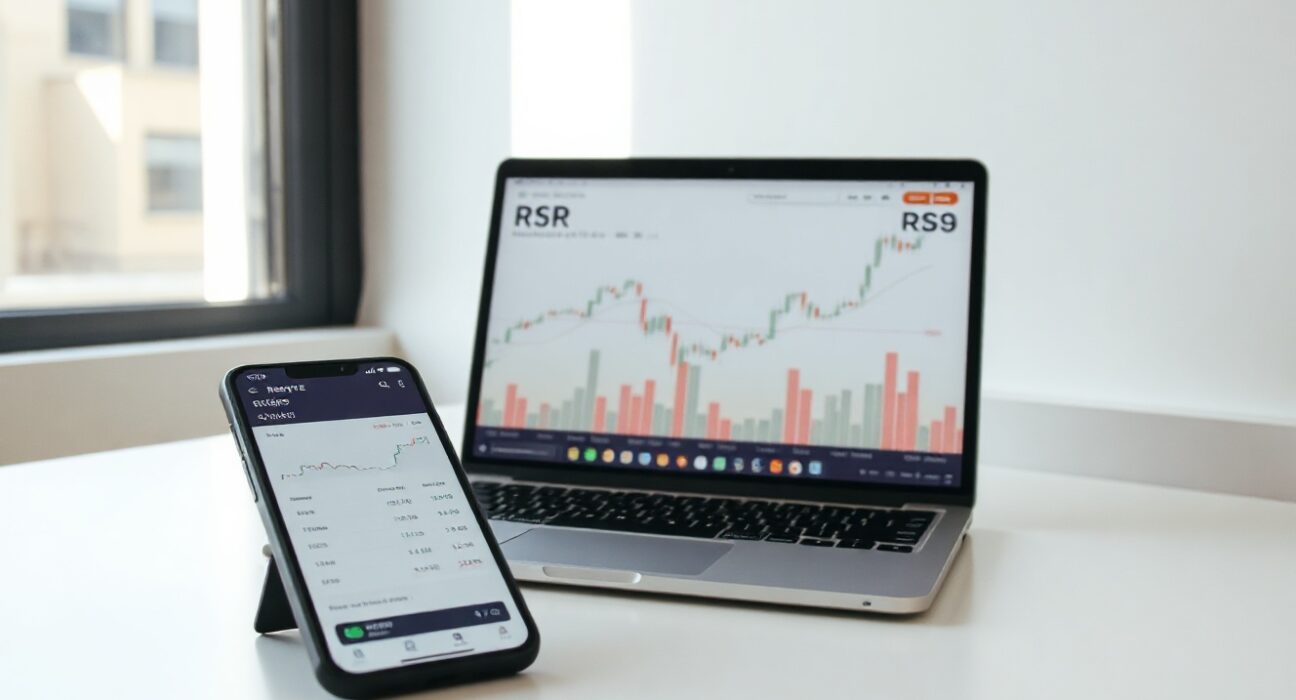
Reserve Rights (RSR) is the native token of the Reserve Protocol, a decentralized platform designed to create and manage asset-backed stablecoins. As the cryptocurrency market matures, many investors are evaluating RSR’s potential price trajectory from 2026 through 2030. This article provides a factual, data-driven analysis of the factors that could influence RSR’s value, without speculative hype or unsubstantiated claims.
Understanding Reserve Rights and Its Utility
Reserve Rights serves two primary functions within the Reserve ecosystem: it is used for governance, allowing token holders to vote on protocol changes, and it acts as a collateral token to back the Reserve stablecoin (RSV). The protocol’s core mission is to provide a stable, decentralized digital currency that is resistant to inflation, particularly in regions with unstable fiat currencies. This real-world use case differentiates RSR from many tokens that lack tangible utility.
Key Factors Influencing RSR Price from 2026 to 2030
Several fundamental factors will shape RSR’s price over the coming years. First, adoption of the Reserve Protocol by merchants and users in emerging economies could drive demand for RSV and, consequently, RSR. Second, regulatory clarity around stablecoins and decentralized finance (DeFi) will impact the protocol’s ability to operate and expand. Third, the overall health of the cryptocurrency market, including Bitcoin and Ethereum trends, often correlates with altcoin performance. Finally, the team’s ability to execute on its roadmap, including partnerships and technical upgrades, remains critical.
Market Sentiment and Historical Performance
RSR has experienced significant volatility since its launch, reaching an all-time high of approximately $0.12 in April 2021 before declining amid broader market corrections. Historical price action shows that RSR is highly sensitive to market cycles, news events, and changes in the DeFi landscape. While past performance does not guarantee future results, understanding these patterns helps contextualize potential price ranges.
Potential Scenarios for RSR Price (2026–2030)
Any price prediction for RSR must acknowledge inherent uncertainty. In a bullish scenario where the Reserve Protocol gains widespread adoption and regulatory frameworks become favorable, RSR could potentially trade in a range of $0.05 to $0.15 by 2026, with gradual growth toward $0.20 to $0.40 by 2030. In a bearish scenario, where adoption stalls or regulatory headwinds emerge, RSR might trade between $0.01 and $0.03 through 2030. A neutral scenario, reflecting steady but moderate growth, could see RSR ranging from $0.02 to $0.08 over the same period. These figures are based on market analysis and are not financial advice.
Is RSR Token a Good Investment?
Investing in RSR carries risks common to all cryptocurrencies, including market volatility, regulatory uncertainty, and technological risks. The token’s value is closely tied to the success of the Reserve Protocol, which faces competition from other stablecoin projects like MakerDAO’s DAI and Circle’s USDC. Potential investors should conduct thorough research, consider their risk tolerance, and diversify their portfolios. RSR may appeal to those who believe in the long-term need for decentralized, asset-backed stablecoins in underbanked regions.
Conclusion
Reserve Rights (RSR) presents a unique value proposition within the cryptocurrency space, focusing on stablecoin infrastructure and financial inclusion. Price predictions for 2026–2030 remain speculative, but the token’s fundamentals, including its utility and real-world application, provide a basis for informed evaluation. As always, investors should rely on verified data and avoid making decisions based on hype or unsubstantiated forecasts.
FAQs
Q1: What is the main purpose of the Reserve Rights (RSR) token?
RSR is used for governance of the Reserve Protocol and as collateral to back the Reserve stablecoin (RSV). It helps maintain the stability and decentralization of the ecosystem.
Q2: Can RSR reach $1 by 2030?
Reaching $1 would require a market capitalization of over $10 billion, which is possible but highly dependent on massive adoption and favorable market conditions. Most analysts consider it unlikely without extraordinary growth.
Q3: What are the main risks of investing in RSR?
Key risks include regulatory changes affecting stablecoins, competition from other DeFi protocols, market volatility, and the project’s ability to execute its roadmap. Investors should only risk capital they can afford to lose.
Disclaimer: The information provided is not trading advice, Bitcoinworld.co.in holds no liability for any investments made based on the information provided on this page. We strongly recommend independent research and/or consultation with a qualified professional before making any investment decisions.
