

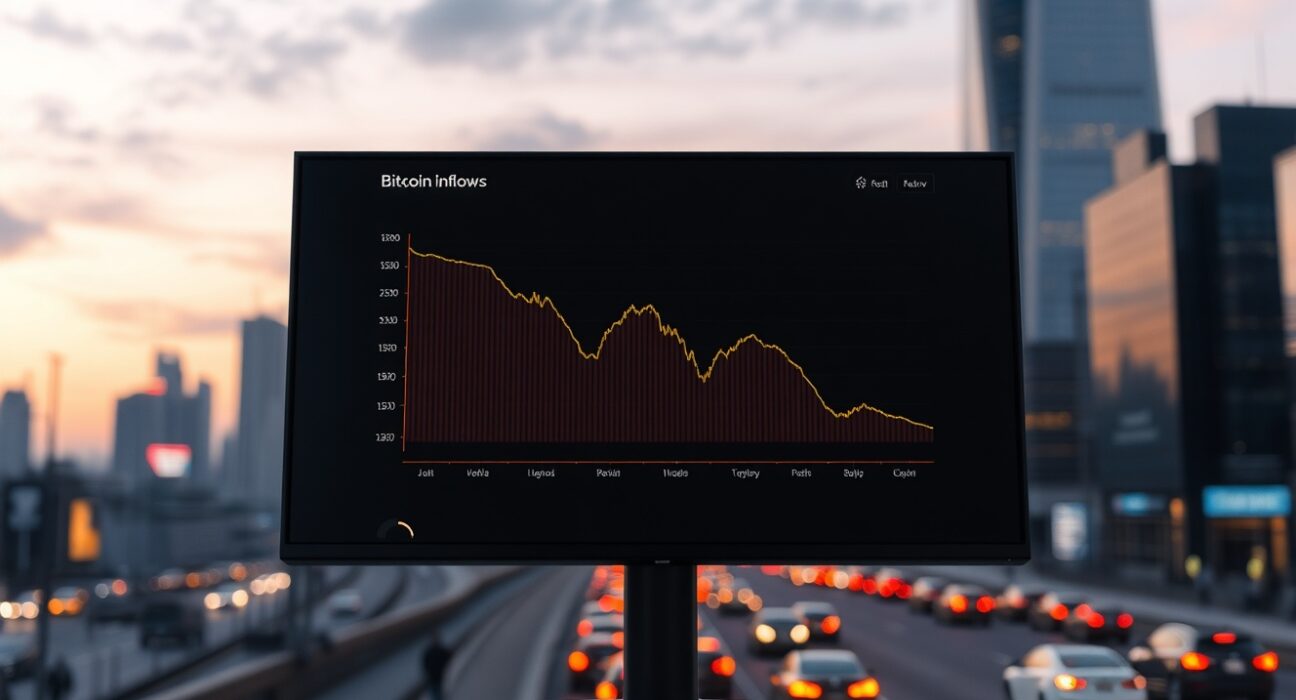
Bitcoin inflows to Binance from retail investors have fallen to an unprecedented low, according to new on-chain data shared by analyst Darkfost. The average monthly inflow from wallets holding less than one Bitcoin now stands at just 314 BTC, a sharp decline from historical levels.
Data Reveals Steep Decline in Retail Participation
Darkfost’s analysis highlights a dramatic shift in retail behavior. During the current cycle’s market bottom, monthly inflows averaged around 1,800 BTC. In March 2024, that figure was approximately 1,200 BTC. The latest reading of 314 BTC represents a drop of over 80% from the cycle low.
For broader context, retail investor inflows were as high as 5,400 BTC in 2018 and 2,600 BTC in 2021. Even as recently as January of this year, inflows were near 1,000 BTC before collapsing to less than a third of that level.
Possible Explanations for the Shift
The analyst suggested two primary factors behind the decline. Some retail investors may have exited the market entirely, while others could be shifting their exposure through spot Bitcoin exchange-traded funds (ETFs), which offer a regulated alternative to direct exchange purchases.
This trend aligns with broader market observations of declining on-chain activity among smaller holders, even as institutional interest remains relatively robust.
What This Means for the Market
The drop in retail inflows to Binance, one of the world’s largest cryptocurrency exchanges, signals a potential maturation of the investor base. It also raises questions about the sustainability of Bitcoin’s price support, which has historically relied on a mix of retail and institutional demand.
If retail investors are indeed migrating to ETFs, the data may reflect a structural change in how individuals gain Bitcoin exposure rather than a simple loss of interest.
Conclusion
The record low in retail Bitcoin inflows to Binance underscores a significant behavioral shift among smaller investors. Whether driven by market fatigue, regulatory concerns, or the growing appeal of ETFs, the trend warrants close monitoring as it could reshape liquidity dynamics and price discovery on centralized exchanges.
FAQs
Q1: What is the significance of retail Bitcoin inflows to Binance?
Retail inflows measure the amount of Bitcoin deposited by small holders, typically those with less than one BTC. A decline suggests reduced buying pressure from individual investors.
Q2: Why are retail inflows dropping?
Possible reasons include investors exiting the market, moving funds to self-custody, or shifting to spot Bitcoin ETFs as a more regulated alternative.
Q3: How does this compare to previous cycles?
Current inflows of 314 BTC are far below the 5,400 BTC seen in 2018 and 2,600 BTC in 2021, indicating a structural change in retail participation.
Disclaimer: The information provided is not trading advice, Bitcoinworld.co.in holds no liability for any investments made based on the information provided on this page. We strongly recommend independent research and/or consultation with a qualified professional before making any investment decisions.
