

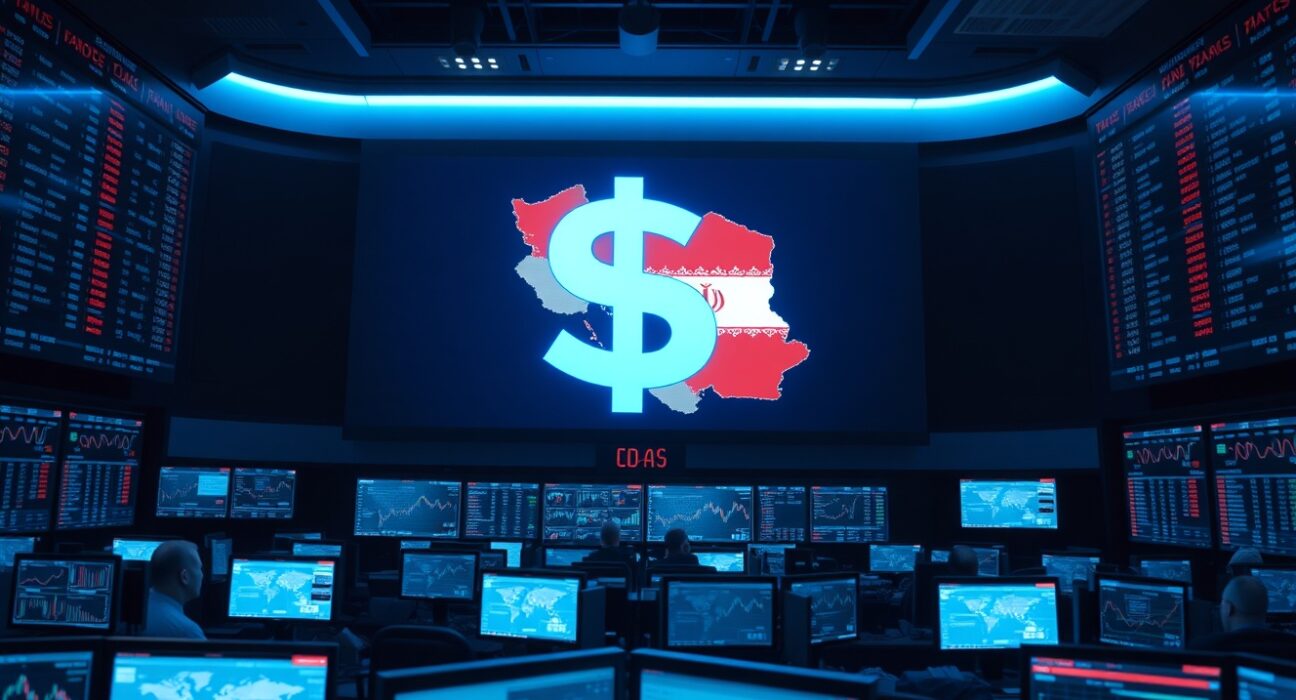
The U.S. dollar edged lower on Tuesday as a broader risk-on sentiment swept through global markets, while President Donald Trump confirmed he is nearing a final decision on the future of the Iran nuclear deal. The combination of renewed investor appetite for higher-yielding assets and geopolitical uncertainty around Tehran has created a complex backdrop for currency traders.
Dollar Under Pressure as Risk Appetite Returns
The greenback weakened against a basket of major currencies, including the euro, British pound, and commodity-linked currencies such as the Australian and Canadian dollars. Analysts attribute the move to improving global growth expectations and a temporary easing of trade war fears, which have encouraged investors to move out of safe-haven assets like the dollar. The dollar index, which measures the currency against six major peers, fell 0.3% in afternoon trading, extending its decline from last week’s highs.
Trump’s Iran Decision Looms Large
Speaking to reporters at the White House, President Trump said he would make a final decision on whether to reimpose sanctions on Iran and effectively withdraw from the 2015 nuclear accord. The deal, formally known as the Joint Comprehensive Plan of Action (JCPOA), was signed between Iran and six world powers. Trump has long criticized it as flawed, arguing it does not address Iran’s ballistic missile program or its regional activities.
“We’ll be making a decision very soon,” Trump said, without providing a specific timeline. His comments come ahead of a May 12 deadline to waive sanctions on Iran, a key requirement under the deal. European allies, including France, Germany, and the United Kingdom, have urged the U.S. to remain in the agreement, warning that withdrawal could destabilize the region and undermine nonproliferation efforts.
Market and Geopolitical Implications
The prospect of renewed U.S. sanctions on Iran has already pushed oil prices higher, with Brent crude trading near $75 per barrel. A full withdrawal from the JCPOA could further tighten global oil supplies, especially if Iran’s exports are curtailed. For currency markets, the interplay between rising oil prices and a weaker dollar creates a mixed signal. Higher oil prices typically support the dollar over the long term by increasing demand for dollar-denominated assets, but the immediate risk-on mood has overshadowed that effect.
Investors are also watching for any retaliatory measures from Iran, which has threatened to restart aspects of its nuclear program if the deal collapses. Such a development would escalate tensions in the Middle East and could trigger a fresh flight to safety, reversing the current risk-on trend.
What This Means for Traders
For forex traders, the near-term outlook remains data-dependent. Key U.S. economic releases this week, including nonfarm payrolls and manufacturing data, will provide further clues on the Federal Reserve’s policy path. However, the Iran decision remains the dominant geopolitical wild card. A clean withdrawal from the JCPOA could spike volatility across currency pairs, particularly those tied to oil, such as the Canadian dollar and Norwegian krone.
Conclusion
The dollar’s weakness reflects a broader market shift toward riskier assets, but the Trump administration’s impending decision on the Iran nuclear deal injects a layer of geopolitical uncertainty that could quickly reverse sentiment. Traders should brace for heightened volatility as the May 12 deadline approaches, with oil prices and safe-haven flows likely to drive near-term currency movements.
FAQs
Q1: Why is the dollar falling despite strong U.S. economic data?
Risk-on sentiment has encouraged investors to move out of safe-haven currencies like the dollar into higher-yielding assets. This shift often occurs when global growth expectations improve and trade tensions ease, even if U.S. data remains solid.
Q2: How could Trump’s decision on the Iran deal affect oil prices?
If the U.S. withdraws and reimposes sanctions, Iranian oil exports could drop significantly, tightening global supply and pushing prices higher. Brent crude has already risen in anticipation of this outcome.
Q3: What currency pairs are most sensitive to the Iran situation?
Pairs involving oil-linked currencies, such as USD/CAD and USD/NOK, are most directly affected. Safe-haven currencies like the Japanese yen and Swiss franc could also strengthen if geopolitical tensions escalate sharply.
Disclaimer: The information provided is not trading advice, Bitcoinworld.co.in holds no liability for any investments made based on the information provided on this page. We strongly recommend independent research and/or consultation with a qualified professional before making any investment decisions.
