

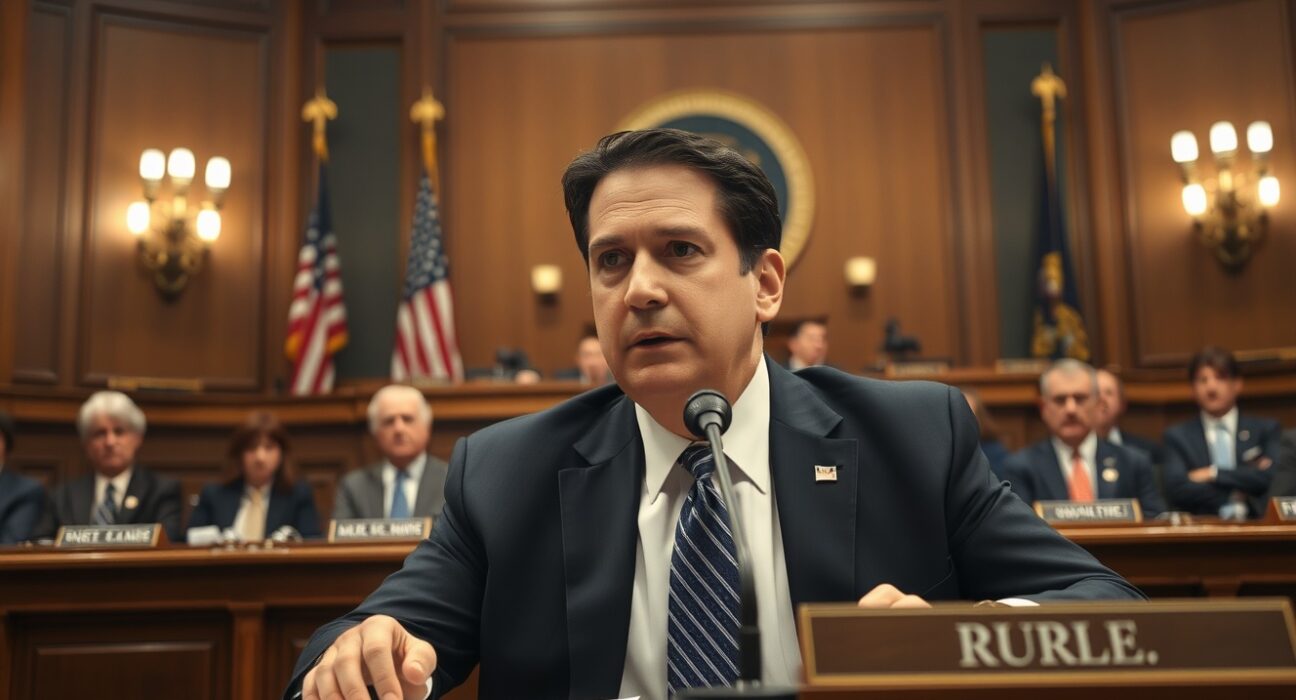
U.S. Secretary of State Marco Rubio informed lawmakers on June 2 that diplomatic negotiations with Iran remain active, though he offered no firm timeline for a potential agreement. Testifying before the Senate Foreign Relations Committee in his first congressional appearance since the U.S. and Israel launched a major military operation against Iran in late February, Rubio described the talks as ongoing but cautioned that a final deal is not guaranteed.
Key Developments in Nuclear Talks
Rubio revealed that Iran has agreed to negotiate on parts of its nuclear program, marking a notable shift from its previous refusal to engage in dialogue. This concession, while significant, does not ensure a swift resolution. “An agreement could be reached today, tomorrow, or next week,” Rubio stated, “but there is no guarantee that a final deal requiring congressional ratification will be reached.” The Secretary emphasized that any potential agreement would ultimately require approval from the U.S. Congress, adding a layer of procedural uncertainty to the diplomatic process.
Sanctions and the Strait of Hormuz
Addressing questions from lawmakers, Rubio clarified that the United States has not offered to lift sanctions or allow Iran to access frozen assets in exchange for reopening the Strait of Hormuz. The strategic waterway, a critical chokepoint for global oil shipments, has been a point of tension in recent months. Rubio stressed that any sanctions relief must be conditional on resolving the issues with Iran’s nuclear program, which he described as the original justification for the sanctions. “That was the reason for the sanctions,” he said, reinforcing the administration’s position that economic pressure will remain until substantive nuclear compliance is achieved.
Why This Matters
The outcome of these negotiations carries significant implications for global energy markets, regional stability in the Middle East, and the broader non-proliferation framework. The reopening of the Strait of Hormuz, in particular, is a key concern for oil-dependent economies and shipping industries worldwide. For investors and policymakers, the uncertainty surrounding the timing of a deal introduces volatility into an already complex geopolitical landscape. The requirement for congressional ratification also means that domestic U.S. politics will play a decisive role in any final agreement.
Conclusion
Secretary Rubio’s testimony underscores the delicate balance the Biden administration must strike between diplomatic engagement and maintaining pressure on Iran. While the shift in Iran’s willingness to negotiate is a positive development, the path to a comprehensive agreement remains fraught with obstacles. The coming weeks will be critical in determining whether these talks yield a tangible breakthrough or become another chapter in the long-running standoff between Washington and Tehran.
FAQs
Q1: Has Iran agreed to negotiate on its nuclear program?
Yes, according to Secretary Rubio, Iran has agreed to negotiate on parts of its nuclear program, a change from its previous refusal to engage in dialogue.
Q2: Will the U.S. lift sanctions to secure a deal on the Strait of Hormuz?
No. Rubio stated that the U.S. has not offered to lift sanctions or allow the use of frozen assets in exchange for reopening the Strait of Hormuz. Any sanctions relief is conditional on resolving nuclear program issues.
Q3: Does a potential U.S.-Iran deal require congressional approval?
Yes. Rubio noted that any final agreement would require ratification by the U.S. Congress, adding a significant procedural step to the process.
Disclaimer: The information provided is not trading advice, Bitcoinworld.co.in holds no liability for any investments made based on the information provided on this page. We strongly recommend independent research and/or consultation with a qualified professional before making any investment decisions.
