

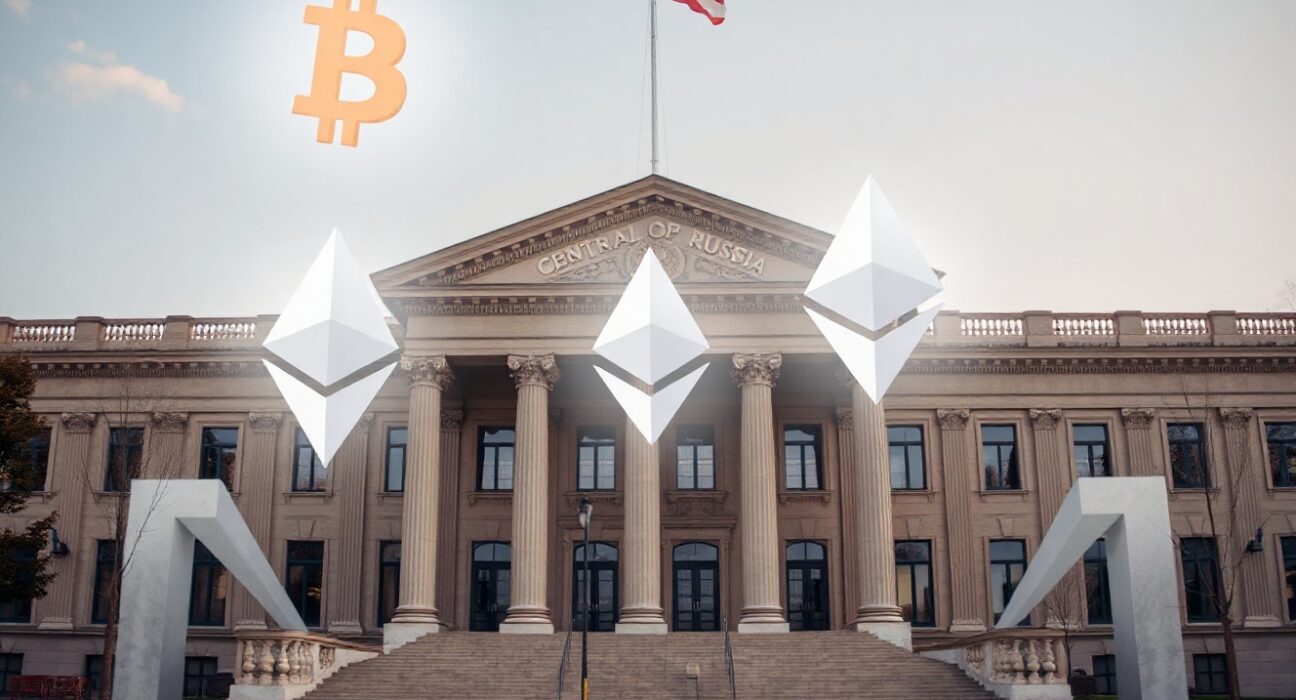
In a notable policy shift, Russia’s central bank has reportedly included Bitcoin, Ethereum, and Tether in the list of cryptocurrencies permitted for trading on domestic exchanges. The development, first reported by Jinse Finance, signals a potential thaw in the country’s previously restrictive stance on digital assets, though official confirmation from the Bank of Russia is still pending.
Background and Context
Russia has had a complex relationship with cryptocurrencies. While the government has recognized digital assets for certain purposes, the central bank has historically advocated for strict limitations, even proposing a blanket ban on crypto trading and mining in early 2022. However, the landscape has evolved, particularly amid Western sanctions that have pushed the country toward alternative financial channels.
This move aligns with a broader trend of Russia exploring crypto adoption to mitigate sanctions and facilitate international trade. In recent months, the government has passed laws to regulate crypto mining and pilot cross-border crypto payments. Allowing trading on domestic exchanges could provide a legal avenue for Russian investors to access major cryptocurrencies, potentially reducing reliance on foreign platforms.
Implications for the Crypto Market
The inclusion of Bitcoin, Ethereum, and Tether is significant because these are among the most widely used digital assets globally. For Russian investors, this could mean improved liquidity and security, as trades would occur within a regulated framework. It might also attract foreign investment into Russian exchanges, although international sanctions remain a complicating factor.
Market analysts note that this policy could increase trading volumes and potentially influence global prices, though the effect is likely muted given the scale of Russia’s crypto market compared to global volumes. Moreover, the move could set a precedent for other countries with restrictive stances, encouraging them to reconsider their positions.
What This Means for Investors
For individual investors, the key takeaway is that Russia is gradually legitimizing cryptocurrency trading, which may lead to more robust market infrastructure and clearer tax guidelines. However, the situation remains fluid, and regulatory details are still emerging. Investors should monitor official announcements and consult local regulations before engaging in trading activities.
Conclusion
The reported decision by Russia’s central bank to allow Bitcoin, Ethereum, and Tether trading on domestic exchanges marks a significant step toward crypto integration. While the full scope and implementation are yet to be detailed, this development reflects a pragmatic shift in Russia’s approach to digital assets, driven by economic pressures and geopolitical factors. As the situation evolves, market participants should stay informed and exercise caution, given the inherent volatility and regulatory uncertainties in the crypto space.
FAQs
Q1: Is Bitcoin trading now fully legal in Russia?
According to the report, the central bank has included Bitcoin in the list of cryptocurrencies allowed for trading on domestic exchanges, but this does not mean all crypto activities are legal. The regulatory framework is still developing, and specific rules for trading, taxation, and custody may apply.
Q2: Will this affect the global price of Bitcoin and Ethereum?
The impact on global prices is likely to be limited, as Russia’s crypto market is relatively small compared to global volumes. However, increased trading activity in a regulated environment could contribute to market liquidity and sentiment.
Q3: What should Russian investors do now?
Investors should wait for official guidelines from the central bank and relevant authorities. It is advisable to consult with financial advisors and ensure compliance with local tax laws. Given the volatility of cryptocurrencies, risk management remains crucial.
Disclaimer: The information provided is not trading advice, Bitcoinworld.co.in holds no liability for any investments made based on the information provided on this page. We strongly recommend independent research and/or consultation with a qualified professional before making any investment decisions.
