

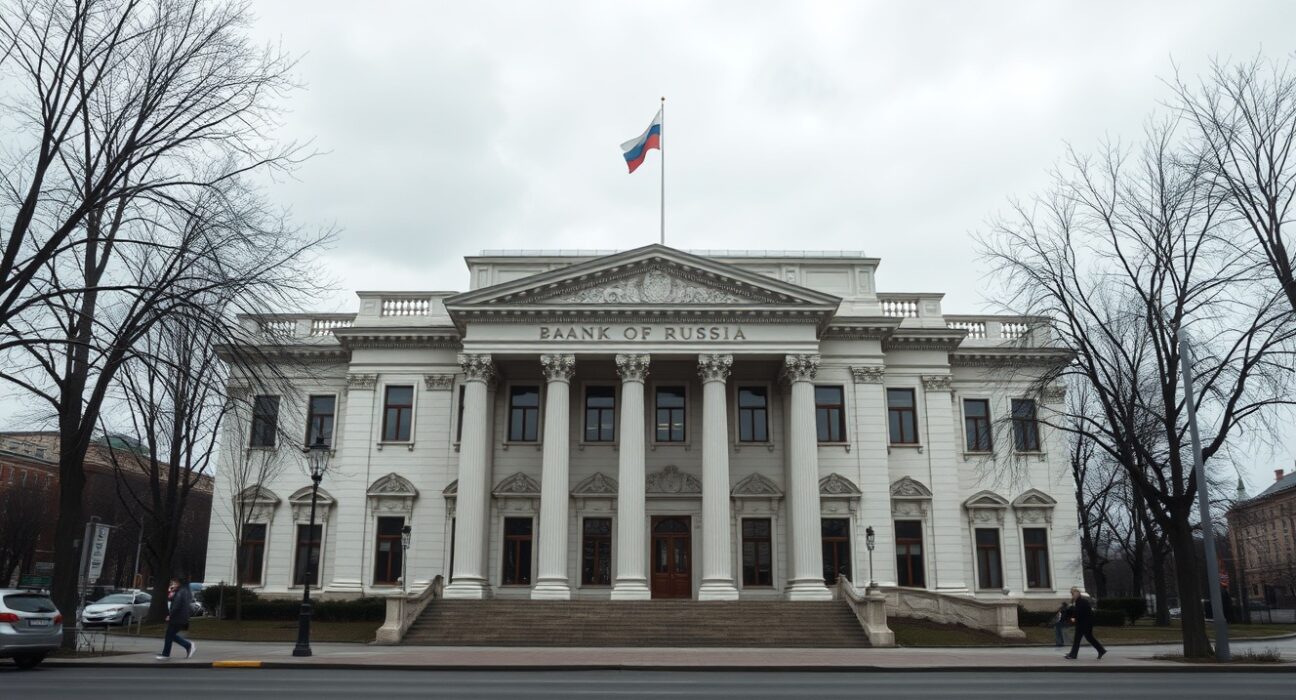
Russia’s central bank reserves fell to $715.2 billion, down from a revised $743.8 billion in the previous reporting period, according to the latest data from the Bank of Russia. The $28.6 billion decline marks a notable shift after months of relative stability, raising questions about the underlying pressures on the country’s financial buffer.
Understanding the Reserve Drop
The Bank of Russia publishes its international reserves weekly, providing a snapshot of assets including foreign currency, gold, Special Drawing Rights (SDRs), and reserve positions in the International Monetary Fund. The latest figure represents a decrease of approximately 3.8% from the prior week.
While the central bank has not yet detailed the specific drivers of this decline, analysts point to several plausible factors. Currency revaluation effects—where changes in exchange rates alter the dollar value of non-dollar-denominated assets—often account for short-term fluctuations. The recent strengthening of the U.S. dollar against major currencies like the euro, yuan, and yen would reduce the dollar value of reserves held in those currencies.
Gold prices, which have been volatile in recent months, also play a role. Russia holds a significant portion of its reserves in gold, and a decline in the spot price of gold during the reporting period could have contributed to the overall drop.
Context: Reserves Under Sanctions Pressure
Russia’s central bank reserves have been a focal point since the imposition of sweeping Western sanctions in 2022, which froze roughly half of the country’s $640 billion in reserves held in G7 jurisdictions. The Kremlin has since pivoted toward accumulating reserves in gold, yuan, and other non-Western assets, a strategy that has reduced but not eliminated exposure to currency fluctuations and market volatility.
The current reserve level of $715.2 billion remains historically high, but the decline underscores the ongoing challenges of managing a war-time economy while maintaining a buffer against external shocks. The reserves serve as a critical tool for defending the ruble, financing imports, and ensuring financial stability.
What This Means for the Ruble and Global Markets
A shrinking reserve cushion could increase market sensitivity to geopolitical developments. The ruble, which has been relatively stable due to capital controls and reduced import demand, may face renewed pressure if reserves continue to trend downward. For global investors, the data offers a window into Russia’s financial resilience as the conflict in Ukraine enters its third year.
The decline also feeds into the broader narrative of de-dollarization and the shifting architecture of global reserve holdings. BRICS nations, including Russia, have been actively exploring alternatives to the dollar-dominated system, and changes in Russia’s reserve composition are closely watched by policymakers in emerging markets.
Conclusion
The $28.6 billion drop in Russia’s central bank reserves from $743.8 billion to $715.2 billion is a meaningful but not alarming shift. Currency revaluation, gold price movements, and ongoing sanctions-related constraints are likely contributors. While the reserves remain at a robust level, the trend bears watching as an indicator of Russia’s financial maneuverability in a strained geopolitical environment.
FAQs
Q1: Why did Russia’s central bank reserves decline?
The decline is likely due to a combination of currency revaluation effects (a stronger U.S. dollar reducing the value of non-dollar assets), a potential drop in gold prices, and possibly some asset rebalancing by the Bank of Russia. Official details on the specific causes are expected in the coming weeks.
Q2: How much of Russia’s reserves are frozen due to sanctions?
Approximately $300 billion to $350 billion of Russia’s reserves—held in G7 countries—remain frozen under sanctions imposed in 2022. The Bank of Russia has since shifted its reserve accumulation toward gold, yuan, and other non-Western assets to reduce future vulnerability.
Q3: Does this reserve drop affect the ruble exchange rate?
Directly, a single weekly decline is unlikely to cause immediate ruble volatility. However, a sustained downward trend could weaken the ruble over time by reducing the central bank’s ability to intervene in foreign exchange markets. Currently, the ruble is supported by capital controls and reduced import demand.
Disclaimer: The information provided is not trading advice, Bitcoinworld.co.in holds no liability for any investments made based on the information provided on this page. We strongly recommend independent research and/or consultation with a qualified professional before making any investment decisions.
