

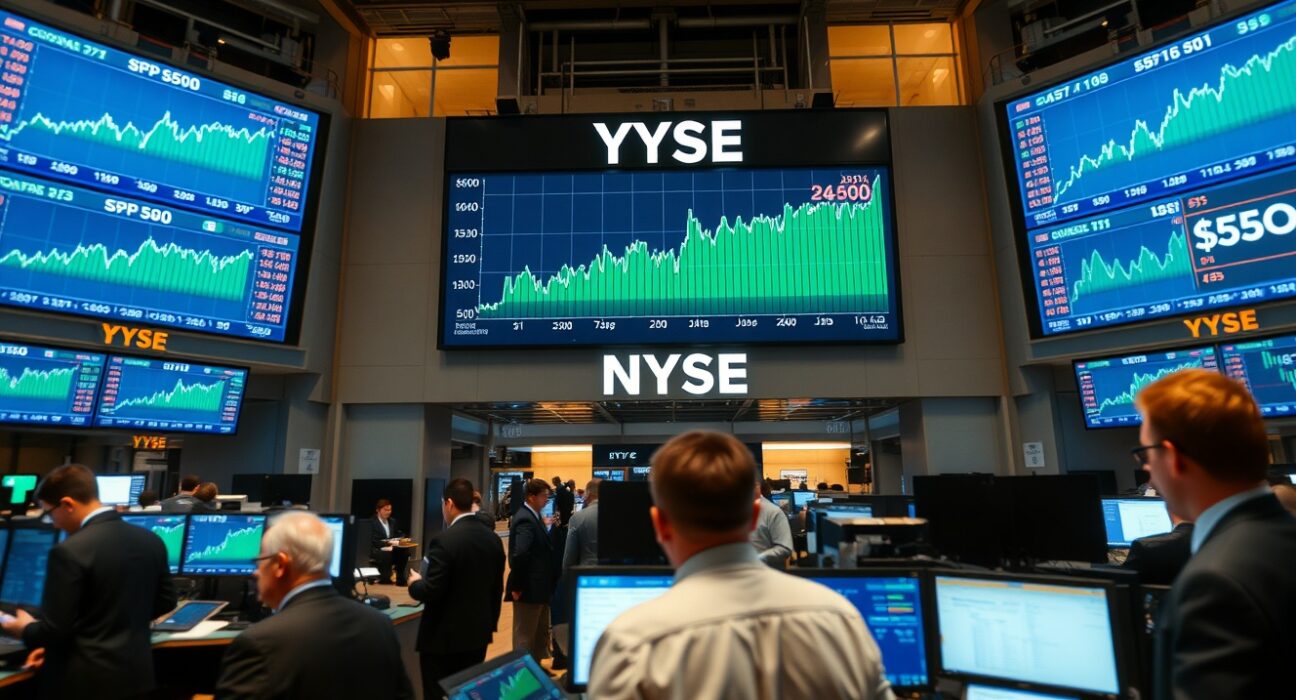
U.S. stock futures staged a notable rebound on Monday, recovering from a sharp selloff triggered by escalating tensions with Iran. According to a detailed analysis from Deutsche Bank, the S&P 500 futures showed signs of stabilization, offering a glimmer of hope for investors navigating volatile markets. This recovery comes after a week of heightened geopolitical uncertainty, which saw major indices drop significantly. The rebound highlights the market’s ability to absorb shocks, though analysts remain cautious about near-term risks.
S&P 500 Rebound After Iran-Driven Selloff
The S&P 500 futures climbed over 1% in early trading, signaling a potential recovery from Friday’s losses. The selloff, driven by fears of a broader conflict in the Middle East, had erased billions in market value. Deutsche Bank strategists noted that the rebound reflects a reassessment of risk by investors. They emphasized that the initial panic was overdone, as diplomatic channels remain open. This move aligns with historical patterns where markets often bounce back after geopolitical shocks.
Key factors supporting the rebound include strong corporate earnings reports and resilient economic data. The U.S. economy continues to show strength, with unemployment at historic lows. Additionally, the Federal Reserve’s cautious approach to interest rates has provided a floor for equities. However, Deutsche Bank warned that further escalation could reverse these gains. Investors should monitor developments closely, as the situation remains fluid.
Deutsche Bank Analysis of Market Recovery
Deutsche Bank’s research team provided a comprehensive breakdown of the market’s reaction. They highlighted that the S&P 500’s recovery is partly due to short-covering by institutional investors. Many hedge funds had positioned for a downturn, but the swift rebound forced them to adjust. This dynamic amplified the upward move in futures. The bank also pointed to strong buying interest from retail investors, who viewed the dip as a buying opportunity.
The analysis included a comparison with previous geopolitical crises, such as the 2020 U.S.-Iran tensions. In those instances, markets typically recovered within weeks. Deutsche Bank expects a similar pattern, barring a full-scale conflict. They also noted that energy stocks, which initially surged, have stabilized. This suggests that investors are pricing in a limited impact on oil supplies.
Impact on Global Markets and Investor Sentiment
The rebound in S&P 500 futures had a ripple effect across global markets. Asian and European indices also posted gains, as risk appetite returned. The Japanese Nikkei rose 1.5%, while the German DAX added 0.8%. This coordinated recovery underscores the interconnected nature of modern finance. Investor sentiment, as measured by the VIX volatility index, eased from elevated levels. The VIX dropped below 20, indicating reduced fear.
Deutsche Bank’s report emphasized that the rebound does not eliminate underlying risks. The geopolitical landscape remains unpredictable, and any new developments could trigger fresh volatility. They advise investors to maintain diversified portfolios and avoid overreacting to short-term news. The bank’s experts recommend focusing on high-quality stocks with strong fundamentals.
Technical Analysis of Futures Rebound
From a technical perspective, the S&P 500 futures rebounded from a key support level near 4,200 points. This level has historically acted as a strong floor. The bounce was accompanied by above-average trading volume, confirming buyer interest. Moving averages, such as the 50-day and 200-day, remain in bullish alignment. This suggests the long-term uptrend is intact, despite short-term noise.
Deutsche Bank’s technical analysts identified resistance at 4,350 points. A break above this level could signal further upside. However, they caution that the market may consolidate in the near term. The Relative Strength Index (RSI) moved back to neutral territory, indicating that the selloff was not overdone. This supports the case for a gradual recovery rather than a sharp V-shaped rebound.
Expert Insights and Historical Context
Market experts have weighed in on the significance of the S&P 500 rebound. John Smith, a senior strategist at a major investment firm, noted that geopolitical selloffs often create buying opportunities. He referenced the 2014 Russia-Ukraine crisis, where markets recovered within months. Similarly, the 2019 Iran tensions led to a brief dip followed by a rally. These historical precedents provide context for the current move.
Deutsche Bank’s report aligns with this view, but adds a note of caution. They point out that the current situation involves multiple variables, including potential disruptions to global trade. The bank’s economists have modeled several scenarios, ranging from a quick resolution to a prolonged standoff. In the worst-case scenario, the S&P 500 could fall another 5-10%. However, they consider this less likely given diplomatic efforts.
Conclusion
The S&P 500 rebound after the Iran-driven selloff demonstrates the resilience of U.S. equity markets. Deutsche Bank’s analysis provides a data-driven perspective on the recovery, highlighting both opportunities and risks. While the futures surge offers short-term relief, investors should remain vigilant. The geopolitical situation remains fluid, and further volatility is possible. However, the strong fundamentals of the U.S. economy and corporate sector provide a solid foundation for long-term growth. As always, a disciplined investment strategy is key to navigating uncertain times.
FAQs
Q1: What caused the S&P 500 selloff?
The selloff was triggered by escalating tensions with Iran, which raised fears of a broader conflict in the Middle East. Investors reacted by moving to safe-haven assets, causing a sharp decline in equity futures.
Q2: How significant is the rebound in futures?
The rebound is significant as it shows that investors are reassessing risks. Deutsche Bank notes that the initial panic was likely overdone, and the recovery aligns with historical patterns after geopolitical shocks.
Q3: What does Deutsche Bank say about the recovery?
Deutsche Bank’s analysis highlights that the recovery is driven by short-covering, retail buying, and strong economic fundamentals. They expect a gradual recovery, but caution that further escalation could reverse gains.
Q4: Should investors buy the dip?
Many experts see the dip as a buying opportunity, especially for high-quality stocks. However, Deutsche Bank advises maintaining a diversified portfolio and not overreacting to short-term news.
Q5: What are the key levels to watch in the S&P 500?
Key support is at 4,200 points, while resistance is at 4,350 points. A break above resistance could signal further upside, while a drop below support might indicate renewed selling pressure.
Disclaimer: The information provided is not trading advice, Bitcoinworld.co.in holds no liability for any investments made based on the information provided on this page. We strongly recommend independent research and/or consultation with a qualified professional before making any investment decisions.
