
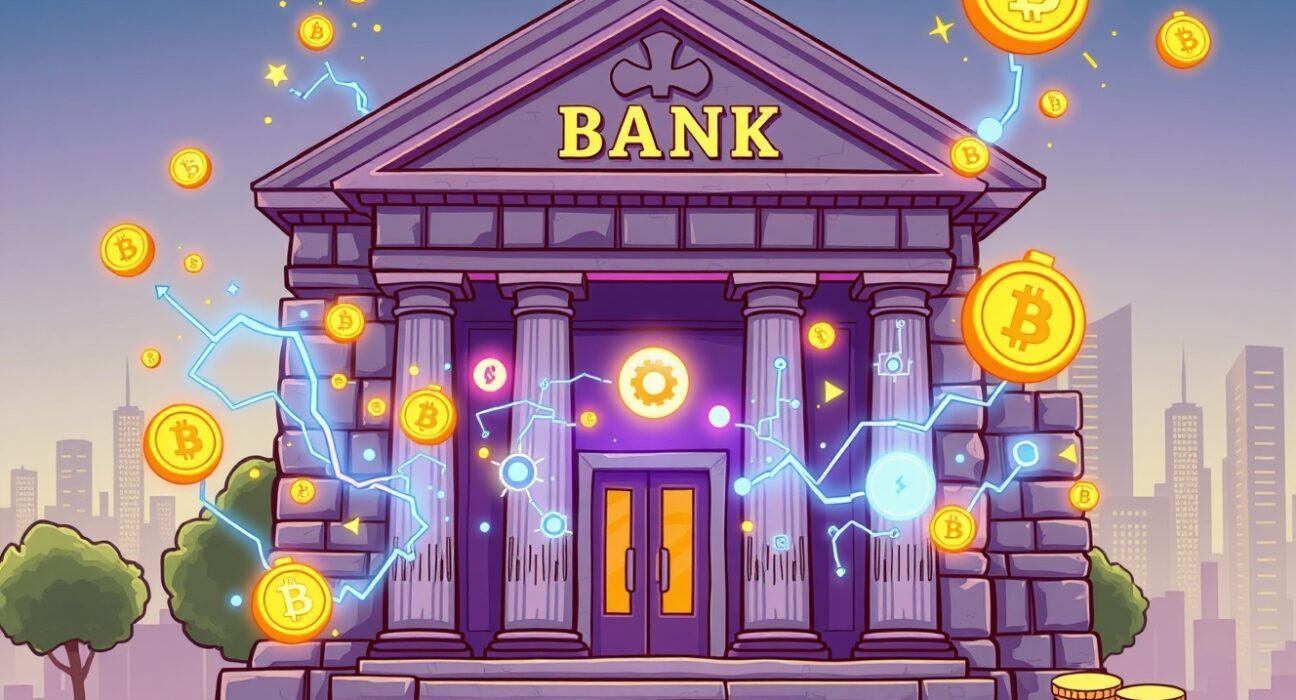
In a move that signals a seismic shift in global finance, Russian banking titan Sberbank is now actively testing decentralized finance (DeFi) products. This stunning development, reported by DL News, highlights how surging cryptocurrency demand is pushing even the most established financial institutions to explore the blockchain frontier. The Sberbank DeFi initiative represents a pivotal moment where the old world of finance reaches out to the new.
Why is Sberbank Exploring DeFi Now?
The answer lies in overwhelming market demand. In an interview with Russian media outlet RPC, a Sberbank executive confirmed the testing phase, directly linking it to a surge in client interest for digital assets. This isn’t a speculative gamble; it’s a strategic response. The bank recognizes that to remain relevant, it must bridge the gap between its vast traditional customer base and the innovative world of decentralized finance. Therefore, this step is about future-proofing their services.
How Will Sberbank Navigate the Regulatory Maze?
Navigating regulations is perhaps the biggest challenge for any traditional bank entering the crypto space. The Sberbank executive was clear: the bank will work closely with regulators to develop compliant digital asset products. This collaborative approach is crucial. It suggests that Sberbank aims to build DeFi solutions that meet legal standards, potentially creating a blueprint for other institutions. Key aspects of their strategy likely include:
- Regulatory Partnership: Proactively engaging with authorities to shape sensible frameworks.
- Compliant Products: Designing services that adhere to anti-money laundering (AML) and know-your-customer (KYC) rules.
- Institutional-Grade Security: Leveraging the bank’s expertise in security to build trusted platforms.
What Does the Convergence of Banking and DeFi Look Like?
The Sberbank executive expressed strong confidence that traditional banking and DeFi will soon converge. This isn’t about one replacing the other. Instead, imagine a hybrid model where the trust, scale, and regulatory compliance of banks merge with the efficiency, transparency, and accessibility of decentralized finance. For customers, this could mean accessing blockchain-based lending or asset trading directly through their familiar Sberbank app. This convergence promises to unlock massive value by bringing decentralized tools to millions of new users.
The Ripple Effect: What This Means for the Global Crypto Landscape
Sberbank’s foray into DeFi is a powerful signal to the entire financial world. As one of Russia’s largest and most influential banks, its actions carry significant weight. This move could accelerate institutional adoption of cryptocurrency across emerging markets and encourage other global banks to seriously evaluate their own DeFi strategies. Moreover, it validates the entire sector, proving that decentralized finance has moved beyond a niche interest to a mainstream financial innovation.
Conclusion: A New Chapter for Finance
The news that Sberbank is testing DeFi products marks a definitive turning point. It demonstrates that decentralized finance is no longer just an alternative system but an inevitable evolution that traditional finance must embrace. By working with regulators and leveraging its massive reach, Sberbank’s DeFi experiment could pave the way for a more integrated, efficient, and inclusive global financial ecosystem. The wall between old and new money is beginning to crumble.
Frequently Asked Questions (FAQs)
Q: What exactly is Sberbank testing in DeFi?
A: While specific product details are under wraps, Sberbank is likely exploring core DeFi functions like blockchain-based lending, borrowing, or trading services that can be offered alongside its traditional banking products.
Q: Can I use Sberbank’s DeFi services now?
A: No. The bank is currently in a testing phase. Any public launch will depend on successful trials and, crucially, regulatory approvals.
Q: Why is a big bank like Sberbank interested in DeFi?
A> Primarily due to client demand for crypto services and the need to stay competitive. DeFi offers potential for greater efficiency, new revenue streams, and access to a growing digital asset economy.
Q: How is this different from regular cryptocurrency trading?
A> Traditional crypto trading is often just buying and holding assets. DeFi involves using those assets in interactive financial protocols—like earning interest on deposits or taking out crypto-collateralized loans—all on a decentralized blockchain network.
Q: Does this make DeFi safer?
A> Involvement from a regulated entity like Sberbank could introduce higher standards of security, compliance, and user protection compared to some purely anonymous DeFi protocols, but specific risks will depend on the final product design.
Q: Will this affect cryptocurrency regulations in Russia?
A> Potentially, yes. Sberbank’s collaboration with regulators could help shape clearer and more supportive digital asset laws in Russia, influencing the broader regulatory landscape.
Found this insight into the future of finance fascinating? Share this article on social media to spark a conversation about how traditional giants like Sberbank are embracing the DeFi revolution!
To learn more about the latest trends in institutional crypto adoption, explore our article on key developments shaping the convergence of traditional and decentralized finance.
Disclaimer: The information provided is not trading advice, Bitcoinworld.co.in holds no liability for any investments made based on the information provided on this page. We strongly recommend independent research and/or consultation with a qualified professional before making any investment decisions.