

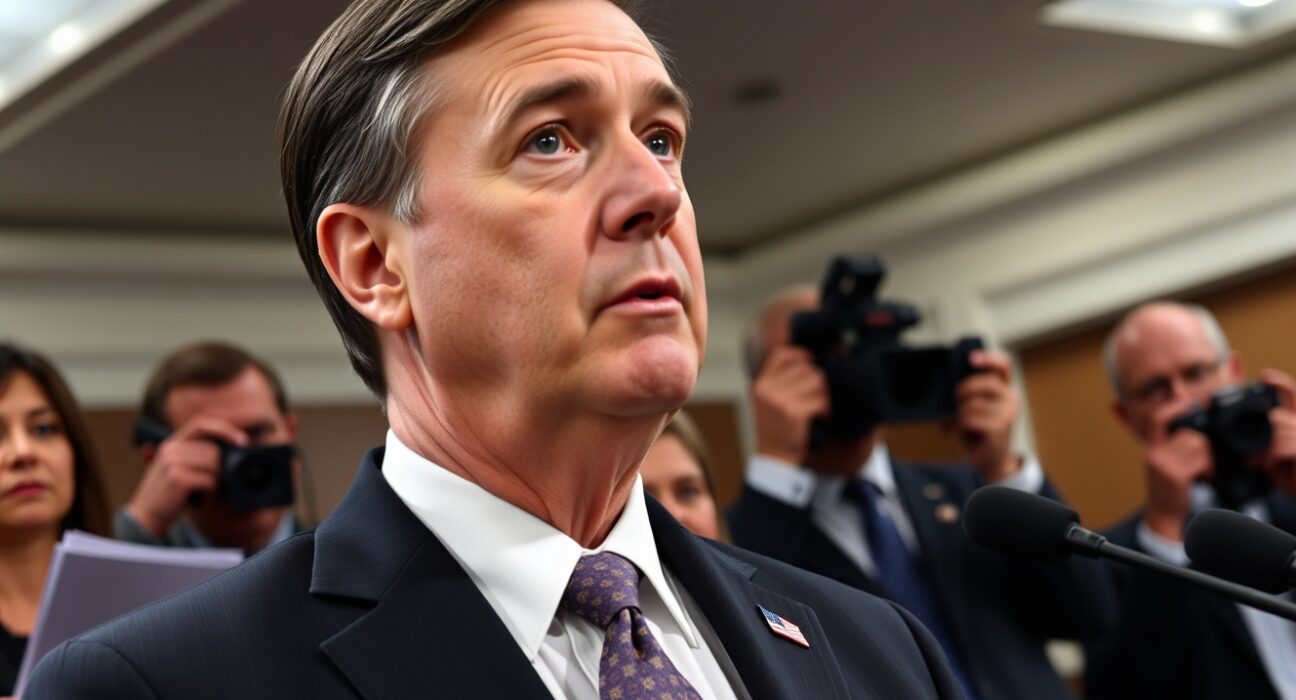
WASHINGTON, D.C. – March 15, 2025 – In a potentially transformative development for financial technology, U.S. Securities and Exchange Commission Chairman Paul Atkins revealed the commission could implement an innovation exemption for tokenization within weeks. This regulatory shift represents a significant milestone for blockchain integration in traditional finance. The announcement signals a measured approach to fostering technological advancement while maintaining market integrity.
SEC Tokenization Exemption: Understanding the Regulatory Framework
The proposed tokenization exemption would temporarily waive specific securities regulations under carefully defined conditions. Chairman Atkins made this announcement during a financial technology symposium at Georgetown University. He emphasized the SEC’s commitment to balancing innovation with investor protection. This regulatory flexibility could accelerate blockchain adoption across multiple financial sectors.
Tokenization involves converting real-world assets into digital tokens on a blockchain. These assets range from real estate and artwork to corporate bonds and investment funds. The SEC has historically applied existing securities laws to many tokenized assets. Consequently, this created regulatory uncertainty for innovators. The new exemption framework aims to provide clearer guidelines for compliant experimentation.
Financial technology experts immediately recognized the announcement’s significance. They view it as a pragmatic response to evolving market realities. The exemption would likely include specific parameters regarding token issuance, trading platforms, and investor qualifications. These parameters would establish guardrails for safe innovation. The commission appears focused on creating a controlled environment for testing tokenization’s potential benefits.
Historical Context of SEC Regulatory Approaches
The SEC’s journey toward this potential exemption spans nearly a decade. Initially, the commission took a cautious stance toward digital assets following the 2017 ICO boom. Enforcement actions against unregistered securities offerings became common. However, the regulatory approach has evolved alongside technological maturity. Recent years have seen increased dialogue between regulators and industry participants.
Chairman Atkins, appointed in 2024, has consistently advocated for regulatory clarity. His background in both traditional finance and technology policy informs this balanced perspective. The commission’s strategic plan for 2023-2028 explicitly mentions adapting regulations for technological innovation. This exemption represents a concrete step toward fulfilling that strategic objective.
Several factors likely influenced the timing of this announcement. First, major financial institutions have increasingly embraced blockchain technology. Second, other jurisdictions have implemented similar regulatory sandboxes with positive results. Third, technological advancements have improved security and transparency in tokenization platforms. These developments created compelling evidence for regulatory adaptation.
Comparative Analysis of Global Regulatory Approaches
The United States is not pioneering regulatory exemptions for blockchain innovation. Several other jurisdictions have established similar frameworks with varying degrees of success. The table below illustrates key differences in approach:
| Jurisdiction | Program Name | Launch Year | Key Features |
|---|---|---|---|
| United Kingdom | Financial Conduct Authority Sandbox | 2016 | Test innovations with real consumers under supervision |
| Singapore | MAS Regulatory Sandbox | 2016 | Flexible regulatory requirements for fintech experiments |
| Switzerland | FINMA Guidance & Licensing | 2018 | Clear categorization of tokens with tailored regulations |
| European Union | DLT Pilot Regime | 2023 | Temporary exemption for DLT market infrastructures |
These international precedents provide valuable lessons for U.S. regulators. Successful programs typically share several characteristics. They establish clear eligibility criteria, maintain robust supervision, and include sunset provisions. The SEC’s proposed exemption appears to incorporate these best practices. Learning from global experiences could enhance the effectiveness of the American approach.
Potential Impacts on Financial Markets and Innovation
The tokenization exemption could produce significant effects across multiple financial sectors. Traditional asset managers might explore tokenizing portions of their funds. Real estate developers could fractionalize property ownership through blockchain tokens. Even governments might consider tokenizing municipal bonds to increase accessibility. Each application presents unique opportunities and challenges.
Market participants have identified several potential benefits of regulated tokenization:
- Increased Liquidity: Tokenization can make traditionally illiquid assets more easily tradable
- Fractional Ownership: Lower investment minimums could democratize access to premium assets
- Transparency: Blockchain’s immutable ledger provides clear ownership records and transaction history
- Operational Efficiency: Automated compliance and settlement could reduce administrative costs
However, significant challenges remain despite these potential advantages. Technological risks include smart contract vulnerabilities and platform security concerns. Market risks involve price volatility and potential manipulation in nascent trading venues. Regulatory risks stem from evolving compliance requirements across different jurisdictions. The exemption framework must address these concerns to ensure successful implementation.
Expert Perspectives on the Regulatory Shift
Financial regulation experts have offered nuanced analyses of the announcement. Dr. Eleanor Vance, former CFTC commissioner and current director of the Fintech Policy Institute, commented on the development. “This represents a pragmatic evolution in regulatory thinking,” she observed. “The SEC recognizes that blanket application of 1930s-era regulations to 2020s technology may stifle beneficial innovation.”
Industry representatives have responded cautiously optimistically. Michael Chen, CEO of a blockchain infrastructure firm, welcomed the news. “We appreciate the SEC’s willingness to create space for responsible experimentation,” he stated. “A well-designed exemption could accelerate development of compliant tokenization solutions that benefit all market participants.”
Consumer advocacy groups have emphasized the importance of maintaining robust protections. Sarah Johnson of the Investor Protection Alliance noted, “Any exemption must include strong safeguards. Technological innovation should not come at the expense of investor security. We trust the SEC will implement appropriate controls and monitoring mechanisms.”
Implementation Timeline and Procedural Considerations
Chairman Atkins indicated the exemption could materialize “within the next few weeks.” This timeline suggests the commission has already completed substantial preparatory work. The SEC likely conducted internal analyses and stakeholder consultations before the announcement. Formal implementation would probably follow standard administrative procedures.
The exemption process typically involves several procedural steps. First, the commission would draft specific regulatory language outlining exemption parameters. Next, this language might undergo internal review and potential revision. Finally, the commission would vote on adopting the exemption framework. The entire process could proceed relatively quickly given the preparatory work already completed.
Key questions remain about the exemption’s specific contours. Will it apply to all token types or only certain categories? What conditions must projects meet to qualify? How will the SEC monitor exempted activities? Answers to these questions will determine the exemption’s practical impact. Market participants eagerly await these crucial details.
Conclusion
The potential SEC tokenization exemption represents a watershed moment for financial technology regulation. Chairman Paul Atkins’ announcement signals a pragmatic shift toward accommodating blockchain innovation within existing regulatory frameworks. This development could accelerate tokenization adoption while maintaining essential investor protections. The coming weeks will reveal specific exemption parameters and implementation details. Financial markets should prepare for potentially significant changes in how tokenized assets are regulated and traded. The SEC’s balanced approach could establish a model for other regulators grappling with similar technological challenges.
FAQs
Q1: What exactly is a tokenization exemption?
A tokenization exemption is a regulatory provision that temporarily waives certain securities regulations for blockchain-based tokenization projects. It allows innovators to test new approaches under supervised conditions without facing immediate enforcement action for regulatory non-compliance.
Q2: Which SEC regulations might be waived under this exemption?
While specific details haven’t been released, the exemption could potentially address registration requirements for token offerings, trading platform regulations, and certain reporting obligations. The waiver would apply only to projects meeting specific criteria established by the SEC.
Q3: How would this exemption affect individual investors?
The exemption would likely include investor protection measures such as qualification requirements or investment limits. Individual investors might gain access to new investment opportunities through tokenized assets, but with appropriate safeguards based on their financial sophistication and risk tolerance.
Q4: What types of assets could be tokenized under this exemption?
Potential candidates include real estate properties, investment fund shares, corporate bonds, commodities, and intellectual property rights. The exemption would probably establish eligibility criteria based on asset characteristics and market maturity.
Q5: How does this U.S. initiative compare to similar programs abroad?
The U.S. approach appears to draw lessons from regulatory sandboxes in the UK, Singapore, Switzerland, and the EU. Key differences may involve the scope of exempted activities, supervision intensity, and duration of the exemption period. The SEC likely studied international precedents when designing its framework.
Disclaimer: The information provided is not trading advice, Bitcoinworld.co.in holds no liability for any investments made based on the information provided on this page. We strongly recommend independent research and/or consultation with a qualified professional before making any investment decisions.
