

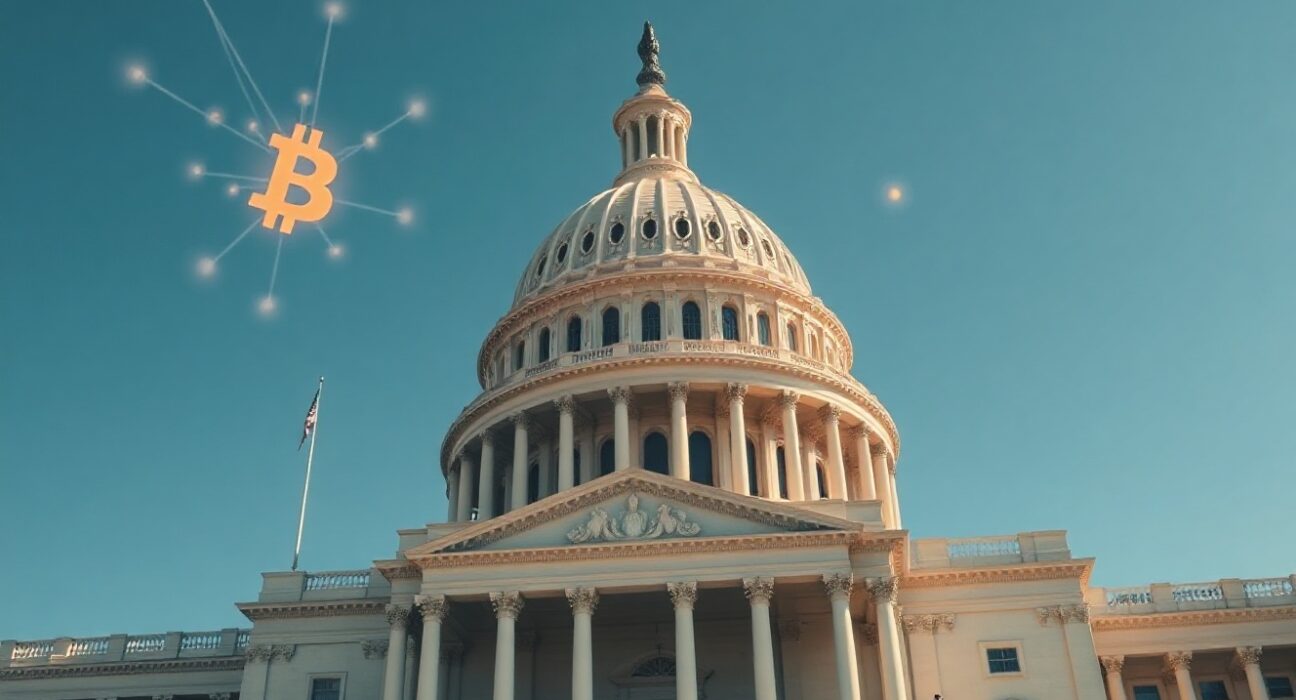
U.S. Senator Cynthia Lummis, a prominent advocate for digital assets, declared on social media that cryptocurrency represents a return to ‘sound money’ for all Americans, reigniting debate over the role of digital currencies in the national economy.
What ‘Sound Money’ Means in the Crypto Context
Writing on X (formerly Twitter), Lummis stated that ‘sound money’ is the foundation upon which the United States was built, and that cryptocurrency makes it accessible to everyone again, calling it ‘something worth defending.’ The term ‘sound money’ traditionally refers to a currency that maintains stable purchasing power over time, largely immune to artificial government manipulation of the money supply or inflation.
Lummis’s remarks align with a broader philosophical argument among cryptocurrency proponents that digital assets like Bitcoin, with their fixed supply and decentralized nature, can serve as a hedge against inflationary monetary policies. This perspective has gained traction as U.S. inflation rates have fluctuated in recent years, prompting some investors to seek alternative stores of value.
Political Implications and Legislative Context
Senator Lummis, a Republican from Wyoming, has been one of the most vocal pro-crypto voices in Congress. She has introduced legislation aimed at creating a regulatory framework for digital assets, including a bill to establish a strategic Bitcoin reserve for the United States. Her latest comments come amid ongoing debates in Washington over how to regulate the cryptocurrency industry, with some lawmakers pushing for stricter oversight and others advocating for innovation-friendly policies.
The term ‘sound money’ carries historical weight in American political discourse, often associated with the gold standard and debates over central banking. By framing cryptocurrency in this context, Lummis is appealing to both fiscal conservatives and libertarian-leaning voters who prioritize monetary stability and limited government intervention.
Why This Matters for Everyday Americans
For average consumers, the concept of sound money directly affects purchasing power and savings. If cryptocurrency can provide a more stable alternative to traditional fiat currency, it could influence how people save, invest, and transact. However, critics point out that cryptocurrencies remain highly volatile, with prices subject to sharp swings driven by speculation, regulatory news, and market sentiment.
The broader implication of Lummis’s statement is that the conversation around digital assets is shifting from purely speculative investment to a more fundamental discussion about the nature of money itself. As more Americans engage with cryptocurrencies, the policy decisions made in Washington will have lasting effects on financial inclusion, consumer protection, and economic stability.
Conclusion
Senator Lummis’s characterization of cryptocurrency as ‘sound money’ reflects a growing movement to position digital assets as a mainstream financial tool rather than a niche speculative market. While the debate over regulation and adoption continues, her comments underscore the increasing political relevance of cryptocurrency in shaping America’s monetary future.
FAQs
Q1: What is ‘sound money’ in simple terms?
Sound money refers to a currency that retains its value over time, meaning it is not easily devalued by inflation or government policies that increase the money supply. It is a stable medium of exchange and store of value.
Q2: How does cryptocurrency qualify as sound money?
Proponents argue that cryptocurrencies like Bitcoin have a fixed supply (e.g., 21 million coins), making them resistant to inflationary monetary expansion. Their decentralized nature also means no single government can artificially manipulate their value.
Q3: Is cryptocurrency currently stable enough to be considered sound money?
Not universally. While some digital assets have shown long-term appreciation, they remain highly volatile in the short term, which challenges their role as a stable currency. Many experts believe broader adoption and regulation could reduce volatility over time.
Disclaimer: The information provided is not trading advice, Bitcoinworld.co.in holds no liability for any investments made based on the information provided on this page. We strongly recommend independent research and/or consultation with a qualified professional before making any investment decisions.
