

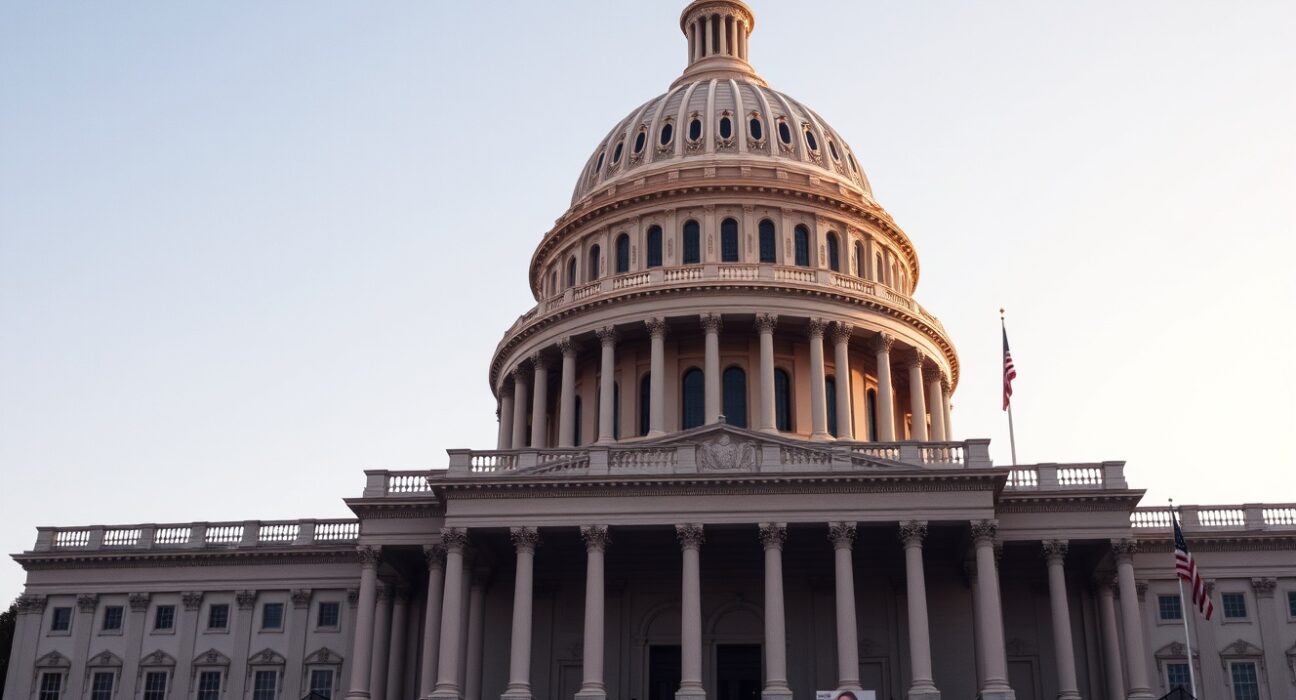
The U.S. Senate voted on Wednesday to confirm Kevin Warsh as the next Chairman of the Federal Reserve, placing a former central bank official at the helm of the nation’s monetary policy during a period of shifting economic conditions. The vote, which crossed party lines, signals a new direction for the Fed as it navigates inflation, employment, and financial stability.
Who Is Kevin Warsh?
Kevin Warsh served as a member of the Federal Reserve Board of Governors from 2006 to 2011, where he played a key role during the 2008 financial crisis. He was also a key architect of the Troubled Asset Relief Program (TARP). Since leaving the Fed, Warsh has been a fellow at Stanford University’s Hoover Institution and has written extensively on monetary policy and financial regulation. His confirmation places a seasoned economist with deep institutional knowledge back at the center of U.S. economic policymaking.
What the Confirmation Means for Monetary Policy
Warsh’s appointment comes at a time when the Federal Reserve is balancing the dual mandate of controlling inflation and maximizing employment. Market analysts expect Warsh to prioritize price stability while advocating for a more predictable, rules-based approach to interest rate decisions. His past statements suggest a preference for gradual normalization of monetary policy, which could influence the pace of future rate adjustments.
Market and Economic Implications
Financial markets responded with cautious optimism following the confirmation. The S&P 500 and bond yields showed modest movement as traders digested the implications of Warsh’s leadership. Some economists believe his tenure could lead to a more transparent communication strategy from the Fed, reducing market uncertainty. However, challenges remain, including persistent inflation in certain sectors and global economic headwinds.
Political Context and Senate Vote
The confirmation vote was not without controversy. While Warsh received bipartisan support, some senators expressed concerns over his past ties to Wall Street and his stance on financial deregulation. Supporters highlighted his crisis management experience and academic credentials. The vote tally reflected a divided chamber, but the outcome was never in doubt as key moderates from both parties backed the nominee.
Conclusion
Kevin Warsh’s confirmation as Federal Reserve Chair marks a pivotal moment for U.S. monetary policy. With a background in crisis management and a clear economic philosophy, Warsh is expected to steer the Fed toward a more predictable and disciplined approach. The coming months will reveal how his leadership shapes the trajectory of interest rates, inflation, and financial stability in a complex global economy.
FAQs
Q1: When did Kevin Warsh take office as Fed Chair?
He was confirmed by the U.S. Senate on Wednesday and is expected to assume the role immediately, succeeding the previous chair.
Q2: What is Kevin Warsh’s economic philosophy?
Warsh is known for favoring a rules-based approach to monetary policy, with an emphasis on price stability and clear communication to markets.
Q3: How might Warsh’s leadership affect interest rates?
Analysts expect a more gradual and predictable path for rate adjustments, though actual decisions will depend on economic data such as inflation and employment figures.
Disclaimer: The information provided is not trading advice, Bitcoinworld.co.in holds no liability for any investments made based on the information provided on this page. We strongly recommend independent research and/or consultation with a qualified professional before making any investment decisions.
