


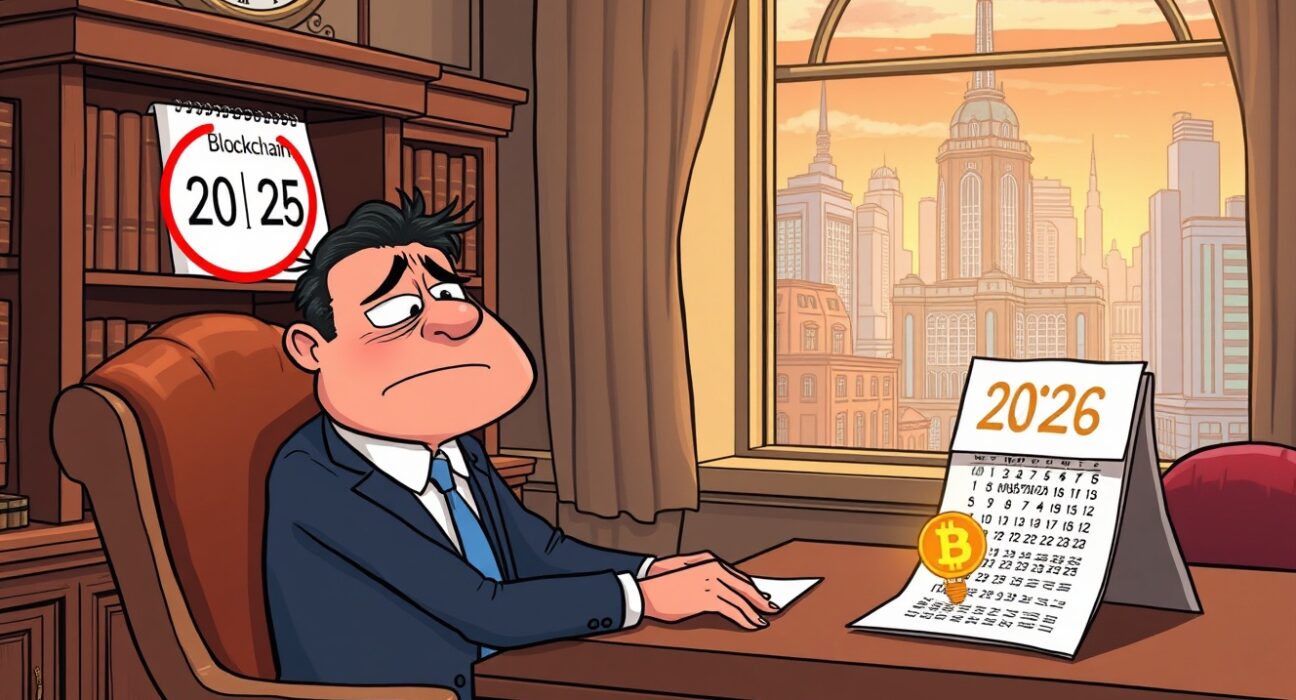
In a move that sends a clear signal about Washington’s pace, the U.S. Senate Banking Committee has officially postponed a crucial vote on the crypto market structure bill. This decision effectively delays any potential regulatory framework for digital assets until at least 2026, leaving the industry in a prolonged state of uncertainty. For investors and builders in the crypto space, this postponement is a significant setback.
What is the Crypto Market Structure Bill and Why Was It Delayed?
The legislation in question is known as the CLARITY Act. Its primary goal is to establish clear rules for how digital assets are classified and traded in the United States. A committee spokesperson stated that while Republican Chairman Tim Scott has made progress in negotiations with Democrats, talks are still ongoing. Therefore, there will be no markup hearing—a critical step where amendments are made—before the end of this year.
This delay means the legislative process must essentially restart in the next Congress, pushing final action into 2026. The core challenge lies in reaching a bipartisan compromise on key issues, such as:
- How to define a digital asset (Is it a security or a commodity?)
- Which federal agency gets primary oversight (The SEC or the CFTC?)
- Consumer protection rules for a rapidly evolving market.
Why Should the Crypto Industry Care About This Postponement?
For an industry craving legitimacy and clear rules, this delay is more than just political news. It has real-world consequences. Without a federal crypto market structure bill, the United States continues to operate under a patchwork of state regulations and aggressive enforcement actions from agencies like the SEC. This environment creates several challenges:

- Innovation Stifled: Companies may hesitate to launch new products or services due to regulatory uncertainty.
- Capital Flight: Projects and investment might move to jurisdictions with clearer rules, like the EU with its MiCA framework.
- Investor Risk: Consumers lack consistent federal protections, leaving them vulnerable in a volatile market.
The postponement underscores a deep political divide on how to handle cryptocurrency. Some lawmakers view it as a frontier for innovation, while others see significant risks that require stringent control.
What Happens Next for Crypto Regulation in the US?
With the federal crypto market structure bill on hold, attention may shift elsewhere. Regulatory agencies like the SEC and CFTC will likely continue using their existing authority to police the space through enforcement actions. Meanwhile, states may advance their own legislation, potentially creating a more fragmented national landscape.
However, the push for the CLARITY Act is not dead. Industry advocates will continue lobbying, and the “significant progress” cited by the committee suggests a foundation for future talks exists. The key will be whether lawmakers in the next Congress can bridge the remaining gaps. The goal of the crypto market structure bill—to provide clarity and safety—remains as urgent as ever for the ecosystem’s long-term health.
Conclusion: A Pivotal Moment Deferred
The decision to postpone the crypto market structure bill to 2026 represents a pivotal moment deferred. It highlights the complex struggle to fit innovative digital asset technology into traditional regulatory boxes. While the delay brings frustration, it also provides more time for the industry to engage constructively with policymakers. The path forward requires persistent dialogue to craft rules that protect consumers without stifling the transformative potential of blockchain technology. The wait for the crypto market structure bill continues, but the conversation is far from over.
Frequently Asked Questions (FAQs)
Q: What exactly is the ‘crypto market structure bill’?
A: It refers to proposed legislation, specifically the CLARITY Act, aimed at creating a comprehensive federal framework for regulating digital asset trading, defining asset classifications, and assigning regulatory roles in the United States.
Q: Why was the bill postponed to 2026?
A: The Senate Banking Committee cited ongoing negotiations between Republicans and Democrats. Without a finalized bipartisan agreement this year, the legislative process must restart in the new Congress, inevitably pushing a final vote into 2026.
Q: Does this mean there is no crypto regulation now?
A> No. Cryptocurrency is currently regulated through a combination of existing securities and commodities laws, state-level regulations, and enforcement actions by federal agencies like the SEC and CFTC. The bill seeks to create a unified, dedicated structure.
Q: How does this delay affect everyday crypto investors?
A> It prolongs the current state of regulatory uncertainty. Investors may continue to face a landscape with unclear rules and inconsistent protections, which can influence market stability and the types of products available.
Q: Can other crypto-related bills still pass before 2026?
A> Yes. This delay specifically affects the broad market structure bill. Other legislation, potentially focusing on narrower issues like stablecoins or anti-money laundering rules, could still advance separately.
Found this analysis helpful? The regulatory landscape for crypto is complex and constantly shifting. Help others stay informed by sharing this article on your social media channels. Your share can spark important conversations about the future of digital assets.
To learn more about the latest cryptocurrency regulatory trends, explore our article on key developments shaping blockchain policy and institutional adoption.
Disclaimer: The information provided is not trading advice, Bitcoinworld.co.in holds no liability for any investments made based on the information provided on this page. We strongly recommend independent research and/or consultation with a qualified professional before making any investment decisions.