

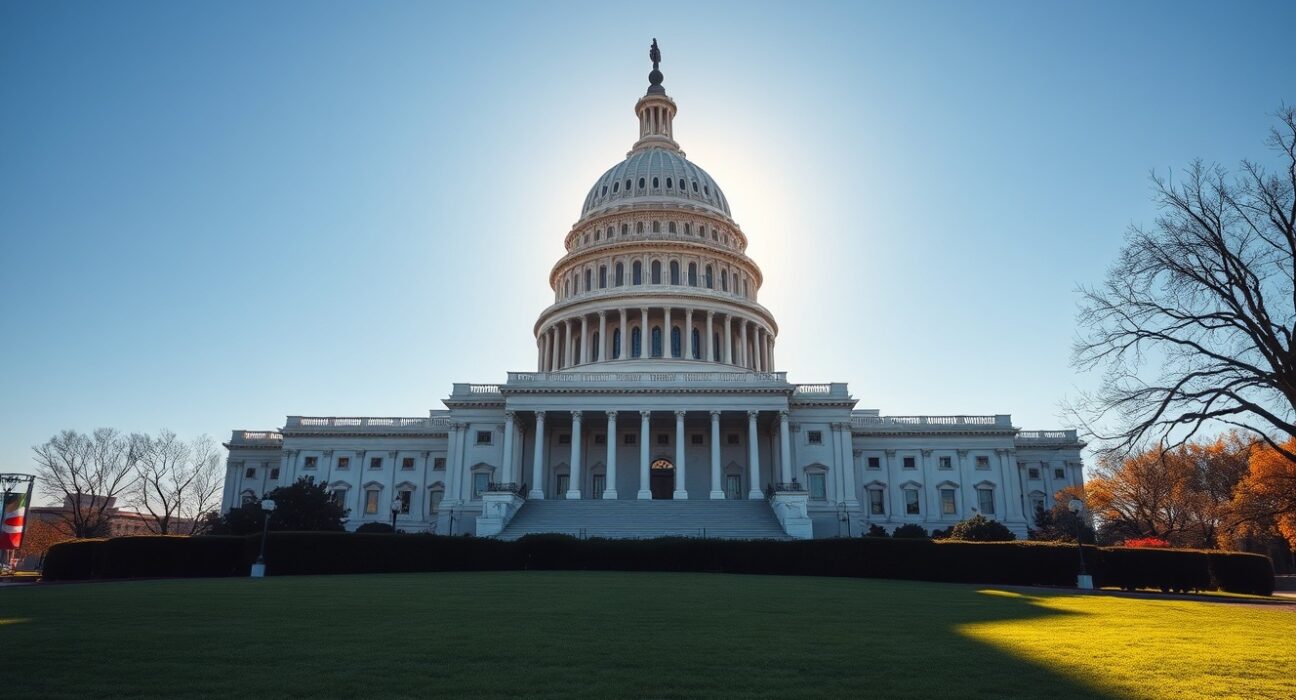
The U.S. Senate voted 85 to 5 on Tuesday to pass a housing affordability bill that includes a notable provision prohibiting the Federal Reserve from issuing a central bank digital currency (CBDC) or any equivalent digital asset, either directly or through financial institutions. The restriction is set to remain in effect until the end of 2030.
Legislative context and bipartisan support
The overwhelming bipartisan vote reflects growing skepticism in Congress toward a U.S. CBDC. The provision was inserted into the broader housing bill, which is designed to address rising home prices and supply shortages. The prohibition applies to any direct issuance by the Fed as well as indirect issuance through commercial banks or other intermediaries.
Administration and Fed alignment
The move aligns with executive action taken by President Donald Trump in January 2025, when he signed an executive order banning the executive branch from pursuing a CBDC. During his confirmation hearing, Federal Reserve Chairman Kevin Warsh described a CBDC as a “bad policy choice,” signaling continued resistance from the central bank’s leadership.
What this means for digital dollar development
The four-year prohibition effectively halts any federal CBDC pilot programs or research initiatives tied to issuance. While the Fed has previously explored CBDC concepts through research papers and technical experiments, this legislative language would block any move toward a live digital dollar. Private-sector stablecoins and existing digital payment systems remain unaffected by the ban.
Next steps and outlook
The bill now moves to the House of Representatives, where its fate is uncertain. If passed and signed by President Trump, the CBDC prohibition would become law. Supporters argue it protects financial privacy and limits government surveillance, while critics contend it could slow innovation in payment infrastructure.
Conclusion
The Senate’s action represents the most significant congressional step yet to prevent a U.S. CBDC. With the Fed chair and the White House already opposed, the path to a digital dollar appears increasingly blocked through at least the end of the decade.
FAQs
Q1: Does this bill ban all digital currencies?
No. The provision only prohibits the Federal Reserve from issuing a CBDC. It does not affect private cryptocurrencies, stablecoins, or existing digital payment systems.
Q2: Why is the CBDC ban included in a housing bill?
Lawmakers often attach unrelated policy provisions to must-pass legislation to increase their chances of enactment. The housing bill’s broad support provided a vehicle for the CBDC restriction.
Q3: Could a future Congress reverse this ban?
Yes. A subsequent Congress could pass legislation to repeal or modify the prohibition, though the current provision would remain in effect until the end of 2030 unless changed by law.
Frequently Asked Questions
What exactly does the Senate bill prohibit regarding a U.S. CBDC?
It prohibits the Federal Reserve from issuing a central bank digital currency (CBDC) or any equivalent digital asset, either directly or through financial institutions, until the end of 2030.
Why was the CBDC ban included in a housing affordability bill?
The provision was inserted into the broader housing bill as a legislative vehicle, reflecting growing bipartisan skepticism in Congress toward a U.S. CBDC.
Does this ban affect existing cryptocurrencies or stablecoins?
No, private-sector stablecoins and existing digital payment systems remain completely unaffected by the ban.
What is the next step for this bill to become law?
The bill now moves to the House of Representatives for consideration, and if passed there, it would need to be signed by President Trump to take effect.
Why do supporters of the ban argue it is necessary?
Supporters argue it protects financial privacy and limits the potential for government surveillance through a digital dollar.
Disclaimer: The information provided is not trading advice, Bitcoinworld.co.in holds no liability for any investments made based on the information provided on this page. We strongly recommend independent research and/or consultation with a qualified professional before making any investment decisions.
