
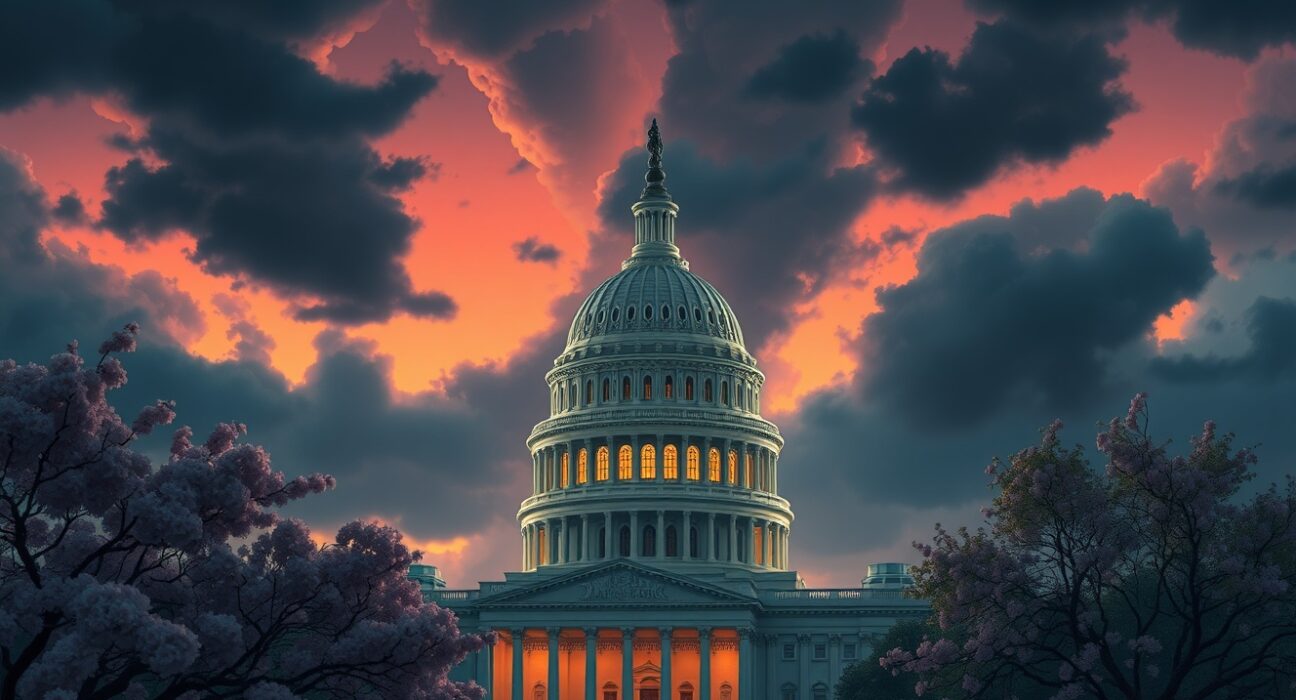
WASHINGTON, DC – December 2025: The United States faces escalating government shutdown risks after the Senate decisively rejected the House spending bill in a critical procedural vote. This legislative impasse threatens to disrupt federal operations just weeks before the current funding deadline expires. Consequently, millions of Americans could experience service interruptions while essential government functions face potential paralysis.
Government Shutdown Triggers Immediate Congressional Response
The Senate voted 52-48 against advancing the House-passed continuing resolution, according to reporting from Solidintel. This procedural blockade effectively halts the temporary funding measure. Meanwhile, lawmakers now confront a narrowing window to negotiate alternative legislation. The rejected bill proposed extending current funding levels through January 31, 2026. However, Senate leadership immediately criticized the measure’s policy riders.
Senate Majority Leader Charles Bennett stated, “This proposal contained unacceptable policy changes that would harm critical programs.” Conversely, House Speaker Margaret Rodriguez countered, “The Senate’s rejection ignores fiscal responsibility demands.” This exchange highlights the deepening partisan divide over appropriations priorities. Furthermore, the legislative calendar shows only seven working days remain before funding lapses.
Historical Context of Federal Budget Deadlocks
Congressional budget impasses have become increasingly frequent since 2010. The current situation mirrors patterns from previous shutdown threats. For instance, the 2013 shutdown lasted 16 days and cost the economy approximately $24 billion. Similarly, the 2018-2019 partial shutdown extended for 35 days, the longest in U.S. history. These precedents demonstrate the substantial economic consequences of funding gaps.
Recent data from the Congressional Research Service reveals concerning trends:
| Year | Shutdown Duration | Estimated Economic Impact |
|---|---|---|
| 2013 | 16 days | $24 billion |
| 2018-2019 | 35 days | $11 billion |
| 2023 | Near-miss | Minimal disruption |
Budget experts note several recurring conflict points. These typically include:
- Discretionary spending caps for defense and domestic programs
- Policy riders addressing controversial social issues
- Emergency funding for natural disasters and international crises
- Debt ceiling considerations intertwined with appropriations
Economic Impacts and Market Reactions
Financial markets responded cautiously to the legislative developments. The Dow Jones Industrial Average dropped 180 points following the Senate vote announcement. Additionally, Treasury bond yields showed increased volatility. Economists predict several immediate consequences if shutdown procedures activate. Federal employees would face furloughs across numerous agencies. National parks and museums would likely close their gates to visitors. Moreover, passport and visa processing would experience significant delays.
Small business owners particularly worry about SBA loan processing interruptions. “Our expansion plans depend on timely approval,” explained Maria Chen, owner of a manufacturing startup. Similarly, government contractors anticipate payment delays affecting payroll. The Office of Management and Budget has begun preparing contingency plans. Essential services including air traffic control and border security would continue operating. However, non-essential functions would suspend immediately upon funding expiration.
Political Dynamics and Negotiation Pathways
The current appropriations struggle reflects broader political realignments. House Republicans maintain narrow majority control with 221 seats. Meanwhile, Senate Democrats hold 51 seats including three independents. This divided government structure complicates consensus building. Both chambers must reconcile significantly different spending priorities. The House bill emphasized defense spending increases and border security funding. Conversely, Senate Democrats prioritize healthcare and education program expansions.
Several potential compromise solutions are emerging. These include:
- A clean continuing resolution without policy riders
- A minibus package combining several appropriations bills
- An omnibus spending bill covering all twelve appropriations areas
- A short-term extension allowing additional negotiation time
Negotiators from both chambers have scheduled emergency meetings this week. Bipartisan groups including the Problem Solvers Caucus are developing alternative proposals. However, time constraints severely limit options. Congressional leaders must balance principle with pragmatism. Ultimately, they face pressure from constituents demanding functional governance.
Constitutional Framework and Procedural Options
The U.S. Constitution grants Congress exclusive power over appropriations. Article I, Section 9 states, “No money shall be drawn from the Treasury, but in Consequence of Appropriations made by Law.” This fundamental principle underlies all spending authority. The Antideficiency Act further prohibits federal agencies from obligating funds without congressional approval. Therefore, agencies must cease operations when appropriations lapse.
Congress possesses several procedural mechanisms to resolve funding gaps. These include unanimous consent agreements to expedite legislation. Additionally, leadership can employ suspension of the rules requiring two-thirds majority votes. Conference committees could reconcile House and Senate differences. However, each option requires bipartisan cooperation currently lacking. The legislative calendar shows diminishing opportunities for complex maneuvers.
Public Services and National Security Implications
Federal agencies have begun implementing shutdown contingency plans. The Department of Homeland Security would retain approximately 85% of employees. These essential personnel include TSA agents and border patrol officers. Conversely, the Environmental Protection Agency would furlough nearly 94% of staff. National Institutes of Health would delay new clinical trial enrollments. Additionally, NASA would suspend most research activities.
Military operations would continue under existing authorities. However, civilian Defense Department employees face furloughs. Defense Secretary Amanda Pierce confirmed, “Combat operations will continue without interruption.” Nevertheless, maintenance and training activities would experience disruptions. Veterans’ benefits payments would proceed as they derive from mandatory spending. Social Security and Medicare checks would also continue uninterrupted.
Conclusion
The government shutdown crisis represents a critical test of American governance. The Senate’s rejection of the House spending bill highlights persistent congressional divisions. Consequently, millions of Americans face potential service disruptions. Historical precedents demonstrate the substantial economic costs of funding lapses. However, multiple legislative pathways remain available to avert shutdown procedures. Ultimately, congressional leaders must prioritize national stability over partisan objectives. The coming days will determine whether statesmanship prevails in this high-stakes appropriations battle.
FAQs
Q1: What happens immediately when a government shutdown begins?
Federal agencies suspend non-essential operations, furlough employees, and close public facilities. Essential services including national security and public safety continue functioning.
Q2: How many federal employees would be affected by a shutdown?
Approximately 800,000 federal workers faced furloughs during the 2018-2019 shutdown. Current estimates suggest similar numbers would affect the 2025 workforce.
Q3: Do members of Congress continue receiving pay during shutdowns?
Yes, congressional salaries continue as constitutional requirements. However, many members voluntarily donate or withhold their pay during funding gaps.
Q4: What’s the difference between a partial and full government shutdown?
Partial shutdowns occur when some appropriations bills pass while others stall. Full shutdowns happen when no spending legislation receives approval before deadlines.
Q5: How quickly do government services resume after shutdowns end?
Most agencies restore operations within one business day after funding resumes. However, some programs experience longer recovery periods due to backlogs and procedural requirements.
Disclaimer: The information provided is not trading advice, Bitcoinworld.co.in holds no liability for any investments made based on the information provided on this page. We strongly recommend independent research and/or consultation with a qualified professional before making any investment decisions.