

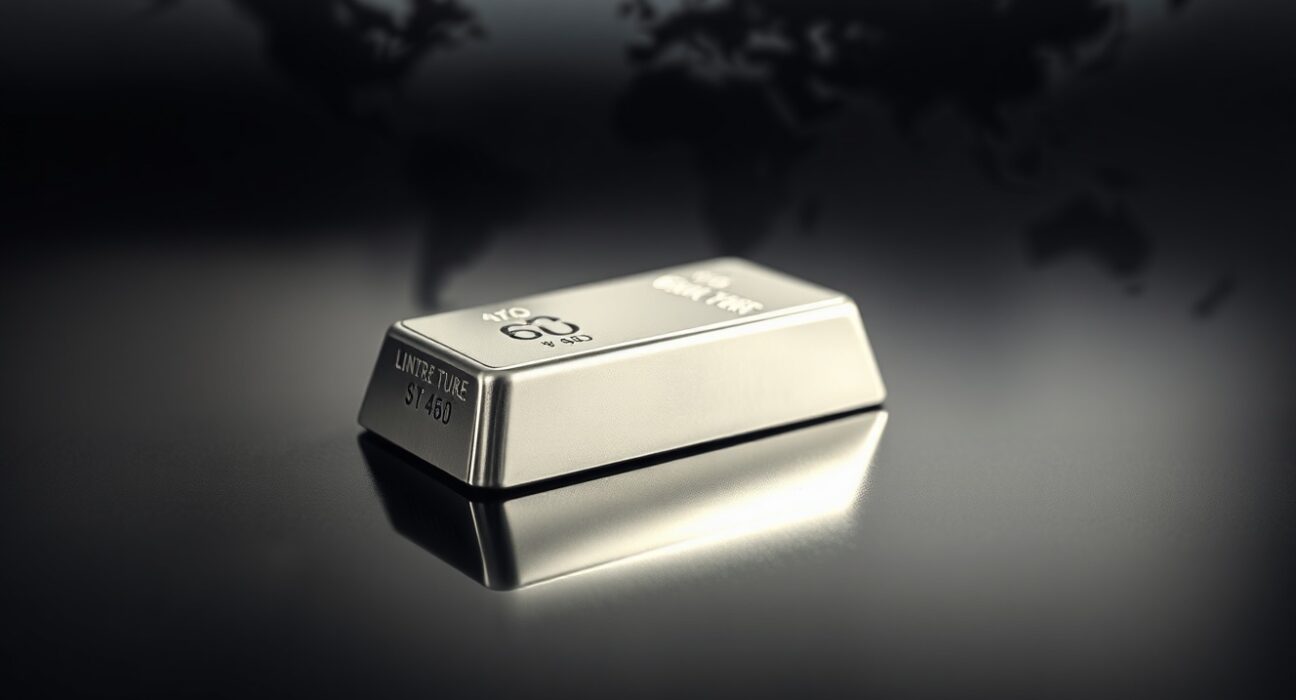
Silver prices edged higher on [Date of publication, e.g., Monday], as escalating geopolitical tensions bolstered safe-haven demand, countering persistent concerns over inflation and potential interest rate hikes. The precious metal traded near $[Current price level, e.g., 24.50] per ounce, reflecting a cautious market mood.
Geopolitical Risks Drive Safe-Haven Flows
Investors turned to silver and other precious metals as geopolitical risks, including [specific event, e.g., escalating conflict in Eastern Europe and tensions in the Middle East], heightened uncertainty. Silver, often viewed as both a monetary metal and an industrial commodity, benefits from its dual role during periods of instability. The safe-haven bid has provided a floor under prices, preventing a deeper decline despite headwinds from a stronger U.S. dollar and rising bond yields.
Inflation Data and Fed Policy Remain in Focus
Despite the geopolitical support, silver’s upside remains capped by persistent inflation concerns. Recent data showed [specific inflation data, e.g., U.S. CPI holding above 3%], reinforcing expectations that the Federal Reserve will maintain its hawkish stance. Higher interest rates increase the opportunity cost of holding non-yielding assets like silver, putting downward pressure on prices. Market participants are closely watching upcoming Fed meetings for clues on the pace of future rate adjustments.
Industrial Demand Provides a Counterbalance
Silver’s industrial applications, particularly in solar energy, electronics, and automotive manufacturing, provide a fundamental demand driver that differentiates it from gold. While near-term price action is dominated by macro factors, the long-term outlook for silver demand remains robust. Analysts point to the global energy transition and increasing electrification as key structural supports for silver consumption.
Conclusion
Silver prices are caught between opposing forces: geopolitical tensions that fuel safe-haven buying and inflation concerns that support a tighter monetary policy. The metal’s dual nature as both a financial and industrial asset adds complexity to its outlook. For now, traders are likely to remain focused on developments in global hotspots and central bank communications for directional cues.
FAQs
Q1: Why does geopolitical tension boost silver prices?
Geopolitical uncertainty increases demand for safe-haven assets, including silver, as investors seek to preserve capital. Silver’s historical role as a store of value and its physical properties make it a popular choice during times of crisis.
Q2: How does inflation affect silver prices?
Inflation can have a mixed impact on silver. On one hand, silver is seen as a hedge against inflation, attracting buyers. On the other hand, high inflation often leads to higher interest rates, which increase the opportunity cost of holding silver and can weigh on prices.
Q3: What is the outlook for silver in the current environment?
The near-term outlook for silver is tied to the interplay between geopolitical risks and monetary policy. Strong industrial demand provides a long-term support, but prices may remain volatile until there is greater clarity on the path of interest rates and global stability.
Disclaimer: The information provided is not trading advice, Bitcoinworld.co.in holds no liability for any investments made based on the information provided on this page. We strongly recommend independent research and/or consultation with a qualified professional before making any investment decisions.
