

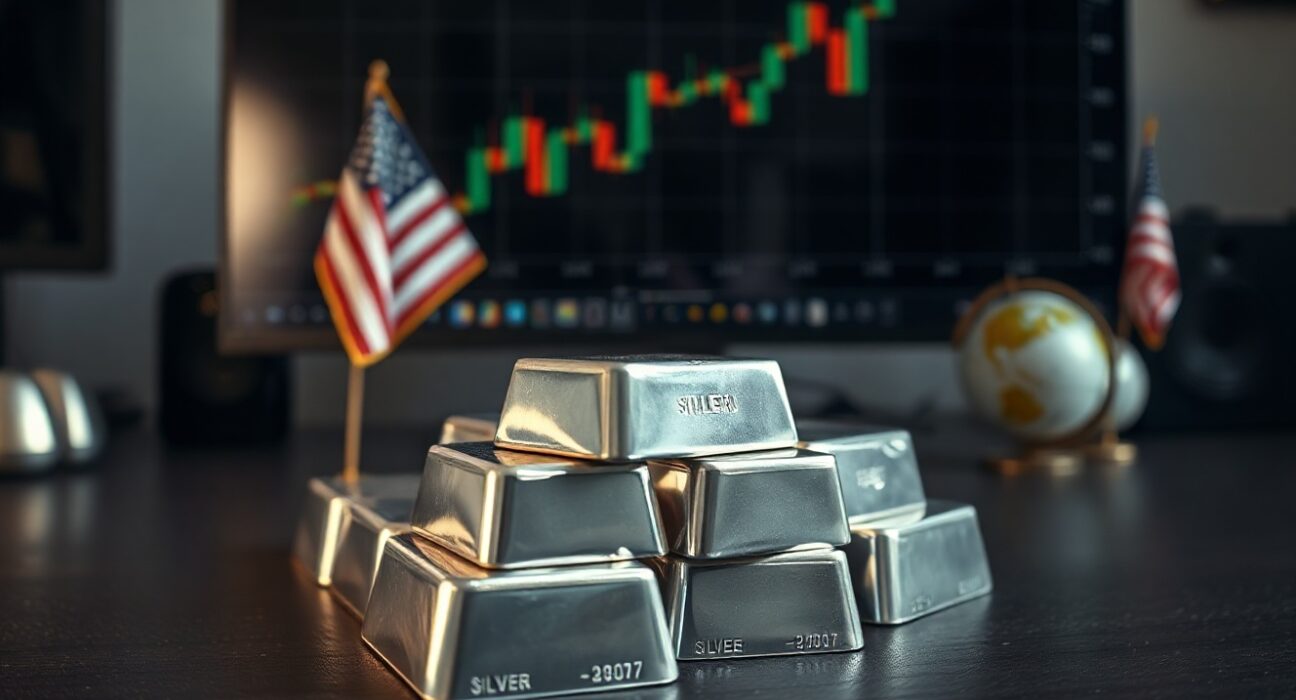
Silver prices edged higher on Tuesday as diplomatic progress between the United States and Iran eased geopolitical risk premiums, though gains remained limited by a hawkish stance from the Federal Reserve that continues to strengthen the U.S. dollar and weigh on precious metals.
Diplomatic Developments Provide Temporary Support
Reports of constructive talks between U.S. and Iranian officials regarding a potential framework for nuclear negotiations reduced safe-haven demand for silver and gold. Investors typically rotate into precious metals during heightened geopolitical tensions, so any signs of de-escalation can trigger profit-taking or limit upside. However, the silver market’s reaction was measured, suggesting that broader macroeconomic factors remain the dominant driver.
Hawkish Fed Rhetoric Caps Gains
Federal Reserve officials have maintained a cautious tone in recent speeches, signaling that interest rate cuts are unlikely in the near term despite cooling inflation. Higher interest rates increase the opportunity cost of holding non-yielding assets like silver, while a stronger dollar makes the metal more expensive for international buyers. This dynamic has kept silver trading within a narrow range, unable to break above key resistance levels near $25 per ounce.
What This Means for Investors
For silver traders and investors, the current environment presents a mixed picture. On one hand, geopolitical risks remain elevated globally, providing a floor for prices. On the other hand, tight monetary policy and a resilient U.S. economy limit the metal’s upside potential. Industrial demand for silver, particularly from the solar energy and electronics sectors, continues to provide fundamental support, but short-term price action is likely to remain driven by currency and interest rate expectations.
Conclusion
Silver’s price action reflects a tug-of-war between easing geopolitical tensions and restrictive monetary policy. While diplomatic progress between the U.S. and Iran removes one source of uncertainty, the Fed’s commitment to higher-for-longer rates keeps the dollar strong and precious metals under pressure. Investors should watch for further clarity on both fronts before expecting a decisive breakout in silver prices.
FAQs
Q1: Why does US-Iran diplomacy affect silver prices?
Silver is often bought as a safe-haven asset during geopolitical uncertainty. Progress in US-Iran talks reduces that uncertainty, which can limit safe-haven buying. However, other factors like Fed policy and industrial demand also play major roles.
Q2: How does a hawkish Fed impact silver?
A hawkish Fed typically means higher interest rates and a stronger U.S. dollar. Higher rates increase the opportunity cost of holding silver, which offers no yield, while a stronger dollar makes silver more expensive for foreign buyers, reducing demand.
Q3: What is the outlook for silver prices in the near term?
Silver is likely to remain range-bound in the near term, supported by industrial demand and ongoing global uncertainties, but capped by the Fed’s tight monetary policy. A clearer direction may emerge once the Fed signals a shift toward rate cuts.
Disclaimer: The information provided is not trading advice, Bitcoinworld.co.in holds no liability for any investments made based on the information provided on this page. We strongly recommend independent research and/or consultation with a qualified professional before making any investment decisions.
