

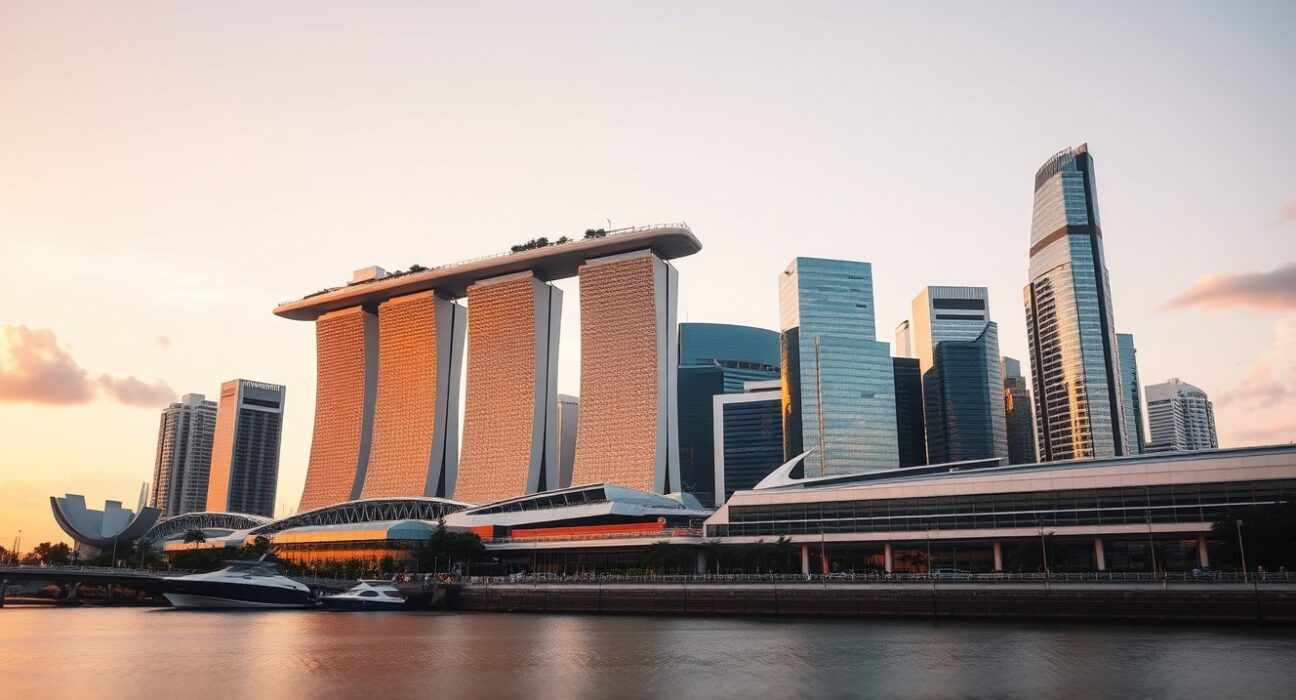
Singapore’s economy is demonstrating notable resilience amid global headwinds, with artificial intelligence-related demand emerging as a significant growth driver, according to a recent analysis from DBS Group Research. The report underscores how the city-state is leveraging its strategic position in the global semiconductor and electronics supply chain to capture opportunities from the AI boom.
Growth Forecast and Key Drivers
DBS economists project Singapore’s gross domestic product to expand by a steady pace in 2025, supported by a recovery in manufacturing and sustained strength in services. The report highlights that the electronics cluster, particularly semiconductor production and advanced packaging, is benefiting from surging demand for AI chips and data center infrastructure. This aligns with the broader regional trend where Southeast Asian economies are seeing increased foreign investment in tech-related manufacturing.
The analysis also points to a robust labor market and moderating inflation as supporting domestic consumption. While external demand remains a variable, Singapore’s diversified trade links and pro-business environment provide a buffer against global economic fluctuations.
AI Tailwinds and Semiconductor Demand
A central theme of the DBS report is the structural uplift from artificial intelligence. Singapore is home to several major semiconductor fabrication plants and has attracted significant investments in AI research and development. The government’s National AI Strategy and initiatives like the AI Verify Foundation are positioning the country as a regional hub for AI governance and innovation.
The report notes that global demand for AI-related hardware, including high-bandwidth memory and advanced logic chips, is creating spillover effects for Singapore’s manufacturing sector. This is expected to partially offset weakness in other export segments, such as chemicals and precision engineering, which face softer demand from China and Europe.
Implications for Investors and Policymakers
For investors, the DBS analysis suggests that Singapore-listed companies with exposure to the semiconductor and AI supply chain could see sustained earnings growth. The report also flags potential upside from the recovery in the non-oil domestic exports segment, which has been under pressure for several quarters.
From a policy perspective, the resilience narrative supports the Monetary Authority of Singapore’s current stance of maintaining a modest appreciation path for the Singapore dollar. The central bank is expected to keep its exchange rate policy unchanged in the near term, given that inflation is moderating and growth remains on track.
Conclusion
DBS’s assessment reinforces the view that Singapore is well-positioned to navigate global economic uncertainties, thanks to its strategic focus on high-value manufacturing and digital economy growth. The AI tailwinds, in particular, provide a meaningful buffer against external headwinds. While risks remain—including geopolitical tensions and a potential slowdown in global tech spending—the outlook for Singapore’s economy remains cautiously optimistic.
FAQs
Q1: What is the main driver of Singapore’s economic resilience according to DBS?
DBS highlights AI-related demand, particularly in semiconductors and advanced electronics, as a key growth driver alongside a strong labor market and moderating inflation.
Q2: How is Singapore benefiting from the global AI boom?
Singapore’s semiconductor manufacturing sector, including advanced packaging and chip production, is experiencing increased demand from AI hardware needs. Government initiatives in AI governance also attract investment.
Q3: What risks does the DBS report identify for Singapore’s economy?
The report notes risks from global geopolitical tensions, weaker demand from China and Europe, and potential slowdowns in global tech spending that could affect export segments.
Disclaimer: The information provided is not trading advice, Bitcoinworld.co.in holds no liability for any investments made based on the information provided on this page. We strongly recommend independent research and/or consultation with a qualified professional before making any investment decisions.
