

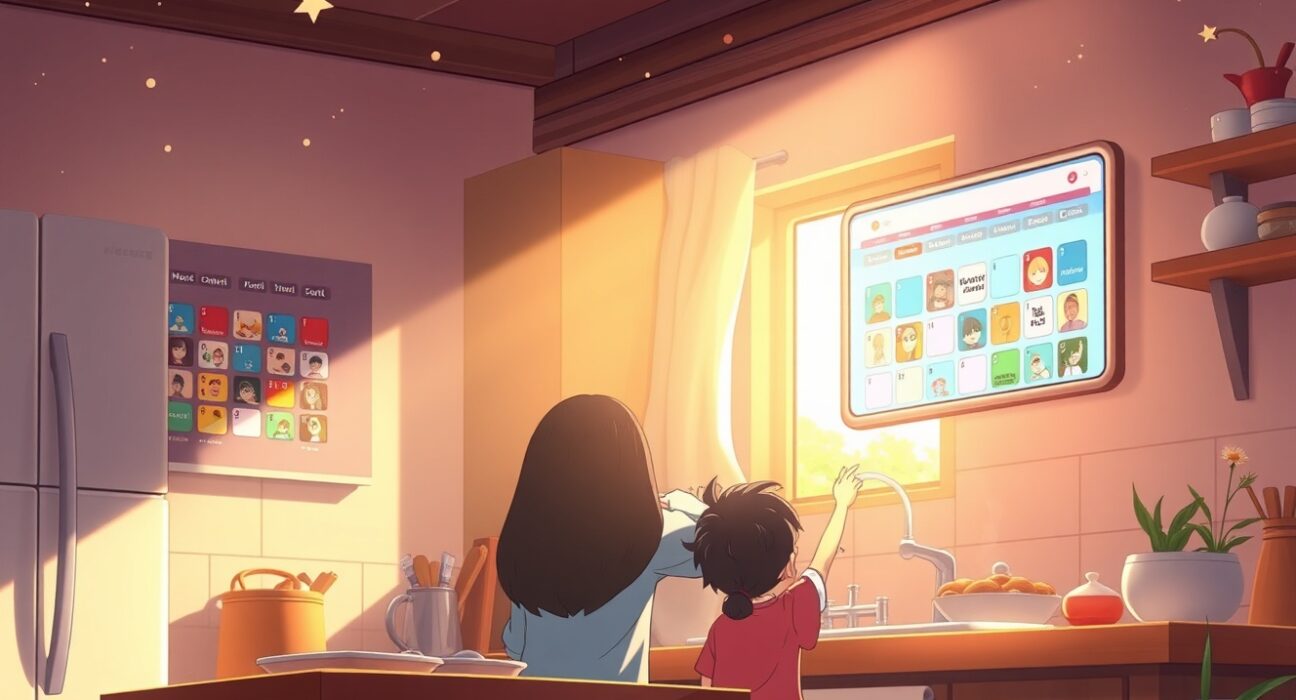
LAS VEGAS, NV – JANUARY 2026. In a bustling world where family schedules often resemble air traffic control logs, Skylight has unveiled a potential game-changer at CES 2026. The Skylight Calendar 2, a sleek evolution of the company’s popular digital family organizer, aims to transform household chaos into coordinated calm through advanced AI and intuitive design, building on a user base of over 1.3 million families.
Skylight Calendar 2: More Than Just a Pretty Screen
Skylight’s journey began with digital picture frames, but its strategic pivot to family organization software has proven prescient. The new Calendar 2 represents a refined middle ground in hardware. It offers a design sleeker than the original 15-inch model yet more compact than the wall-dominating 27-inch Calendar Max. Crucially, users can swap its frame for different colors. However, the device’s true power lies not in its physical form but in its underlying intelligence.
The core calendar function acts as a universal aggregator. It seamlessly mashes together schedules from Google Calendar, iCal, Microsoft services, and even niche platforms like youth sports app TeamSnap. A color-coded system provides an instant, at-a-glance view of every family member’s commitments. This integration solves a primary pain point: the fragmentation of modern digital lives across multiple apps and services.
AI-Powered Features Tackle Real Family Friction
Skylight Calendar 2 introduces several AI-driven capabilities designed for practical, everyday use. One standout feature addresses the perennial problem of paper-based information. Parents can simply snap a photo of a paper flyer from a child’s backpack or an email containing key dates. The AI then parses the image, extracts event details, and automatically populates the family calendar. This bridges the gap between analog reminders and digital organization.
Meal planning and grocery management receive significant upgrades. The system allows families to plan meals, from simple designations like “Taco Tuesday” to full recipe integration. When a recipe is selected, the AI can automatically generate a shopping list of required ingredients. Furthermore, it can push that list directly to grocery delivery apps like Instacart. Another clever feature enables users to photograph the contents of their refrigerator. The AI then suggests recipes based on available ingredients, reducing food waste and simplifying dinner decisions.
The Design Philosophy: Accessibility for All Ages
Skylight’s software demonstrates a thoughtful approach to universal usability. The interface employs simple navigation, bold pops of color, and clear imagery. This design ensures that even young children who cannot yet read can interact with the system. For example, a child can identify and check off their assigned chores by recognizing corresponding pictures. This inclusive design philosophy extends the product’s utility beyond just parental management to involve the entire family unit.
The device maintains its heritage as a digital frame, displaying family photo albums during downtime. This dual-purpose functionality helps it blend into the home as a decorative piece rather than a purely utilitarian gadget. The combination of organization tools and personal memories positions the Calendar 2 as a central family hub.
Market Context and Consumer Resonance
The launch occurs against a backdrop of growing demand for integrated smart home solutions that address lifestyle management, not just device control. Skylight’s success is notable; the company has been bootstrapped and profitable since inception. Reaching 1.3 million families indicates a strong product-market fit for digital family organization. The Calendar 2’s launch at CES, a premier technology showcase, signals Skylight’s ambition to capture a larger segment of the smart home market.
Industry analysts observe a trend toward “ambient computing” in homes—where technology assists quietly in the background. The Calendar 2’s ability to sync disparate data sources and automate tedious tasks like list-making aligns perfectly with this trend. Its focus on solving genuine, recurring problems like schedule coordination and meal planning distinguishes it from gadgets offering novelty over utility.
Conclusion
The Skylight Calendar 2 emerges as a sophisticated response to the organizational demands of modern family life. By leveraging AI to automate syncing, list creation, and meal suggestions, it reduces mental load and administrative friction. Its accessible design invites participation from all family members, fostering shared responsibility. As a profitable company serving millions, Skylight’s latest offering at CES 2026 refines a proven formula, suggesting that the future of home technology lies not in more screens, but in smarter systems that simplify our daily routines. The Skylight Calendar 2 represents a significant step toward that integrated, hassle-free future.
FAQs
Q1: What makes the Skylight Calendar 2 different from a regular tablet or smart display?
The Skylight Calendar 2 is a dedicated ecosystem built specifically for family organization. Its core value is the proprietary software that deeply integrates and unifies calendars from many sources (Google, Apple, sports apps) and uses AI to add events from photos of flyers or manage groceries, which generic devices do not do seamlessly.
Q2: Does the Skylight Calendar 2 require a subscription?
Based on Skylight’s historical model, the core calendar and organization features typically come with the device. Some advanced AI-powered features or premium integrations with third-party services may involve optional subscriptions, but the company has maintained a focus on providing substantial value without mandatory recurring fees.
Q3: How does the device protect family privacy and data?
Skylight handles sensitive family schedule and photo data. The company likely employs end-to-end encryption for data syncing and stores minimal personal data on its servers. Users should review the specific privacy policy for the Calendar 2, but family-focused companies generally prioritize robust security measures.
Q4: Can it work with smart home devices like lights or thermostats?
While its primary function is scheduling and family management, integration with other smart home ecosystems (like setting a “Good Morning” scene when the first calendar event starts) is a logical evolution. The initial CES 2026 announcement focuses on its core organizational prowess.
Q5: What is the price and release date for the Skylight Calendar 2?
The official price and specific shipping date were announced at CES 2026. It is positioned between the original Calendar and the larger Calendar Max, suggesting a mid-range price point for the smart home category. Details are available on Skylight’s official website following the unveiling.
Disclaimer: The information provided is not trading advice, Bitcoinworld.co.in holds no liability for any investments made based on the information provided on this page. We strongly recommend independent research and/or consultation with a qualified professional before making any investment decisions.
