

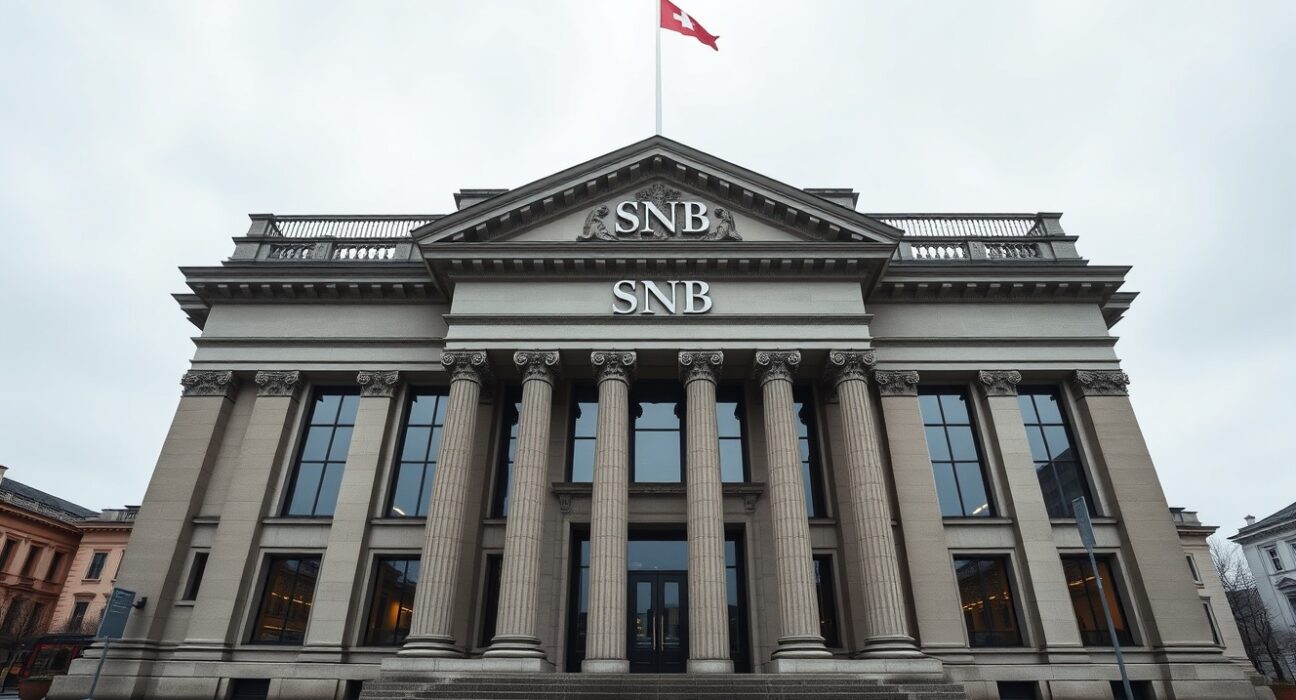
The Swiss National Bank (SNB) is intensifying its preparedness to act against further appreciation of the Swiss franc, Vice Chairman Martin Schlegel stated, signaling a more assertive stance on currency market intervention. The remarks, delivered during a recent economic forum, underscore the central bank’s ongoing concern over the franc’s strength, which pressures Swiss exporters and dampens inflation.
Schlegel’s Intervention Warning
Schlegel emphasized that the SNB remains willing to intervene in foreign exchange markets as needed, reiterating that the franc’s valuation remains a key focus for monetary policy. “We are raising our readiness to intervene if necessary,” he said, without specifying a trigger level for action. The comments come amid a period of relative stability for the franc, but with persistent upside risks due to global economic uncertainty and safe-haven demand.
The SNB has a long history of intervening to weaken the franc, including during the eurozone debt crisis and more recently in 2022-2023. Schlegel’s latest remarks suggest the bank is prepared to resume or intensify such operations if the currency strengthens significantly, potentially through direct market sales of francs or by adjusting interest rate differentials.
Implications for Swiss Economy and Markets
A stronger franc makes Swiss exports more expensive abroad, hurting key sectors like machinery, chemicals, and tourism. The SNB’s readiness to intervene aims to provide a floor under the euro-franc exchange rate, which has hovered near 0.94 in recent weeks. Analysts view Schlegel’s statement as a verbal intervention designed to manage market expectations without immediate action.
Currency traders are now watching for any actual intervention, which could involve large-scale franc selling. The SNB’s balance sheet already reflects significant foreign currency reserves built up from past interventions, giving it ample firepower. However, the effectiveness of such measures remains debated, as structural factors like Switzerland’s current account surplus continue to support the franc.
Market Reaction and Outlook
The franc initially weakened slightly against the euro following Schlegel’s comments, but the move was modest. Investors are likely to remain cautious, as the SNB has a reputation for acting decisively when its threshold is crossed. The bank’s next monetary policy meeting in March will provide further clarity on its stance.
For Swiss households, a weaker franc could mean slightly higher import prices, but the broader impact on inflation remains limited given the SNB’s overall price stability mandate. The central bank currently targets inflation of 0-2%, and recent data shows it within that range.
Conclusion
Schlegel’s remarks reinforce the SNB’s commitment to managing the franc’s exchange rate through active intervention readiness. While no immediate action has been taken, the message serves as a clear signal to markets that the central bank will not tolerate excessive appreciation. The coming months will test whether verbal warnings suffice or if the SNB must again deploy its currency intervention toolkit.
FAQs
Q1: Why does the SNB intervene against a strong Swiss franc?
A: A strong franc hurts Swiss exporters by making their goods more expensive abroad, and it also reduces imported inflation, which can push the economy toward deflation. The SNB intervenes to maintain price stability and support economic growth.
Q2: How does the SNB intervene in currency markets?
A: The SNB typically sells Swiss francs and buys foreign currencies like euros or dollars, increasing the supply of francs in the market to weaken its value. It may also adjust interest rates or use forward guidance to influence expectations.
Q3: Has the SNB intervened recently?
A: The SNB conducted significant interventions in 2022 and early 2023 to counter franc strength during global market turmoil. Since then, it has reduced its intervention pace but remains prepared to act as needed, as indicated by Schlegel’s latest comments.
Disclaimer: The information provided is not trading advice, Bitcoinworld.co.in holds no liability for any investments made based on the information provided on this page. We strongly recommend independent research and/or consultation with a qualified professional before making any investment decisions.
