

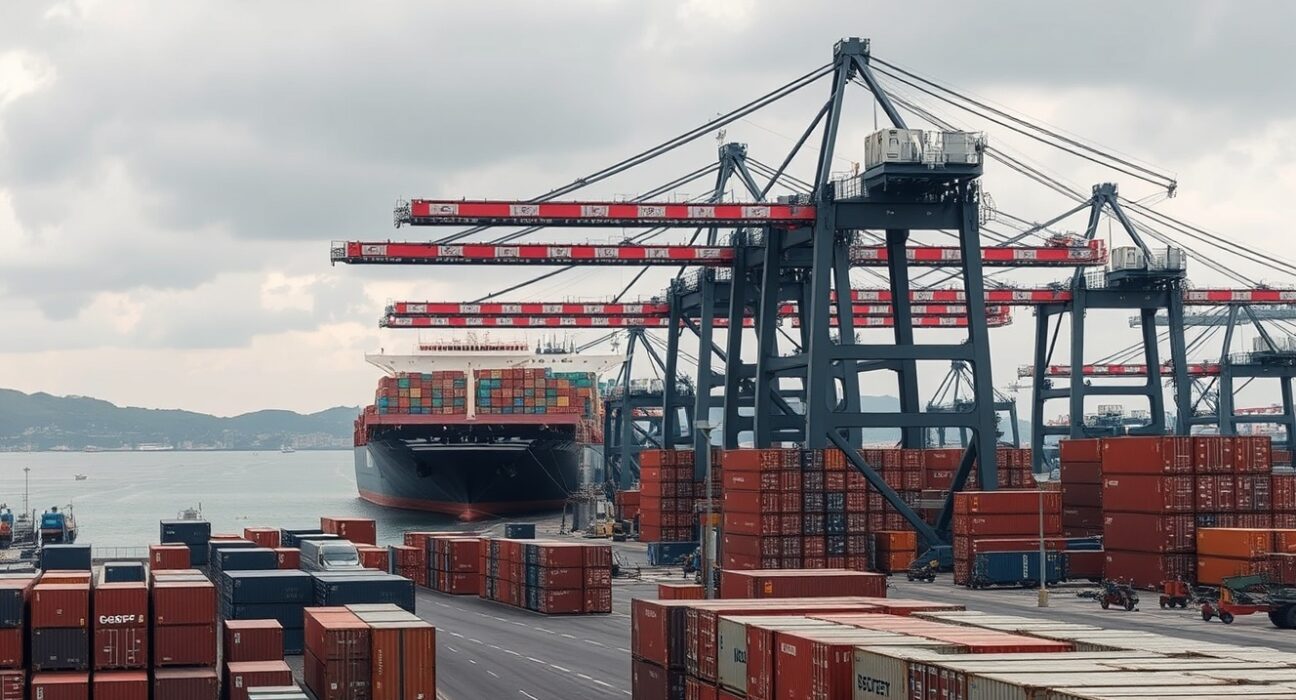
South Africa’s trade balance recorded a deficit of -1.79 billion rand in May, a sharp reversal from the revised surplus of 15.16 billion rand in April, according to the latest data from the South African Revenue Service (SARS). The figure underscores the volatile nature of the country’s trade flows, which are heavily influenced by global commodity prices and domestic economic activity.
Key Drivers Behind the Shift
The swing into deficit was primarily driven by a notable increase in the value of imports, which outpaced export growth. While specific product-level data is still being analyzed, the trend suggests a rebound in domestic demand for machinery, equipment, and intermediate goods. On the export side, while mineral and metal shipments remain significant, price fluctuations and logistical constraints at major ports continue to pose challenges. The data highlights the persistent structural vulnerabilities in South Africa’s external sector, including its reliance on a narrow basket of commodity exports.
Economic and Market Implications
For the South African rand, a trade deficit can add to depreciation pressures, as it implies a net outflow of foreign currency. However, the impact is often moderated by other capital flows. The swing also has implications for the country’s current account, a key metric monitored by credit rating agencies. A sustained period of deficits could raise concerns about external financing, particularly given the country’s elevated public debt levels. Analysts will be watching the June data closely to determine if this is a one-off monthly fluctuation or the start of a broader trend.
Context for Readers
This monthly trade data is a critical economic indicator for businesses, investors, and policymakers. For importers, a weaker rand and rising import volumes can squeeze profit margins. For exporters, the focus remains on global demand and port efficiency. The data also provides a real-time snapshot of how South Africa’s economy is interacting with the global trade environment, which is currently facing headwinds from geopolitical tensions and slowing growth in key markets like China and Europe.
Conclusion
South Africa’s trade balance swung from a substantial surplus to a deficit in May, driven by a surge in imports. While a single month does not define a trend, the data warrants close monitoring for its potential impact on the rand, the current account, and broader economic stability. The next release will be crucial in determining whether this represents a temporary adjustment or a more sustained shift in the country’s trade dynamics.
FAQs
Q1: What does a trade deficit mean for South Africa?
A trade deficit means the value of goods imported into the country exceeded the value of goods exported. This can put downward pressure on the rand and may signal strong domestic demand or weak export competitiveness.
Q2: Why did the trade balance swing so sharply from April to May?
The primary reason was a significant increase in the value of imports. While exports also grew, they did not keep pace with the rise in imports, leading to the deficit.
Q3: Is this trade deficit a cause for concern?
A single monthly deficit is not necessarily alarming, but it is a data point to watch. If the trend continues over several months, it could have more significant implications for the rand and the country’s current account balance.
Disclaimer: The information provided is not trading advice, Bitcoinworld.co.in holds no liability for any investments made based on the information provided on this page. We strongly recommend independent research and/or consultation with a qualified professional before making any investment decisions.
