

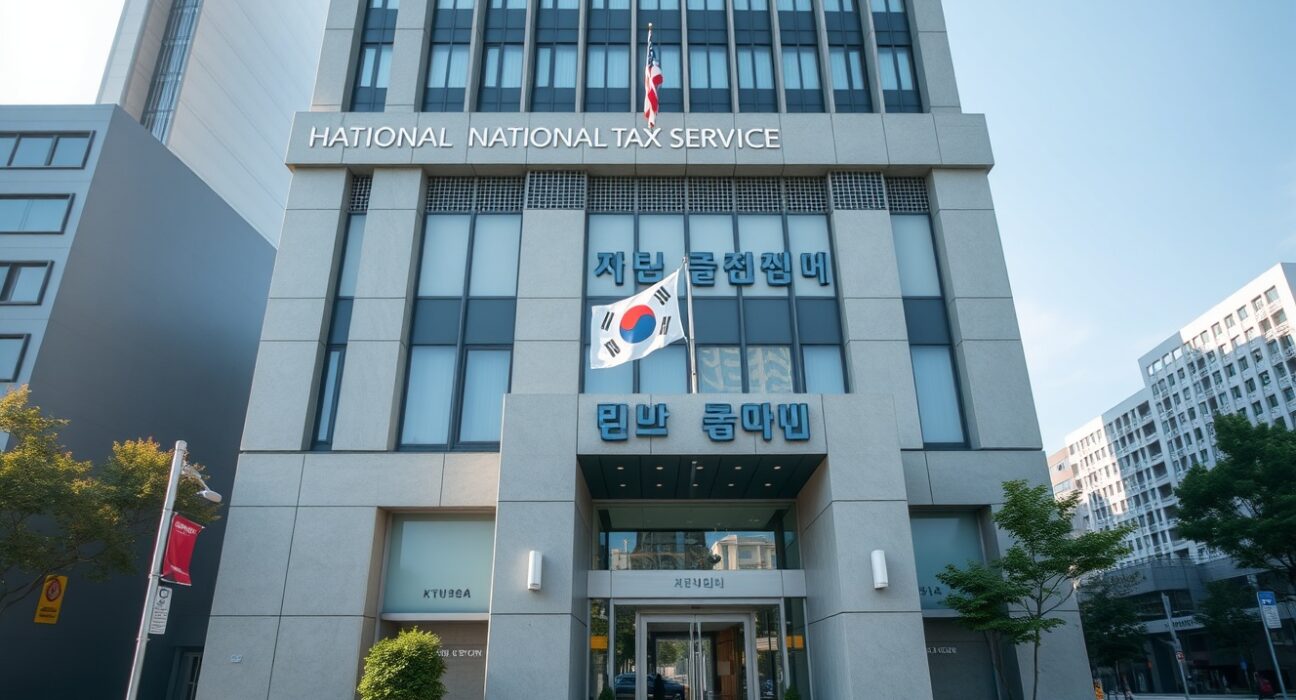
South Korea’s National Tax Service (NTS) has taken a significant step toward regulating digital assets by establishing a new Digital Asset Division dedicated to preparing for the taxation of virtual assets. The division, which began formal operations this month, is tasked with overseeing all tax-related matters for cryptocurrencies and other digital assets, signaling the government’s intent to enforce tax compliance in the sector starting next January.
New Division Structure and Leadership
The NTS appointed Lee Soon-yong, previously head of the Nam-Bucheon Tax Office, as the director of the Digital Asset Division on June 30. The division is structured with three internal teams that will focus on different aspects of virtual asset taxation. This marks the first time a central government department in South Korea has included ‘Digital Asset’ in its name and been given comprehensive oversight responsibilities.
Core Responsibilities and Scope
The Digital Asset Division’s mandate covers a broad range of tasks essential for implementing the upcoming tax regime. Its key responsibilities include:
- Planning and refining the virtual asset tax system
- Overseeing the virtual asset management framework
- Developing the virtual asset IT system for tax reporting and compliance
- Responding to current issues related to virtual assets
- Handling other tasks related to virtual asset taxation and management
This comprehensive approach indicates that South Korea is moving beyond simply announcing tax policies and is now building the administrative infrastructure needed to enforce them effectively.
Why This Matters for Crypto Investors and the Market
The establishment of a dedicated division within the NTS underscores South Korea’s commitment to bringing digital assets into the formal tax system. For cryptocurrency investors and exchanges operating in South Korea, this development signals that tax enforcement will be rigorous and systematic. The division’s focus on developing an IT system specifically for virtual assets suggests that the NTS intends to leverage technology for tracking and reporting, which could increase transparency but also raise privacy concerns among users.
South Korea has one of the most active cryptocurrency markets in the world, and its regulatory moves often influence global trends. The creation of a specialized tax division could serve as a model for other countries grappling with how to tax digital assets effectively. It also reflects a broader shift from regulatory ambiguity to structured enforcement in the crypto space.
Conclusion
South Korea’s National Tax Service has taken a concrete step toward implementing its virtual asset tax regime by establishing the Digital Asset Division. With a dedicated director and three internal teams, the agency is building the capacity to oversee taxation, develop necessary IT systems, and address emerging issues. As the January 2025 implementation date approaches, this move signals that the government is serious about enforcing tax compliance in the digital asset sector, which will have direct implications for investors, exchanges, and the broader crypto ecosystem.
FAQs
Q1: When will South Korea’s crypto tax take effect?
The tax on digital assets is scheduled to begin in January 2025, and the new Digital Asset Division is preparing the necessary systems and regulations for implementation.
Q2: What will the Digital Asset Division do?
The division will oversee all tax-related tasks for virtual assets, including planning the tax system, managing the asset framework, developing IT systems for reporting, and responding to current issues in the sector.
Q3: Who is leading the new division?
Lee Soon-yong, formerly head of the Nam-Bucheon Tax Office, was appointed as the director of the Digital Asset Division on June 30.
Disclaimer: The information provided is not trading advice, Bitcoinworld.co.in holds no liability for any investments made based on the information provided on this page. We strongly recommend independent research and/or consultation with a qualified professional before making any investment decisions.
