
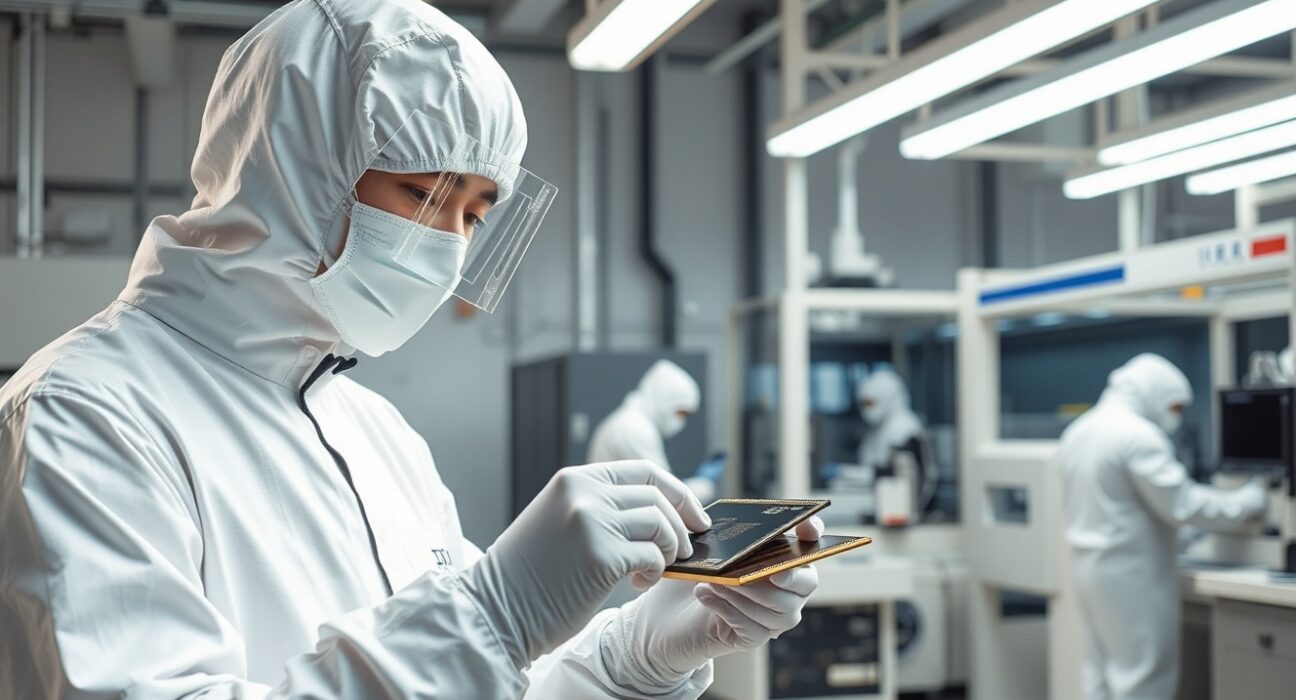
SEOUL, South Korea – The nation’s economic trajectory for 2025 appears increasingly resilient, bolstered by a potent combination of rebounding semiconductor exports and proactive government fiscal measures, according to a recent analysis by ING Bank. This dual-engine support system is crucial for navigating global economic uncertainties and sustaining momentum.
South Korea’s Growth Outlook: A Semiconductor Resurgence
South Korea’s export-driven economy is witnessing a significant tailwind from the global semiconductor sector. After a cyclical downturn, demand for memory chips and advanced logic semiconductors is recovering robustly. Consequently, major Korean chipmakers like Samsung Electronics and SK Hynix are reporting improved earnings and ramping up capital expenditure. This upturn directly translates into higher export volumes, a critical component of the country’s Gross Domestic Product (GDP). Moreover, the semiconductor supply chain stimulates domestic investment and supports high-value employment. The Bank of Korea’s recent data confirms this trend, showing a marked increase in export values month-over-month.
The Role of Fiscal Policy in Economic Support
Parallel to the private sector’s strength, the South Korean government is deploying fiscal tools to underpin economic stability. Specifically, authorities have announced supplementary budgets and targeted spending initiatives aimed at stimulating domestic consumption and supporting vulnerable economic segments. These measures are designed to counterbalance external headwinds and ensure balanced growth. Furthermore, fiscal support extends to research and development incentives for future technologies, including artificial intelligence and next-generation chips. This strategic spending not only provides immediate economic stimulus but also invests in long-term competitive advantages.
ING’s Analytical Perspective on Key Drivers
Economists at ING highlight the synchronized nature of these growth drivers. Their analysis points to inventory cycles in the tech sector normalizing, which subsequently fuels orders for Korean components. Simultaneously, they note that government fiscal policy is effectively mitigating downside risks from softer global demand in other sectors. The firm’s models suggest that without this fiscal boost, growth projections would be notably lower. Therefore, the current policy mix is seen as both timely and essential.
Global Context and Comparative Performance
South Korea’s position is unique among major advanced economies. While many nations grapple with slowing manufacturing, Korea’s deep integration into the high-tech supply chain provides a distinct advantage. For instance, the global push for digital transformation and AI infrastructure relies heavily on the memory chips Korea produces efficiently. Compared to regional peers, Korea’s export basket is more concentrated in high-value, in-demand electronics, which offers both higher margins and greater cyclical volatility. The following table outlines key comparative indicators:
| Indicator | South Korea | Regional Average |
|---|---|---|
| GDP Growth Forecast (2025) | 2.3% – 2.6% | 1.8% – 2.1% |
| Export Growth (YTD) | +8.5% | +5.2% |
| Semiconductor Share of Exports | ~18% | ~7% |
| Fiscal Stimulus (% of GDP) | ~1.2% | ~0.8% |
This data underscores the outsized role of chips and state support in the national economic profile.
Potential Risks and Market Considerations
Despite the positive outlook, analysts identify several risk factors. Primarily, the growth narrative remains highly dependent on the continuation of the global tech cycle. Any unexpected slowdown in major markets like China or the United States could dampen export momentum. Additionally, geopolitical tensions affecting supply chains present an ongoing concern. Domestically, household debt levels and an aging demographic structure pose longer-term challenges to sustainable growth. However, the current fiscal buffer provides policymakers with room to maneuver should these risks materialize.
Conclusion
South Korea’s economic growth outlook for the coming year is firmly supported by a powerful synergy between a cyclical recovery in semiconductor exports and deliberate fiscal expansion. Analysis from institutions like ING confirms that this dual support system enhances economic resilience. While external risks persist, the foundational strengths in advanced manufacturing and proactive policy responses position the South Korean economy for stable, albeit moderate, growth. The performance of the chip sector will undoubtedly remain a critical barometer for the nation’s overall economic health.
FAQs
Q1: What is the main reason for South Korea’s improved economic outlook?
The primary drivers are a strong recovery in global semiconductor demand, boosting exports, and supplementary fiscal spending from the government to stimulate the domestic economy.
Q2: Which South Korean companies benefit most from the chip boom?
Samsung Electronics and SK Hynix, the world’s leading memory chip manufacturers, are the primary beneficiaries, driving export figures and domestic investment.
Q3: How does fiscal policy support economic growth in this context?
The government uses supplementary budgets and targeted spending to boost domestic consumption, support R&D, and cushion the economy against potential external shocks, creating a more balanced growth environment.
Q4: What are the biggest risks to this positive growth forecast?
Key risks include a sharper-than-expected global economic slowdown, a downturn in the tech cycle, geopolitical disruptions to supply chains, and domestic challenges like high household debt.
Q5: How does South Korea’s growth outlook compare to other advanced economies?
Due to its dominance in semiconductors, South Korea’s growth outlook is often more volatile but currently stronger than many peers, as it capitalizes on specific global demand for high-tech components.
Disclaimer: The information provided is not trading advice, Bitcoinworld.co.in holds no liability for any investments made based on the information provided on this page. We strongly recommend independent research and/or consultation with a qualified professional before making any investment decisions.