

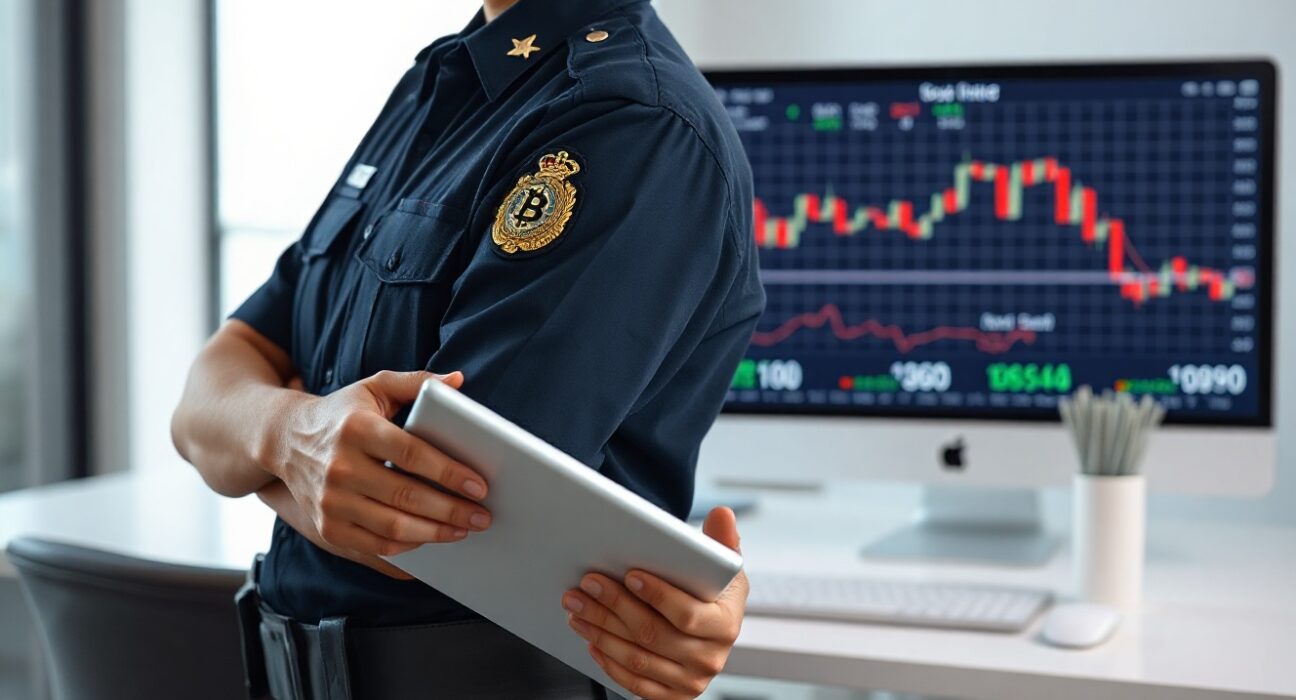
South Korean police have referred 15 individuals to prosecutors without detention, charging them with involvement in drug trafficking and laundering criminal proceeds. The case emerged from an investigation into an unregistered virtual-asset brokerage, according to a Yonhap report on Aug. 10.
The Daegu Seongseo Police Station said its investigation uncovered a structured operation where members received drug payments via Telegram, converted the funds into Bitcoin, and transferred them to higher-level operators. Couriers then delivered drugs to buyers using dead-drop methods, a common tactic to avoid direct contact.
How the Operation Worked
Police detailed a layered scheme: lower-level members handled communication with buyers on Telegram, collected payments in cryptocurrency, and laundered the proceeds by converting them into Bitcoin. The funds were then passed up the chain, while separate couriers placed drugs in pre-arranged locations for buyers to pick up, minimizing physical interaction.
The investigation began as part of a broader crackdown on unregistered virtual-asset brokerages in South Korea, which have become a conduit for illicit financial flows. Authorities have been increasing scrutiny on crypto platforms that operate without proper licensing, as they often facilitate money laundering and other financial crimes.
Regulatory and Legal Implications
This case highlights ongoing challenges for South Korean regulators, who have been tightening rules around cryptocurrency trading and virtual asset service providers. Under the Specific Financial Information Act, unregistered crypto businesses face criminal penalties, and authorities have been actively pursuing operators who bypass compliance requirements.
The use of Telegram and dead-drop methods reflects a broader trend in drug trafficking, where encrypted messaging apps and physical anonymity are leveraged to evade law enforcement. South Korean police have been adapting their investigative techniques, including blockchain analysis and digital forensics, to trace crypto transactions and dismantle such networks.
Why This Matters
For readers, this story underscores the intersection of cryptocurrency and criminal activity, as well as the legal risks associated with unregistered trading platforms. It also illustrates how law enforcement is evolving to address tech-enabled crimes, which has implications for the broader crypto industry in South Korea and beyond.
The case is a reminder that while blockchain offers transparency, criminals still find ways to exploit gaps in regulation and anonymity tools. As authorities improve their capabilities, the crypto ecosystem may see increased scrutiny and compliance demands.
Conclusion
The referral of 15 suspects marks a significant step in dismantling a drug ring that used Telegram and Bitcoin to operate. It also signals a firm regulatory stance against unregistered virtual-asset brokerages, which are increasingly seen as enablers of financial crime. As investigations continue, more details may emerge about the scale of the operation and its connections.
FAQs
Q1: What is a dead-drop method in drug trafficking?
It is a technique where drugs are left in a hidden location, such as a public space or a specific spot, for the buyer to retrieve later, avoiding direct face-to-face contact between the seller and buyer.
Q2: Why are unregistered virtual-asset brokerages a concern for authorities?
They operate outside regulatory oversight, making them vulnerable to misuse for money laundering, tax evasion, and other financial crimes, as they can bypass anti-money laundering and know-your-customer requirements.
Q3: How do police trace cryptocurrency transactions in such cases?
Police use blockchain analysis tools to follow the flow of funds across the blockchain, identify wallet addresses, and correlate them with exchange records and other digital evidence, often in collaboration with crypto exchanges and international agencies.
Disclaimer: The information provided is not trading advice, Bitcoinworld.co.in holds no liability for any investments made based on the information provided on this page. We strongly recommend independent research and/or consultation with a qualified professional before making any investment decisions.
