
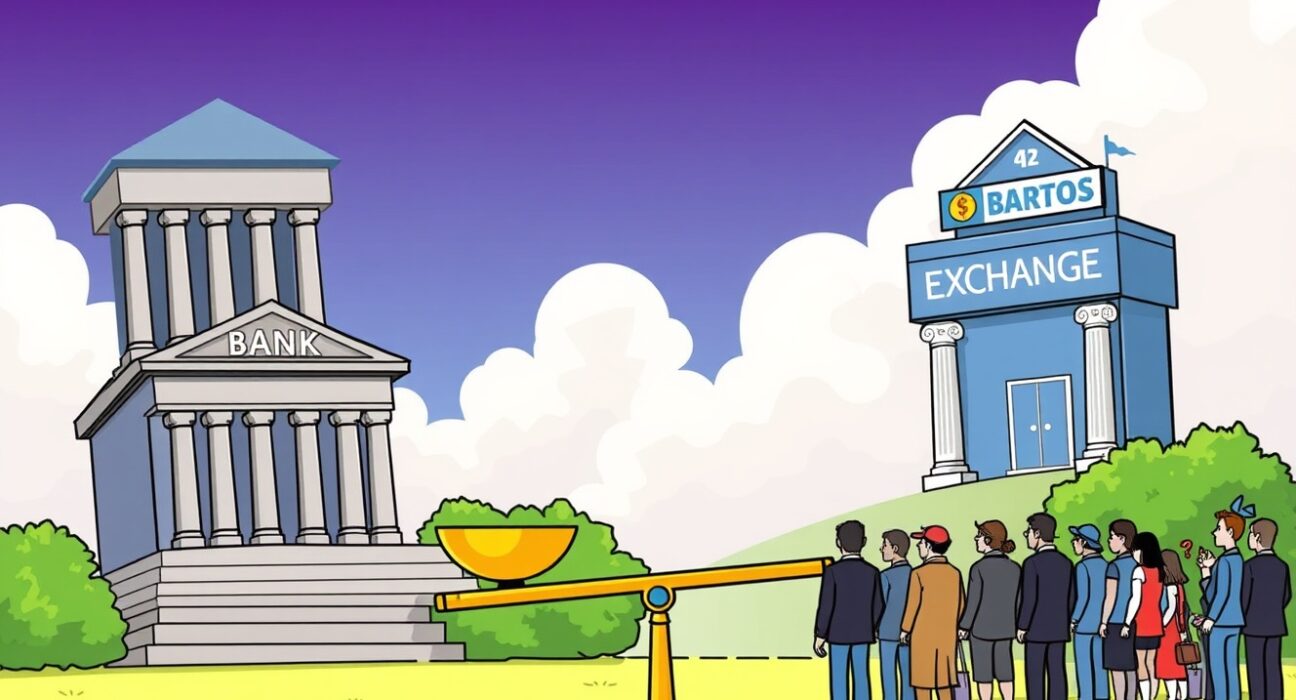
The cryptocurrency world is buzzing with significant news from South Korea! Financial authorities are currently engaged in a pivotal discussion about potentially easing the country’s existing South Korean crypto rule, specifically the ‘one exchange, one bank’ policy. This reassessment could dramatically reshape the nation’s digital asset landscape, fostering greater competition and innovation.
Understanding the South Korean Crypto Rule: ‘One Exchange, One Bank’
For some time, South Korea has operated under a strict ‘one exchange, one bank’ policy. This means that each crypto exchange could only partner with a single commercial bank for real-name accounts.
Initially, this South Korean crypto rule aimed to strengthen anti-money laundering (AML) efforts. Banks were tasked with assisting crypto exchanges in meeting their stringent AML obligations, providing a layer of oversight.
However, as the global crypto market evolves rapidly, this policy has drawn increasing scrutiny. Many believe it inadvertently reinforces monopolies, hindering the free market and stifling innovation.
Why Are Regulators Rethinking This Crucial Policy?
The Financial Intelligence Unit (FIU) is spearheading this reevaluation. Park Joo-young, director of the Planning and Administration Office at the FIU, highlighted the reasons behind this crucial reassessment during a recent event.
- Global Competition: South Korea aims to remain competitive in the fast-paced global crypto market. The current rule might be putting local exchanges at a disadvantage.
- Public Concerns: There are growing public and industry concerns that the policy limits market entry and reinforces the dominance of a few large players.
- Balancing Act: Regulators face the delicate task of balancing effective money laundering prevention with the principles of free-market competition.
The authorities are actively gathering feedback from all stakeholders. This includes both banks and crypto exchanges, whose opinions are understandably divided on the future of the South Korean crypto rule.
What Challenges and Opportunities Lie Ahead?
Easing the ‘one exchange, one bank’ South Korean crypto rule presents both opportunities and challenges. On one hand, it could unlock significant benefits for the market:
- Increased Competition: More banks could partner with exchanges, leading to a more dynamic and competitive trading environment.
- Innovation Boost: New exchanges and services might emerge, fostering greater innovation in product offerings and user experience.
- Consumer Choice: Users could benefit from more diverse options and potentially lower fees as exchanges vie for business.
On the other hand, regulators must carefully navigate potential pitfalls. Ensuring robust AML measures remain in place is paramount. Any changes must include new safeguards to prevent excessive concentration of power and mitigate risks associated with financial crime.
The process involves intricate discussions and a thorough understanding of market dynamics and potential regulatory gaps.
What Does This Mean for South Korea’s Crypto Future?
The outcome of this regulatory reassessment will have profound implications for South Korea’s position in the global crypto economy. A thoughtful and balanced approach could solidify the nation’s reputation as a forward-thinking hub for digital assets.
This potential shift signals a move towards a more mature and adaptable regulatory framework. It acknowledges that initial safeguards, while well-intentioned, may need adjustments to keep pace with an evolving industry.
The ongoing dialogue between regulators, banks, and exchanges is a healthy sign. It demonstrates a commitment to fostering a secure yet competitive environment for crypto trading in South Korea.
The reevaluation of the ‘one exchange, one bank’ South Korean crypto rule marks a significant moment for the country’s digital asset market. By carefully weighing the need for strong anti-money laundering measures against the desire for a competitive, innovative market, South Korean regulators are striving for a framework that benefits both consumers and the industry. The world will be watching closely as this crucial policy evolves, potentially setting a new standard for crypto regulation globally.
Frequently Asked Questions (FAQs)
What is the ‘one exchange, one bank’ rule in South Korea?
The ‘one exchange, one bank’ rule is a regulatory policy in South Korea that historically required each cryptocurrency exchange to partner with only one commercial bank for managing real-name accounts for its users.
Why was this South Korean crypto rule originally implemented?
The rule was initially put in place to enhance anti-money laundering (AML) efforts. It aimed to have banks assist crypto exchanges in fulfilling their AML obligations, providing a layer of oversight for transactions.
Why are South Korean regulators considering easing this rule now?
Regulators are reassessing the rule due to concerns that it may be reinforcing monopolies and hindering free-market competition amid fierce global competition in the crypto sector. They seek to balance effective AML with market dynamism.
What are the potential benefits of easing the ‘one exchange, one bank’ policy?
Easing the rule could lead to increased competition among exchanges, foster greater innovation in crypto products and services, and offer consumers more choice and potentially better trading conditions.
What challenges might arise from changing the South Korean crypto rule?
The primary challenge involves ensuring that easing the rule does not compromise anti-money laundering efforts or introduce new risks of financial crime. Regulators must implement new safeguards to maintain market integrity.
How will the industry’s feedback influence the decision?
Regulators are actively gathering feedback from both banks and crypto exchanges. Their diverse opinions will be carefully considered to inform a balanced decision that addresses market needs while upholding regulatory standards.
Did you find this article insightful? Share your thoughts on the future of the South Korean crypto rule and its potential impact on social media! Let’s continue the conversation.
To learn more about the latest crypto market trends, explore our article on key developments shaping global crypto regulation and institutional adoption.
Disclaimer: The information provided is not trading advice, Bitcoinworld.co.in holds no liability for any investments made based on the information provided on this page. We strongly recommend independent research and/or consultation with a qualified professional before making any investment decisions.