

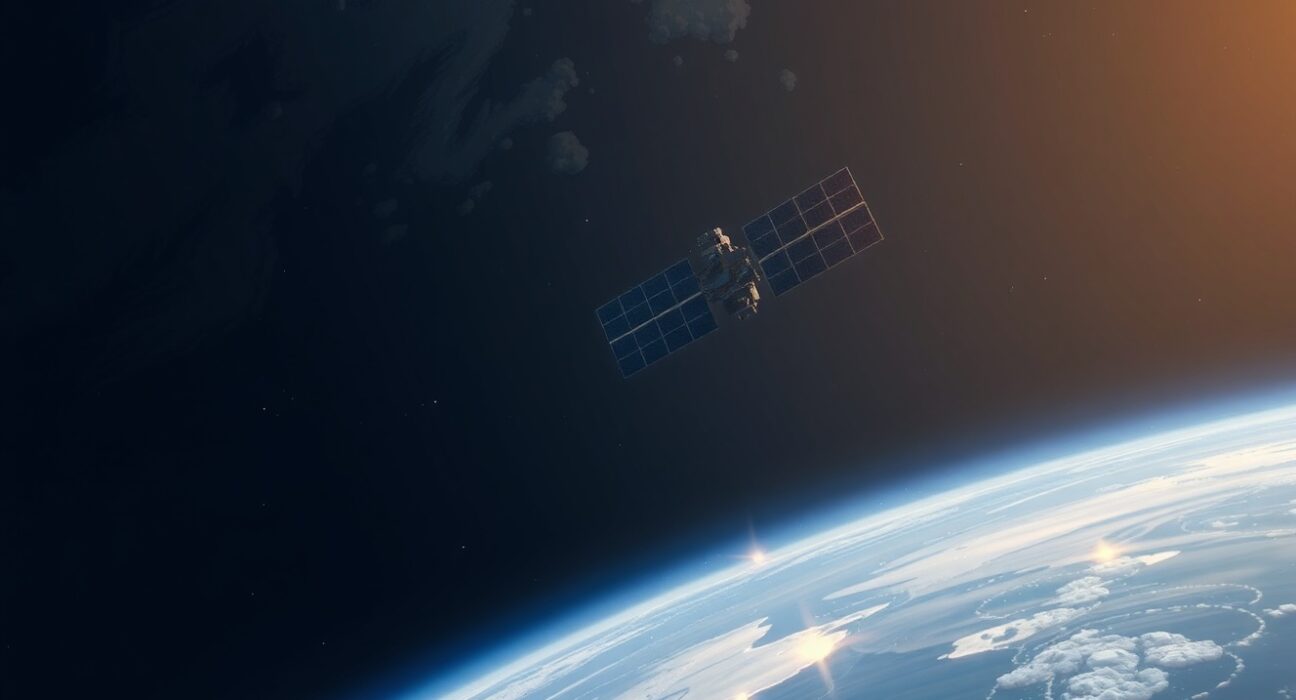
In a significant development for blockchain and telecommunications, the SpaceCoin project has officially unveiled the economic model for its SPACE token, setting the stage for its Token Generation Event (TGE) on January 23. This announcement provides the first comprehensive look at how the ambitious decentralized satellite network intends to function and grow, marking a pivotal step toward blending orbital infrastructure with decentralized finance. The project’s roadmap now includes confirmed exchange listings and reveals a long-term vision targeting substantial annual revenue by the end of the decade.
Decoding the SPACE Tokenomics and Supply Structure
SpaceCoin has established a definitive framework for its native SPACE token. Consequently, the project has capped the total token supply at 21 billion units. This specific figure often draws deliberate comparison to Bitcoin’s hard cap, potentially signaling a focus on digital scarcity within the network’s ecosystem. At the Token Generation Event, the initial circulating supply will represent approximately 10.25% of the total, equating to roughly 2.15 billion SPACE tokens entering the market. This controlled initial release is a common strategy to manage early volatility and align long-term incentives.
Furthermore, the project has confirmed immediate plans for liquidity provision. Listings are scheduled on both centralized and decentralized exchanges. Major platforms like Binance Alpha and OKX are named for centralized trading, while decentralized exchanges (DEXs) will offer non-custodial alternatives. This dual-listing approach typically ensures broader access and enhances price discovery for a new digital asset from its inception.
The Network’s Economic Engine: Payments and Coordination
The SPACE token is fundamentally designed as the network’s payment and coordination layer. Essentially, it will facilitate all transactions within the SpaceCoin ecosystem. Satellite operators, for instance, can monetize unused communication bandwidth by providing it to the network and earning SPACE tokens as rewards. Additionally, network participation for certain validation or governance roles will require token staking. This mechanism secures the network and aligns participant incentives with its overall health and growth.
Industry analysts often compare such models to established decentralized physical infrastructure networks (DePIN). “The tokenomics reveal a classic DePIN flywheel,” explains a report from CryptoNetwork Insights, a research firm tracking infrastructure blockchains. “Rewards incentivize hardware deployment—satellites in this case—which increases network utility and demand for the token, theoretically creating a virtuous cycle of growth.” SpaceCoin’s model directly applies this principle to the capital-intensive satellite communications sector.
Ambition and Context: The $1 Billion Revenue Goal by 2031
Beyond the technical token details, SpaceCoin has set a strikingly ambitious long-term financial target. The project aims to achieve $1 billion in annual revenue by 2031. This goal provides critical context for the scale of adoption and network usage the team envisions. To understand this ambition, one must consider the broader market. The global satellite communication market is projected to reach values in the tens of billions annually within this timeframe, according to analysis from firms like Northern Sky Research.
Therefore, SpaceCoin’s target implies capturing a single-digit percentage share of a vast and growing market. The path to this revenue would likely involve millions of end-users or enterprise clients purchasing bandwidth or data services using SPACE tokens. The project’s success hinges not only on its blockchain technology but also on the real-world deployment and reliability of its proposed satellite network—a significant engineering and logistical challenge.
Technical and Market Precedents in Satellite Blockchain Projects
SpaceCoin enters a niche but emerging field. Previously, projects like Blockstream Satellite have demonstrated the feasibility of broadcasting blockchain data via orbital assets. However, SpaceCoin’s model appears more comprehensive. It aims not just to broadcast data but to create a transactional marketplace for communication resources themselves. This approach is more akin to a decentralized version of existing satellite internet providers, but one governed and transacted via a native cryptocurrency.
The January 23 TGE date places SpaceCoin’s launch in a historically active period for cryptocurrency projects. Market participants often watch early trading metrics, such as liquidity depth and token distribution, as initial indicators of project health. The defined tokenomics and exchange strategy provide a clearer framework for this evaluation compared to projects that launch with less transparency.
Potential Impacts and Future Network Development
The successful deployment of a token-incentivized satellite network could have several tangible impacts. Firstly, it could increase competition in remote connectivity markets, potentially lowering costs for users in underserved areas. Secondly, it creates a novel asset class: tokenized exposure to orbital infrastructure and its revenue streams. Finally, it tests the scalability of blockchain systems in coordinating complex, physical hardware deployments across the globe—and beyond it.
Moving forward, key milestones to monitor after the TGE will include the actual onboarding of satellite operator partners, the rollout of user-facing services, and the growth of the staking ecosystem. The token’s utility will be proven only as these real-world components come online. The 21 billion token supply will gradually enter circulation according to the project’s emission schedule, which will be a critical factor in long-term token valuation and network security.
Conclusion
The unveiling of SpaceCoin’s SPACE tokenomics provides a crucial blueprint for one of the most ambitious blockchain projects of the year. By detailing a 21-billion token supply, a January 23 TGE, and a clear utility for payments and coordination, the project moves from concept toward a tangible economic system. Its success will ultimately depend on executing its technical vision and attracting real-world usage to support its $1 billion revenue ambition. The upcoming token generation event will be the first major test of market confidence in this unique fusion of satellite technology and decentralized cryptocurrency.
FAQs
Q1: What is the total supply of SPACE tokens?
The total supply of SPACE tokens is permanently capped at 21 billion.
Q2: When is the SPACE Token Generation Event (TGE)?
The Token Generation Event for SPACE is scheduled for January 23.
Q3: What is the primary use case for the SPACE token?
The SPACE token serves as the payment and coordination layer for the SpaceCoin network, used to reward satellite operators and for staking to participate in network functions.
Q4: Which exchanges will list the SPACE token?
Planned listings include centralized exchanges Binance Alpha and OKX, as well as various decentralized exchanges (DEXs).
Q5: What is SpaceCoin’s long-term revenue goal?
SpaceCoin has set a goal of achieving $1 billion in annual revenue by the year 2031.
Disclaimer: The information provided is not trading advice, Bitcoinworld.co.in holds no liability for any investments made based on the information provided on this page. We strongly recommend independent research and/or consultation with a qualified professional before making any investment decisions.