

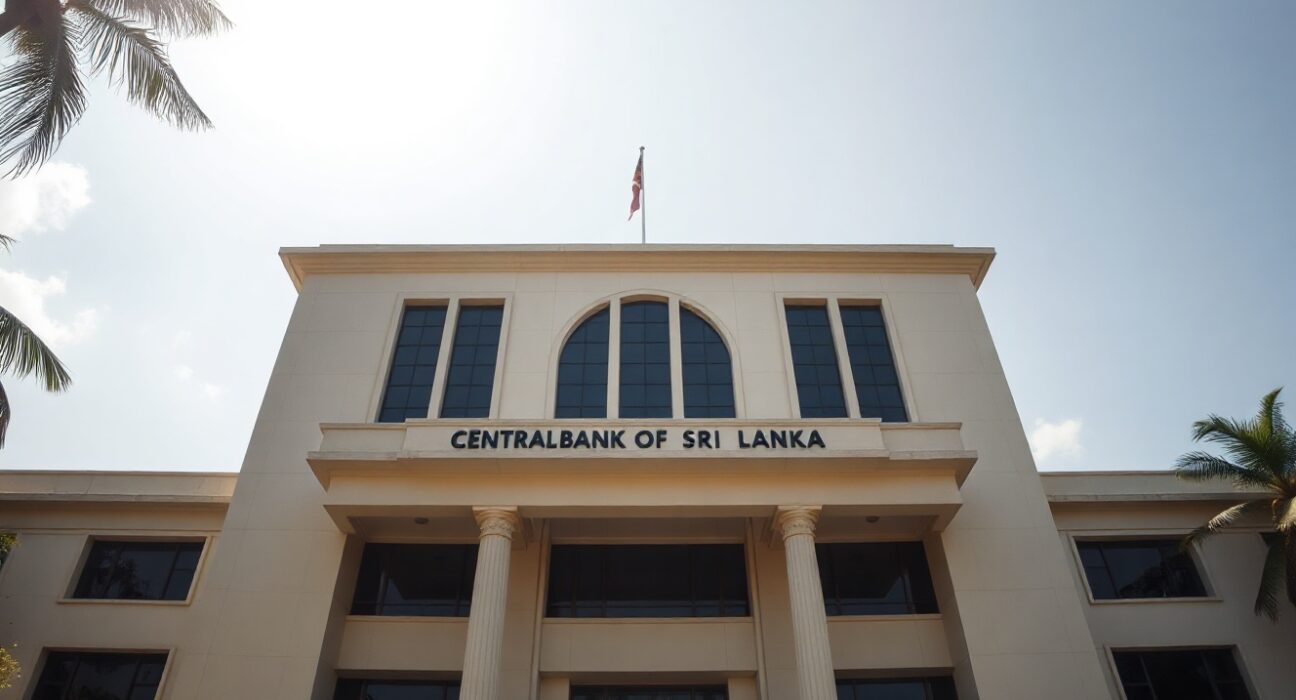
Standard Chartered has identified Sri Lanka’s ongoing monetary policy tightening as a key factor providing support to the nation’s currency, the Rupee. In a recent assessment, the bank highlighted that the Central Bank of Sri Lanka’s (CBSL) measures to curb inflation and stabilize the economy are contributing to a more favorable outlook for the Rupee.
Policy Tightening and Its Impact on the Rupee
The CBSL has maintained a restrictive monetary policy stance throughout 2024 and into early 2025, raising policy rates and tightening liquidity to combat persistent inflationary pressures. Standard Chartered analysts note that these actions have helped to reduce excess demand in the economy, improve the balance of payments, and attract foreign capital inflows. As a result, the Rupee has shown relative stability against the US Dollar, contrasting with the volatility seen in other emerging market currencies.
The bank’s report emphasizes that the policy tightening is not just a short-term fix but part of a broader macroeconomic adjustment program supported by the International Monetary Fund (IMF). The credibility of this program has been instrumental in restoring investor confidence and easing pressure on the currency.
Context and Broader Economic Implications
Sri Lanka’s economy has been navigating a challenging recovery from the 2022 sovereign default and subsequent crisis. The Rupee had depreciated sharply during the peak of the crisis, losing over 80% of its value against the dollar. However, since mid-2023, the currency has staged a notable recovery, supported by stronger remittances, a recovery in tourism, and the policy measures now highlighted by Standard Chartered.
For the average Sri Lankan, a stable Rupee translates into lower import costs for essential goods like fuel, food, and medicine, helping to ease the cost-of-living crisis. For businesses, it provides a more predictable environment for planning and investment. However, the bank also cautions that the Rupee’s stability is contingent on continued policy discipline and external factors such as global commodity prices and demand for Sri Lankan exports.
What This Means for Investors and Markets
From an investment perspective, Standard Chartered’s analysis suggests that Sri Lankan Rupee-denominated assets, such as government bonds, have become more attractive. The combination of high real interest rates and a more stable currency offers a compelling carry trade opportunity for foreign investors. This inflow of capital further supports the Rupee, creating a positive feedback loop.
Nevertheless, risks remain. The global economic environment, particularly the pace of US interest rate cuts and geopolitical tensions, could alter capital flows to emerging markets. Domestically, any deviation from the IMF program or a resurgence of political instability could quickly reverse the gains.
Conclusion
Standard Chartered’s assessment reinforces the view that Sri Lanka’s determined policy tightening is a cornerstone of the Rupee’s recent stability. While challenges persist, the combination of credible monetary policy, IMF support, and improving macroeconomic fundamentals provides a solid foundation for the currency. The coming months will be critical to see if these gains can be sustained amid global and domestic headwinds.
FAQs
Q1: How does policy tightening support a currency?
When a central bank raises interest rates, it makes holding that currency more attractive to foreign investors, who seek higher returns. This increased demand for the currency can strengthen or stabilize its value. Additionally, tighter policy reduces inflation, which preserves the currency’s purchasing power.
Q2: Is the Sri Lankan Rupee expected to strengthen further?
Standard Chartered’s analysis suggests the Rupee is currently supported, but significant further appreciation may be limited. The currency’s trajectory will depend on continued policy adherence, global market conditions, and the pace of economic recovery. Most forecasts see a period of stability rather than a strong rally.
Q3: What are the main risks to the Rupee’s stability?
Key risks include a slowdown in the IMF program, political instability ahead of elections, a sharp rise in global oil prices, or a sudden shift in global investor sentiment away from emerging markets. Any of these factors could increase pressure on the Rupee.
Disclaimer: The information provided is not trading advice, Bitcoinworld.co.in holds no liability for any investments made based on the information provided on this page. We strongly recommend independent research and/or consultation with a qualified professional before making any investment decisions.
