


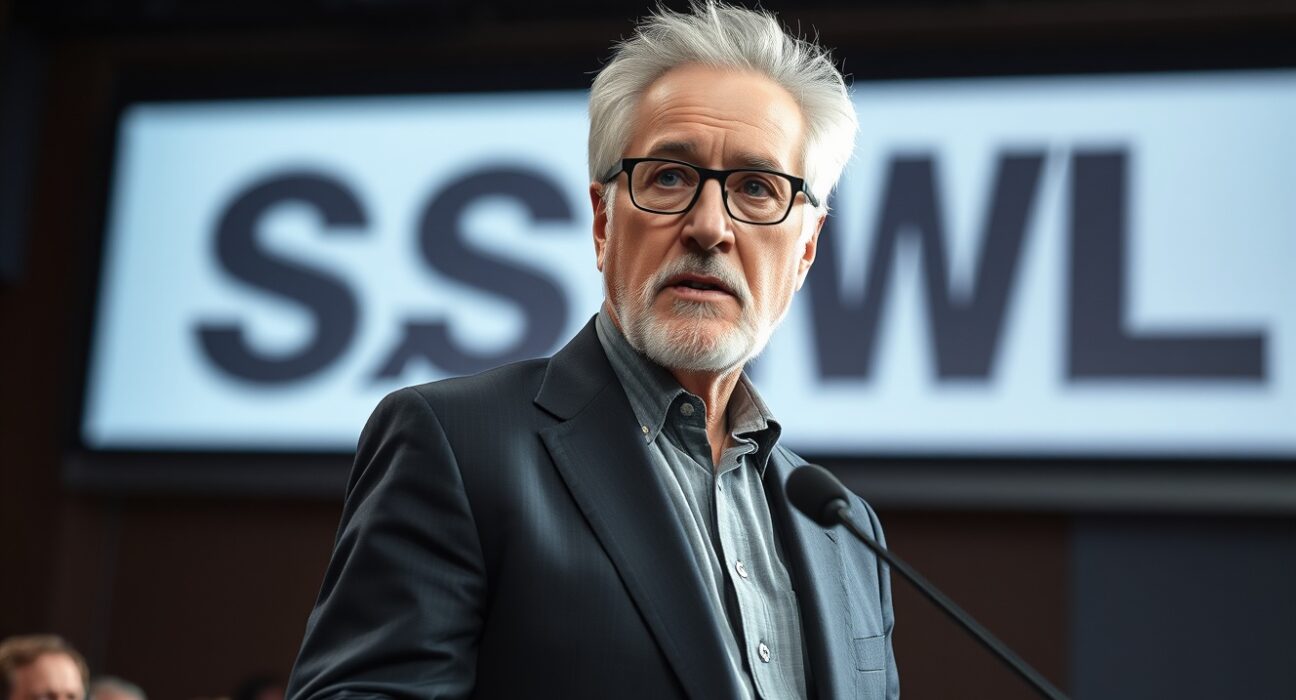
Legendary filmmaker Steven Spielberg made a surprising revelation at the SXSW 2026 conference in Austin, Texas, declaring he has never used artificial intelligence in any of his iconic films, sparking immediate applause and reigniting industry debates about technology’s role in creative processes.
Steven Spielberg’s AI Declaration at SXSW 2026
During a Friday keynote session at the South by Southwest conference, the Oscar-winning director addressed growing industry concerns about artificial intelligence. Spielberg stated clearly, “I’ve never used AI on any of my films yet.” The audience responded with enthusiastic cheers and applause, reflecting widespread sentiment among creative professionals. This declaration comes at a critical moment when major studios increasingly integrate AI tools into production pipelines.
The director behind cinematic landmarks like “Jaws,” “E.T.,” and “Schindler’s List” emphasized his position isn’t anti-technology. Instead, Spielberg clarified his stance focuses specifically on creative replacement. “I am not for AI if it replaces a creative individual,” he told the SXSW audience. His comments carry particular weight given his 50-year career spanning technological revolutions from practical effects to digital filmmaking.
Hollywood’s Growing AI Divide
Spielberg’s position highlights a significant divide within the entertainment industry. While traditional filmmakers express caution, streaming giants and technology companies aggressively pursue AI integration. Recent developments demonstrate this split clearly:

- Netflix’s Acquisition: The streaming service purchased Ben Affleck’s AI filmmaking company for $600 million earlier this month
- Amazon’s Testing: Amazon announced AI tools for film and television production this year
- Independent Filmmakers: AI startups actively pitch resource-constrained indie creators
- Major Studios: Several Hollywood studios quietly implement AI for pre-visualization and editing
This technological shift represents the most significant change since digital replaced film. Industry analysts project AI integration could reduce certain production costs by 30-40% within five years. However, creative professionals express concerns about job displacement and artistic integrity.
Spielberg’s Technological Legacy and Paradox
Ironically, Spielberg’s filmography extensively explores artificial intelligence themes. His 2001 film “A.I. Artificial Intelligence” examined consciousness and machine emotions. “Minority Report” (2002) featured predictive technology, while “Ready Player One” (2018) immersed audiences in virtual reality worlds. This creates a fascinating paradox: a director who imagines AI futures but resists using the technology in his creative process.
Spielberg addressed this apparent contradiction at SXSW. He noted support for AI “in many disciplines” but emphasized his writers’ rooms maintain human-only collaboration. “There’s not an empty chair with a laptop in front of it,” he remarked, rejecting the notion of outsourcing creativity to machines. This philosophy reflects his hands-on approach throughout his career, from storyboarding sequences personally to working closely with composers and editors.
The Practical Implications for Filmmaking
Artificial intelligence currently serves several functions in modern film production. These applications range from script analysis to visual effects generation. The table below illustrates common AI uses versus traditional methods:
| Production Phase | AI Applications | Traditional Methods |
|---|---|---|
| Pre-production | Script analysis, casting suggestions, location scouting | Human reading, casting directors, physical scouting |
| Production | Virtual cinematography, performance capture | Physical cameras, practical effects |
| Post-production | Automated editing, CGI generation, sound design | Editor decisions, manual CGI, foley artists |
| Distribution | Marketing optimization, audience prediction | Focus groups, traditional marketing |
Spielberg’s rejection of these tools represents a conscious artistic choice. Industry veterans note his films consistently emphasize human emotion and practical filmmaking. This approach has produced some of cinema’s most enduring moments, from the mechanical shark in “Jaws” to the puppet-based E.T. character.
Economic and Creative Tensions
The film industry faces mounting pressure to adopt cost-saving technologies. Streaming services particularly seek efficiency as subscription growth slows. AI promises faster turnaround times and reduced labor costs. However, creative professionals argue this comes at artistic expense.
Spielberg’s stance carries economic implications. As one of Hollywood’s most commercially successful directors, his choices influence industry standards. His films have grossed over $10 billion worldwide, demonstrating the financial viability of traditional methods. This success challenges arguments that AI adoption represents economic necessity.
Meanwhile, independent filmmakers face different calculations. Limited budgets make AI tools appealing for small productions. Startups specifically target this market with affordable AI solutions for script writing, storyboarding, and basic visual effects. This creates a tiered system where resource availability determines technological adoption.
The Writer’s Room Philosophy
Spielberg emphasized his commitment to human collaboration in creative spaces. His reference to absent “empty chairs” in writers’ rooms reflects industry concerns about AI-generated content. Recent Writers Guild negotiations specifically addressed AI usage protections. These concerns extend beyond film to television, where AI could potentially generate episode outlines or dialogue.
The director’s philosophy aligns with traditional film school teachings emphasizing human storytelling. This approach values intuition, emotional intelligence, and collaborative chemistry—qualities difficult to replicate algorithmically. Film historians note Spielberg’s methods recall Hollywood’s studio system era, where stable creative teams produced consistent work.
Industry Reactions and Future Projections
Responses to Spielberg’s comments reveal industry divisions. Traditional filmmakers largely applaud his stance, while technology advocates argue for balanced integration. Several factors will determine AI’s film industry future:
- Audience Reception: Viewers may distinguish between AI-assisted and traditionally made films
- Labor Agreements: Union contracts increasingly address AI usage limitations
- Technological Advancements: AI capabilities continue improving rapidly
- Economic Pressures: Production cost inflation drives efficiency seeking
- Generational Shift: Younger filmmakers often embrace new technologies
Industry analysts predict a hybrid future where AI assists without replacing human creativity. This model resembles digital editing’s adoption—initially resisted, eventually integrated while preserving artistic control. However, Spielberg’s position suggests some creators will continue traditional methods regardless of technological availability.
Conclusion
Steven Spielberg’s SXSW 2026 declaration represents a significant moment in film industry evolution. His revelation about never using AI in filmmaking highlights enduring tensions between technological advancement and artistic tradition. As artificial intelligence transforms creative industries, Spielberg’s human-centered approach offers both philosophical resistance and practical demonstration of traditional methods’ continued viability. The enthusiastic audience response suggests many share his concerns about preserving human creativity in an increasingly automated world. This debate will undoubtedly continue as AI capabilities expand and economic pressures intensify across the entertainment landscape.
FAQs
Q1: What exactly did Steven Spielberg say about AI at SXSW?
Steven Spielberg stated, “I’ve never used AI on any of my films yet,” and clarified, “I am not for AI if it replaces a creative individual.” He made these comments during a keynote at SXSW 2026 in Austin, Texas.
Q2: Does Spielberg completely reject all technology in filmmaking?
No, Spielberg isn’t anti-technology generally. He specifically objects to AI replacing human creativity. His films have utilized advanced practical effects, digital technology, and computer-generated imagery while maintaining human creative control.
Q3: How are other major companies approaching AI in film?
Netflix recently acquired an AI filmmaking company for $600 million, Amazon is testing AI production tools, and many studios use AI for pre-visualization and editing. This creates industry division between traditional filmmakers and technology-focused companies.
Q4: What AI applications are common in film production today?
Current applications include script analysis, virtual cinematography, automated editing, CGI generation, performance capture, marketing optimization, and audience prediction algorithms.
Q5: Why does Spielberg’s position matter for the industry?
As one of Hollywood’s most successful and influential directors, Spielberg’s choices affect industry standards. His traditional approach demonstrates the continued commercial viability of human-centered filmmaking amid growing AI adoption pressures.
Disclaimer: The information provided is not trading advice, Bitcoinworld.co.in holds no liability for any investments made based on the information provided on this page. We strongly recommend independent research and/or consultation with a qualified professional before making any investment decisions.