
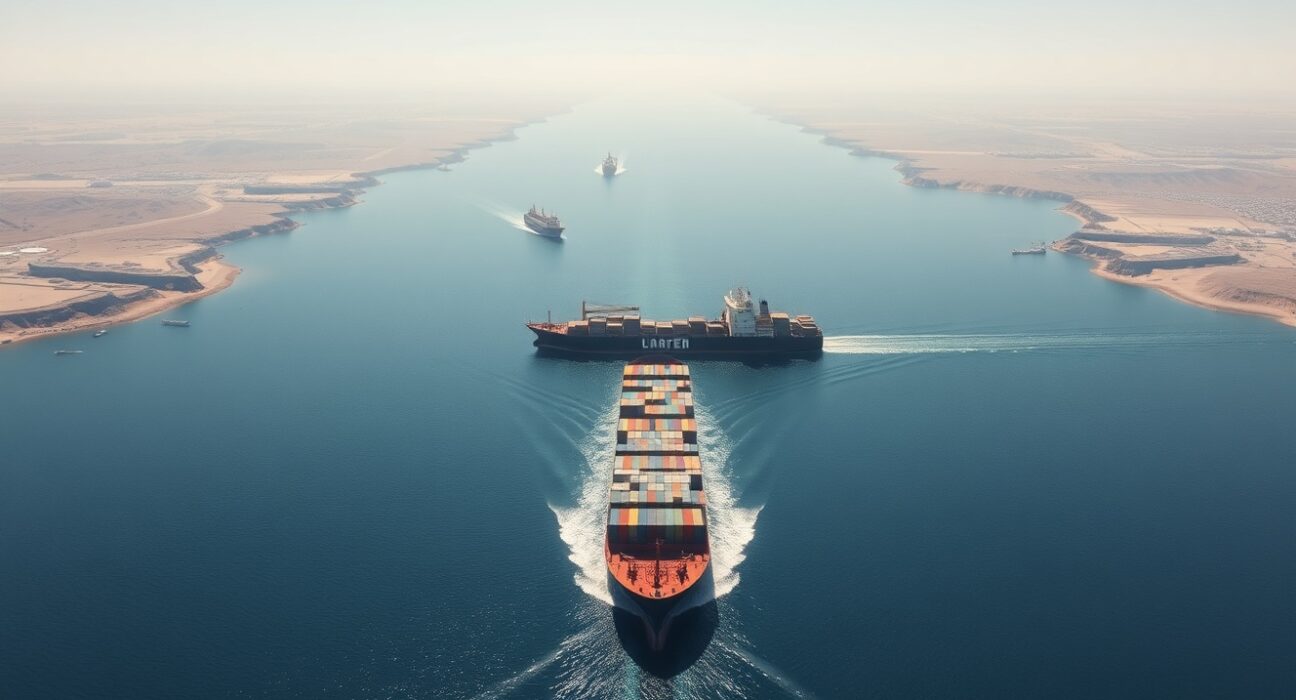
WASHINGTON, D.C. — Former U.S. President Donald Trump declared on social media today that resolving shipping congestion in the Strait of Hormuz could generate vast wealth and initiate a “golden age for the Middle East,” sparking immediate analysis about regional economic transformation and global trade implications for 2025.
Strait of Hormuz Wealth Creation Proposal
Trump’s statement outlines a comprehensive vision for the strategic waterway. He specifically mentioned that the United States would help resolve shipping congestion through direct involvement. Furthermore, the former president emphasized that Iran could begin a significant rebuilding process with American support. The proposal includes maintaining a U.S. presence to transport goods and ensure smooth maritime operations throughout the region.
Maritime experts immediately noted the significance of this announcement. The Strait of Hormuz represents approximately 21% of global petroleum consumption transit daily. Consequently, any improvement in efficiency could substantially impact energy markets worldwide. Shipping analysts have documented increasing congestion issues over the past three years, primarily due to regional tensions and infrastructure limitations.
Regional Economic Implications and Responses
Meanwhile, U.S. media reported yesterday about potential toll collection arrangements. Specifically, Iran and Oman might establish a joint mechanism for passage fees through the strait. However, Iranian authorities have not officially confirmed these reports as of publication time. Regional governments typically coordinate such matters through the International Maritime Organization framework.
The economic implications extend beyond simple toll collection. A more efficient Strait of Hormuz could reduce shipping times between Asia and Europe by up to 14%. Additionally, insurance premiums for vessels transiting the area might decrease with improved security and predictability. Regional ports from Dubai to Doha would likely experience increased activity and investment.
Historical Context and Strategic Importance
The Strait of Hormuz has served as a critical global trade chokepoint for centuries. Currently, about one-third of the world’s liquefied natural gas passes through this narrow passage. Moreover, nearly 25% of global oil consumption transits these waters annually. Major shipping lanes converge here, connecting producers in the Persian Gulf with markets across Asia, Europe, and North America.
Recent years have seen multiple incidents affecting shipping security. These include tanker seizures, drone attacks, and navigation challenges. Consequently, shipping companies have implemented additional security measures and route adjustments. The average transit time through the strait has increased by approximately 18% since 2022 according to maritime logistics data.
Global Trade and Energy Market Impacts
Trump’s proposal arrives during a period of significant transformation in global energy markets. Renewable energy adoption continues accelerating worldwide. However, fossil fuels still dominate Middle Eastern exports. Therefore, improving Strait of Hormuz efficiency could provide economic stability during this transition period.
The potential wealth creation extends beyond direct shipping revenues. Enhanced maritime infrastructure typically generates secondary economic benefits. These include port development, logistics services, and related industrial activities. Regional employment opportunities might increase substantially with proper implementation of improvement projects.
Technical and Logistical Considerations
Resolving shipping congestion requires addressing multiple technical challenges. The strait’s narrowest point measures just 21 nautical miles wide. Furthermore, the shipping lane itself spans only 2 miles in each direction. Modern container ships and oil tankers require precise navigation through these constrained waters.
Potential solutions include enhanced traffic management systems. Additionally, improved navigational aids and communication infrastructure could increase safety margins. Some proposals suggest creating separate lanes for different vessel types. Others recommend establishing coordinated scheduling systems among major shipping companies.
Political and Diplomatic Dimensions
Any significant change in Strait of Hormuz operations requires international cooperation. Regional powers maintain varying interests in maritime governance. The United Nations Convention on the Law of the Sea provides the primary legal framework. However, specific regional agreements often supplement these international standards.
Trump’s statement references maintaining a U.S. presence for operational support. Historical precedents show mixed results with external powers managing strategic waterways. The Suez Canal and Panama Canal offer contrasting models of international waterway management. Each provides valuable lessons for potential Strait of Hormuz developments.
Environmental and Sustainability Factors
Increased shipping traffic raises important environmental considerations. The Persian Gulf region contains sensitive marine ecosystems. Additionally, coastal communities depend on healthy waterways for fishing and tourism. Therefore, any expansion of maritime activities must include environmental protection measures.
Modern shipping technologies offer potential solutions. Cleaner vessel fuels and improved waste management systems could mitigate environmental impacts. Furthermore, advanced monitoring technologies help track and reduce pollution incidents. International maritime regulations continue evolving to address these concerns comprehensively.
Conclusion
Trump’s vision for Strait of Hormuz wealth creation represents a significant proposal with far-reaching implications. The statement highlights potential economic benefits while acknowledging complex implementation challenges. Regional cooperation and international coordination will determine the proposal’s ultimate feasibility. Global markets will monitor developments closely as Middle Eastern economies consider this potential transformation of their most important maritime corridor.
FAQs
Q1: What percentage of global oil passes through the Strait of Hormuz?
Approximately 21% of global petroleum consumption transits the Strait of Hormuz daily, making it the world’s most important oil chokepoint.
Q2: How wide is the Strait of Hormuz at its narrowest point?
The strait measures just 21 nautical miles wide at its narrowest point, with shipping lanes constrained to 2 miles in each direction for safe navigation.
Q3: What countries border the Strait of Hormuz?
Iran borders the northern shore, while the United Arab Emirates and Oman’s Musandam Peninsula border the southern shore of the strategic waterway.
Q4: How might toll collection work in the Strait of Hormuz?
While unconfirmed, potential toll systems could follow international maritime precedents, possibly involving coordinated collection by bordering nations with revenue sharing mechanisms.
Q5: What are the main challenges to reducing shipping congestion?
Primary challenges include navigational constraints, security concerns, coordination between multiple national authorities, and the need for significant infrastructure investment.
Disclaimer: The information provided is not trading advice, Bitcoinworld.co.in holds no liability for any investments made based on the information provided on this page. We strongly recommend independent research and/or consultation with a qualified professional before making any investment decisions.