

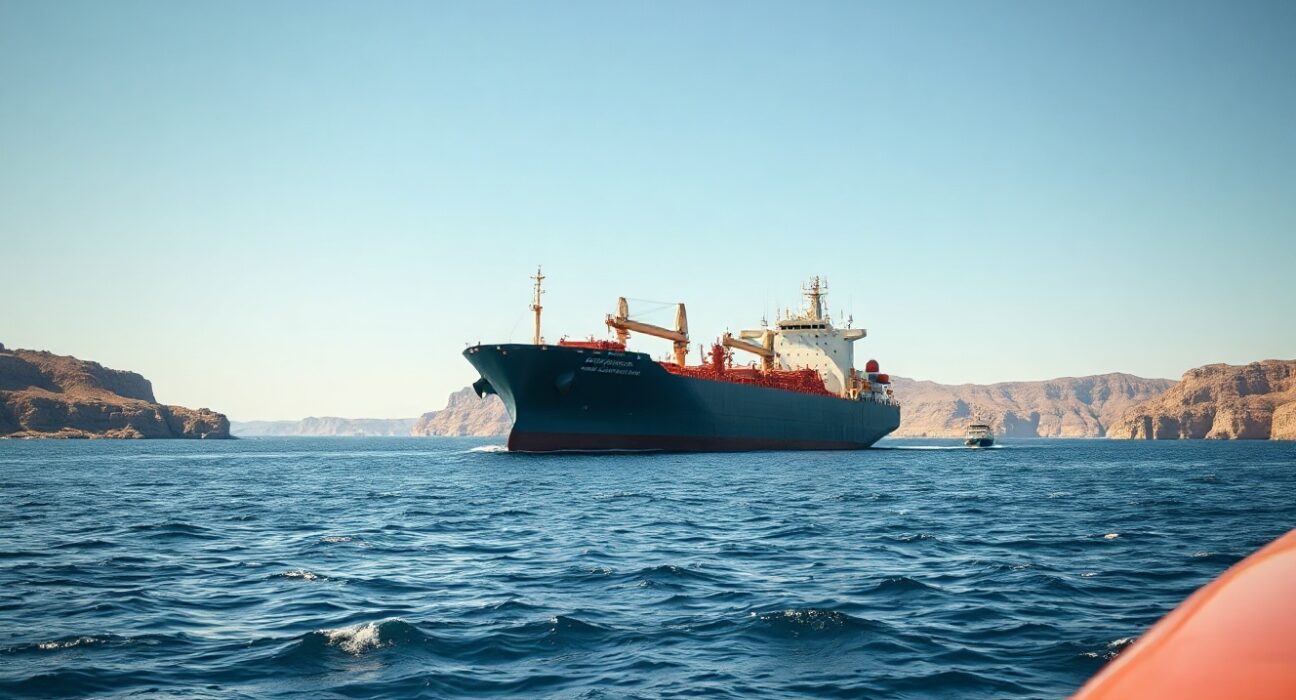
Geopolitical tensions around the Strait of Hormuz have shown signs of easing in recent weeks, yet shipping costs for oil tankers remain elevated, according to a new analysis from Rabobank. The narrow waterway, through which about 20% of the world’s oil passes, has been a focal point for regional instability, but recent diplomatic signals have reduced the immediate risk of disruption.
Risk Assessment Shifts, But Costs Persist
Rabobank’s report highlights that while the probability of a sudden blockade or military incident has declined, the lingering effects of heightened insurance premiums and war risk surcharges continue to push up freight rates. Shipping companies have not yet returned to pre-crisis pricing, as many remain cautious about committing to long-term charters through the region.
The bank’s analysts note that the easing of rhetoric from key regional players has not been matched by a proportional drop in operational costs. This lag is typical in geopolitical risk cycles, where market sentiment adjusts faster than actual insurance and logistics pricing.
Market Implications for Oil Prices
The Strait of Hormuz carries roughly 17 million barrels of oil per day. Any sustained disruption would have immediate and severe consequences for global crude prices. Rabobank’s assessment suggests that while the immediate danger has passed, the market remains vulnerable to sudden shifts in regional stability.
Oil futures have responded to the reduced risk by stabilizing, but analysts warn that the underlying tensions have not been resolved. The shipping fee premium acts as a residual risk indicator, reflecting the market’s expectation that a return to normalcy is not guaranteed.
What This Means for Consumers and Businesses
For end consumers, the elevated shipping costs are likely to be absorbed into refined product prices, particularly in Asia and Europe, which rely heavily on Middle Eastern crude. Businesses in the shipping and logistics sector face continued uncertainty, as insurance renewals and voyage planning remain more expensive than before the recent escalation.
Rabobank’s report underscores that the risk premium embedded in shipping fees will persist until there is a more durable diplomatic resolution. The easing of immediate threats is a positive signal, but the market is pricing in a longer adjustment period.
Conclusion
The Strait of Hormuz remains a critical chokepoint for global energy markets. While the immediate geopolitical risks have diminished, Rabobank’s analysis confirms that shipping fees and insurance costs have not yet normalized. This lag reflects the market’s cautious stance and the unresolved nature of broader regional tensions. For now, the oil supply chain continues to operate under a residual risk premium.
FAQs
Q1: Why are shipping fees still high if Strait of Hormuz risks have eased?
Insurance premiums and war risk surcharges adjust more slowly than market sentiment. Shipping companies are also cautious about committing to long-term routes until there is sustained evidence of stability.
Q2: How much oil passes through the Strait of Hormuz daily?
Approximately 17 million barrels of oil and petroleum products transit the strait each day, accounting for about 20% of global consumption.
Q3: What could cause shipping fees to return to pre-crisis levels?
A sustained period of diplomatic calm, formal security guarantees, and the removal of war risk surcharges by insurers would be needed for fees to normalize. This typically takes months of stable conditions.
Disclaimer: The information provided is not trading advice, Bitcoinworld.co.in holds no liability for any investments made based on the information provided on this page. We strongly recommend independent research and/or consultation with a qualified professional before making any investment decisions.
