
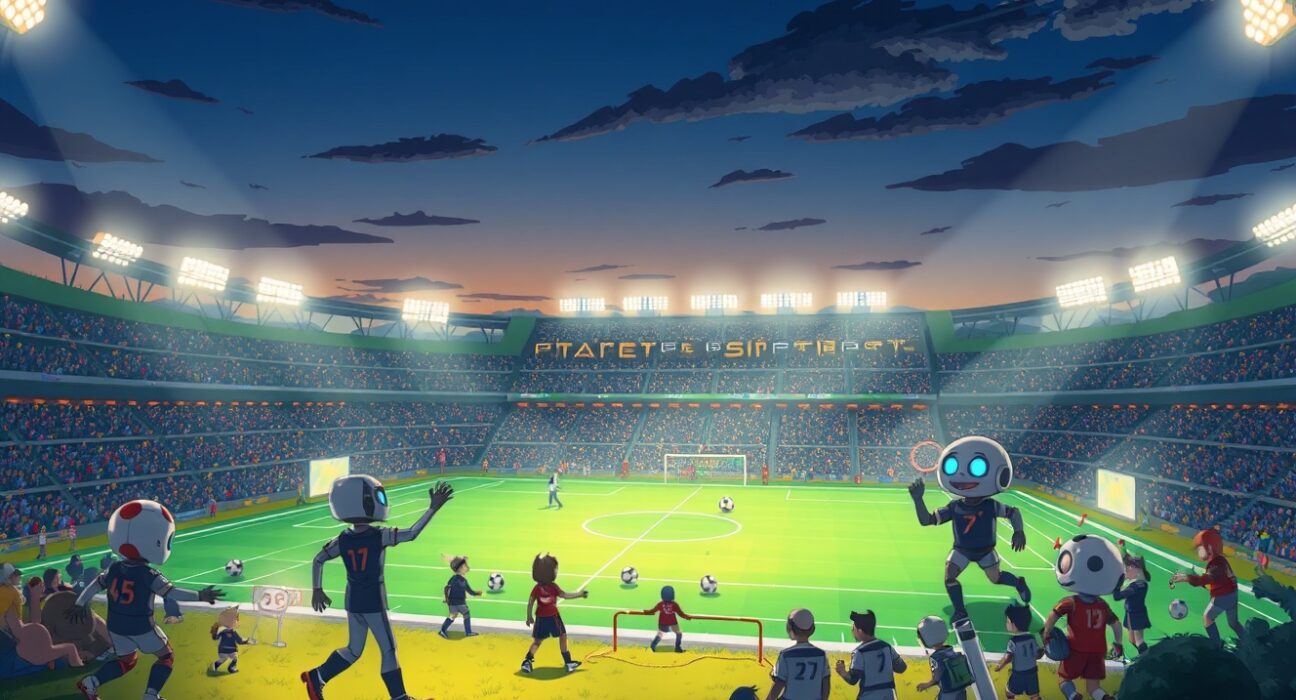
On February 8, 2026, the Super Bowl once again proved it’s the ultimate stage for marketing innovation, as artificial intelligence transitioned from a featured gadget to the central creative engine and product star of multimillion-dollar commercials. Following a year where AI was merely showcased, the 2026 Big Game ads represented a paradigm shift, with major brands like Svedka and Anthropic leveraging the technology both to craft their spots and to promote their latest AI-driven products. This strategic move underscores AI’s evolution from a niche tool to a mainstream marketing powerhouse, fundamentally altering the creative and competitive landscape of advertising’s biggest night.
Super Bowl AI Ads Mark a New Era in Creative Production
The 2026 Super Bowl will be remembered as the moment AI-generated advertising entered the mainstream. Consequently, brands faced immense pressure to innovate. Traditionally, Super Bowl spots are known for high production values, celebrity cameos, and cinematic storytelling. However, this year, a new benchmark emerged: technological audacity. The trend signals a broader industry shift where the method of creation becomes as newsworthy as the ad itself. This development has sparked significant debate within creative circles about the future of jobs in advertising, production, and design.
According to industry analysts, the push for AI in Super Bowl ads is driven by three key factors: the desire for viral buzz around technological novelty, the potential for cost efficiencies in certain production stages, and the alignment of brand identity with innovation. For instance, a report from The Wall Street Journal highlighted that Svedka’s parent company, Sazerac, invested approximately four months in AI training for its ad. This timeline reveals the substantial resources still required for cutting-edge AI production, blending human creative direction with machine execution.
The Svedka Experiment: Dancing Robots and Human Oversight
Svedka Vodka made advertising history with “Shake Your Bots Off,” touted as the first primarily AI-generated national Super Bowl spot. The 30-second ad featured the brand’s iconic Fembot character and a new Brobot companion dancing at a human party. Significantly, the brand was transparent about the collaborative process. While AI handled the complex task of mimicking facial expressions and body movements, human creatives at the agency developed the core storyline and oversaw the project.
The company partnered with AI firm Silverside, known for its controversial work on AI-generated Coca-Cola commercials. This partnership highlights a growing ecosystem of specialized AI creative studios. The ad’s polarizing reception perfectly illustrates the current cultural moment. On one hand, it demonstrates remarkable technical achievement. On the other, it fuels ongoing anxieties about AI displacing creative professions. Regardless of opinion, the campaign successfully generated massive pre- and post-game discussion, achieving a primary goal of Super Bowl marketing: earned media.
Anthropic’s Strategic Jab: Marketing Through Rivalry
While Svedka focused on creation, Anthropic’s ad for its Claude chatbot focused on competitive positioning. The commercial took a direct, humorous jab at OpenAI’s reported plans to introduce advertising within ChatGPT. Its tagline, “Ads are coming to AI. But not to Claude,” framed the product around a principle of user experience rather than just technical features. The spot satirized the potential annoyance of an AI assistant promoting products like “Step Boost Maxx” insoles mid-conversation.
This strategy escalated beyond a standard product pitch into a public relations feud. OpenAI CEO Sam Altman responded on social media, calling the ad “cleverly dishonest.” This exchange generated significant secondary news coverage, effectively multiplying the ad’s impact. The tactic demonstrates how AI companies are now employing classic brand warfare tactics, previously seen in sectors like soda and smartphones, to differentiate themselves in a crowded market. The drama provided a narrative hook that extended the ad’s lifespan in news cycles far beyond the game itself.
Tech Giants Showcase Integrated AI Hardware and Features
Major technology companies used their Super Bowl presence to move AI from the abstract to the tangible, focusing on hardware and practical features. For example, Meta spotlighted its Oakley-branded AI glasses, emphasizing hands-free recording and social media integration for athletes and adventurers. The ad, featuring appearances by IShowSpeed and Spike Lee, presented AI as an enhancement to human experience and capability, not a replacement.
Similarly, Amazon’s ad took a meta, comedic approach. Starring Chris Hemsworth, it satirized common AI anxiety tropes while introducing the enhanced Alexa+. The commercial’s storyline, which humorously depicted Alexa+ plotting against Hemsworth, served to acknowledge public fears while disarming them through humor. Ultimately, it showcased the assistant’s expanded capabilities in smart home management and planning. Meanwhile, Google promoted its Nano Banana Pro image-generation model through a relatable narrative of a family designing their home, and Ring highlighted the real-world utility of its AI-powered “Search Party” feature for finding lost pets.
| Brand | AI Application | Core Message / Angle |
|---|---|---|
| Svedka | Primary ad creation (via Silverside AI) | Technological innovation and brand futurism |
| Anthropic (Claude) | Product promotion & competitive differentiation | Ad-free, superior user experience vs. rivals |
| Meta | Hardware showcase (Oakley AI Glasses) | AI-enhanced lifestyle and content creation |
| Amazon (Alexa+) | Product launch & anxiety addressal | Advanced, helpful intelligence through humor |
| Ring | Feature demonstration (Search Party) | Community-powered, practical AI utility |
The Broader Impact on Advertising and Public Perception
The collective weight of these AI-focused campaigns during the Super Bowl has several immediate implications. Firstly, it legitimizes AI-assisted and AI-generated content as a viable, high-stakes creative pathway. Secondly, it accelerates the public’s familiarity with AI products, moving them from tech news into pop culture. The diverse approaches—from Svedka’s pure-creation play to Anthropic’s competitive roast—also provide a blueprint for how different brands can leverage AI based on their goals.
However, this shift does not come without challenges and criticisms. The reliance on AI sparks continued debate about:
- Creative Authenticity: Can AI truly replicate human creativity and emotional resonance?
- Employment Disruption: What is the future for animators, copywriters, and video editors?
- Transparency: Should brands be required to disclose the use of AI in ad creation?
- Cultural Homogenization: Could widespread AI use lead to less diverse creative outputs?
These questions remain central to the industry’s evolution. The 2026 Super Bowl did not answer them but rather placed them on the national stage for a audience of over 100 million viewers to consider.
Conclusion
The 2026 Super Bowl ads represent a watershed moment for artificial intelligence in marketing. Brands like Svedka and Anthropic made daring plays, using the platform not just to showcase AI but to fundamentally integrate it into their brand narrative and product strategy. From creation to competition, the technology was the undisputed star. These Super Bowl AI ads demonstrate that AI is no longer a speculative future for advertisers but a present-day tool for generating buzz, defining brand position, and connecting with consumers. As the technology continues to evolve, its role in shaping the narratives and visuals of our most-watched cultural events will only deepen, making the 2026 game a crucial case study for the future of advertising.
FAQs
Q1: Which brand had the first AI-generated Super Bowl ad?
Svedka Vodka is credited with the first “primarily” AI-generated national Super Bowl spot titled “Shake Your Bots Off,” created in partnership with Silverside AI.
Q2: What was controversial about Anthropic’s Super Bowl ad?
Anthropic’s ad for Claude directly mocked OpenAI’s potential plans to put ads in ChatGPT, leading to a public rebuttal from OpenAI’s Sam Altman and sparking a feud that generated additional media coverage.
Q3: Did humans still play a role in creating the AI-generated ads?
Yes. For example, Svedka reported that while AI handled animation and movement, human teams were responsible for the storyline, creative direction, and overall project oversight.
Q4: What other types of AI were featured besides ad creation?
Ads showcased AI hardware (Meta’s glasses), AI assistants (Amazon’s Alexa+), AI image generation (Google’s model), and AI-powered utility features (Ring’s pet-finding tool).
Q5: Why is the Super Bowl such a significant venue for AI advertising?
The Super Bowl offers unparalleled reach and cultural attention, making it the ideal stage for brands to signal technological leadership, generate massive buzz, and normalize new technologies like AI for a mainstream audience.
Disclaimer: The information provided is not trading advice, Bitcoinworld.co.in holds no liability for any investments made based on the information provided on this page. We strongly recommend independent research and/or consultation with a qualified professional before making any investment decisions.