
2022-04-25
Are you ready to wear your NFT on your sleeve, literally? Chinese sportswear giant, Li Ning, is making waves by stepping into the.
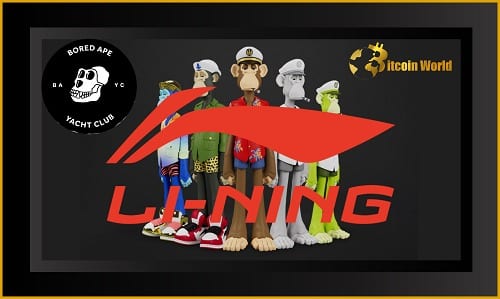
Are you ready to wear your NFT on your sleeve, literally? Chinese sportswear giant, Li Ning, is making waves by stepping into the.
In the ever-evolving world of cryptocurrency and digital finance, China’s Digital Yuan, also known as e-CNY, has been making significant waves. But what.

China is doubling down on its digital currency ambitions! The digital yuan, or e-CNY, is no longer just a pilot project; it’s gearing.
Hold on to your digital collectibles! China’s mega-app WeChat, a platform used by over a billion people, just dropped a bombshell in the.
China’s metaverse landscape is heating up, and Xiamen, a vibrant city in southeastern Fujian province, is making a bold move to become a.
Hey there, crypto enthusiasts and tech-savvy readers! Ever wondered how blockchain technology is moving beyond just cryptocurrencies? Well, buckle up because China is.

Imagine investing your hard-earned money into what seems like a groundbreaking opportunity in the booming world of cryptocurrency, only to discover it’s all.
Hold on to your digital wallets, NFT enthusiasts! The world of Non-Fungible Tokens is constantly evolving, and the latest development comes straight from.
The Metaverse. It’s not just a buzzword anymore; it’s rapidly becoming the next frontier in digital interaction, commerce, and entertainment. Alongside the rise.

China’s annual Two Sessions, a pivotal event on the political calendar, recently concluded amidst a backdrop of economic caution. While the nation set.