

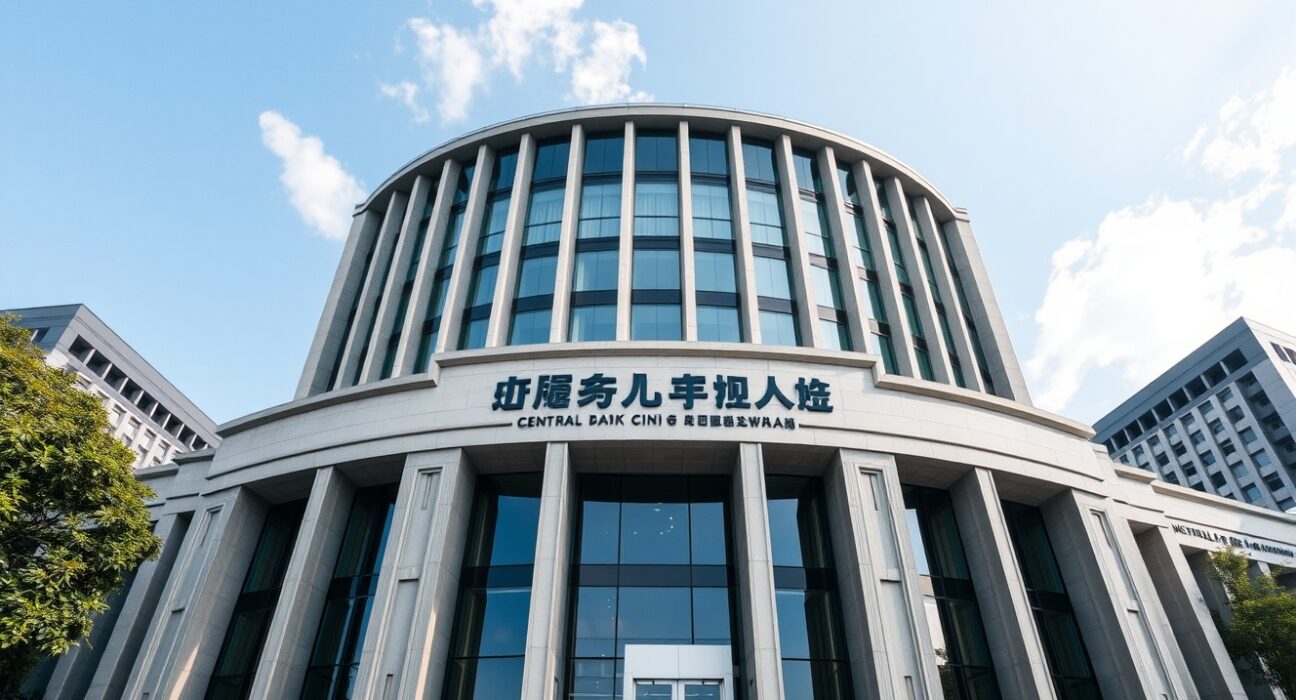
DBS Bank has revised its outlook for Taiwan’s monetary policy, signaling a more measured approach to tightening than previously anticipated. The shift reflects evolving economic conditions and a reassessment of inflationary pressures within the island’s export-driven economy.
Policy Revision Details
DBS analysts now expect the Central Bank of the Republic of China (Taiwan) to follow a “mild tightening path,” with a slower pace of rate increases compared to earlier projections. The revision comes amid signs that domestic inflation may be cooling, while global demand uncertainties weigh on Taiwan’s critical technology sector. The bank’s previous forecast had anticipated more aggressive action to curb price pressures.
Economic Context and Implications
Taiwan’s central bank has historically taken a cautious approach to monetary policy, balancing the need to control inflation with support for economic growth. The technology sector, which accounts for a significant portion of Taiwan’s GDP and exports, faces headwinds from a global slowdown in electronics demand. DBS’s revised view suggests that policymakers may prioritize stability over aggressive tightening, potentially providing some relief to businesses and consumers.
Impact on Investors and Markets
For investors, the revised path implies a potentially more favorable interest rate environment for Taiwanese assets, particularly bonds and equities. A slower tightening cycle could reduce borrowing costs for companies and support corporate earnings. However, currency markets may see continued volatility as the gap between Taiwan’s rates and those in the US narrows. The Taiwanese dollar has already experienced fluctuations against the US dollar amid shifting rate expectations.
Comparison with Regional Peers
DBS’s revision places Taiwan in a broader regional context where several Asian central banks are recalibrating their policy stances. Unlike the US Federal Reserve’s aggressive tightening cycle, many Asian economies, including South Korea and Thailand, have adopted more cautious approaches. Taiwan’s position as a key player in the global semiconductor supply chain adds a layer of complexity, as the central bank must consider both domestic inflation and external demand dynamics.
Conclusion
DBS’s updated forecast underscores a pragmatic shift in expectations for Taiwan’s monetary policy. While inflationary risks remain, the central bank appears likely to proceed with caution, prioritizing economic stability in a challenging global environment. Market participants should monitor upcoming economic data and central bank communications for further signals on the pace and magnitude of future rate adjustments.
FAQs
Q1: What does a ‘mild tightening path’ mean for Taiwan?
A: It means the central bank is expected to raise interest rates at a slower and more gradual pace than previously forecast, reflecting softer inflation and economic uncertainties.
Q2: Why did DBS revise its Taiwan monetary policy forecast?
A: DBS revised its forecast due to cooling domestic inflation and global demand headwinds affecting Taiwan’s technology export sector, prompting a reassessment of the central bank’s likely policy response.
Q3: How might this affect the Taiwanese dollar and stock market?
A: A slower tightening cycle could support Taiwanese equities by reducing corporate borrowing costs, but the currency may face pressure if the rate differential with the US narrows. Market reactions will depend on actual policy moves and economic data.
Disclaimer: The information provided is not trading advice, Bitcoinworld.co.in holds no liability for any investments made based on the information provided on this page. We strongly recommend independent research and/or consultation with a qualified professional before making any investment decisions.
